
What Is a Farinose Leaf? A Mealy Powdery Coating
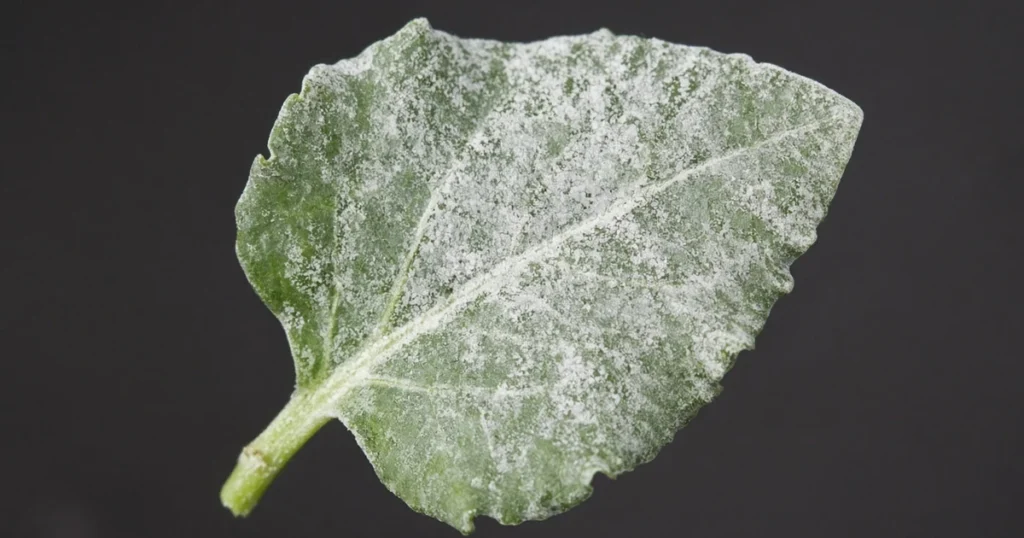
A farinose leaf carries a mealy, flour like coating that the plant makes itself. NC State Extension notes lambsquarters leaves have a white mealy coating produced by tiny hairs, densest on the underside. A related glaucous bloom is a waxy coating that rubs off easily.
The short answer
A farinose leaf has a mealy, flour like coating. NC State Extension notes lambsquarters leaves carry a white mealy coating made by tiny hairs, denser underneath. A glaucous bloom is a grayish, bluish or whitish waxy coating that rubs off easily. Check young leaves, since the hairs thin as leaves mature.
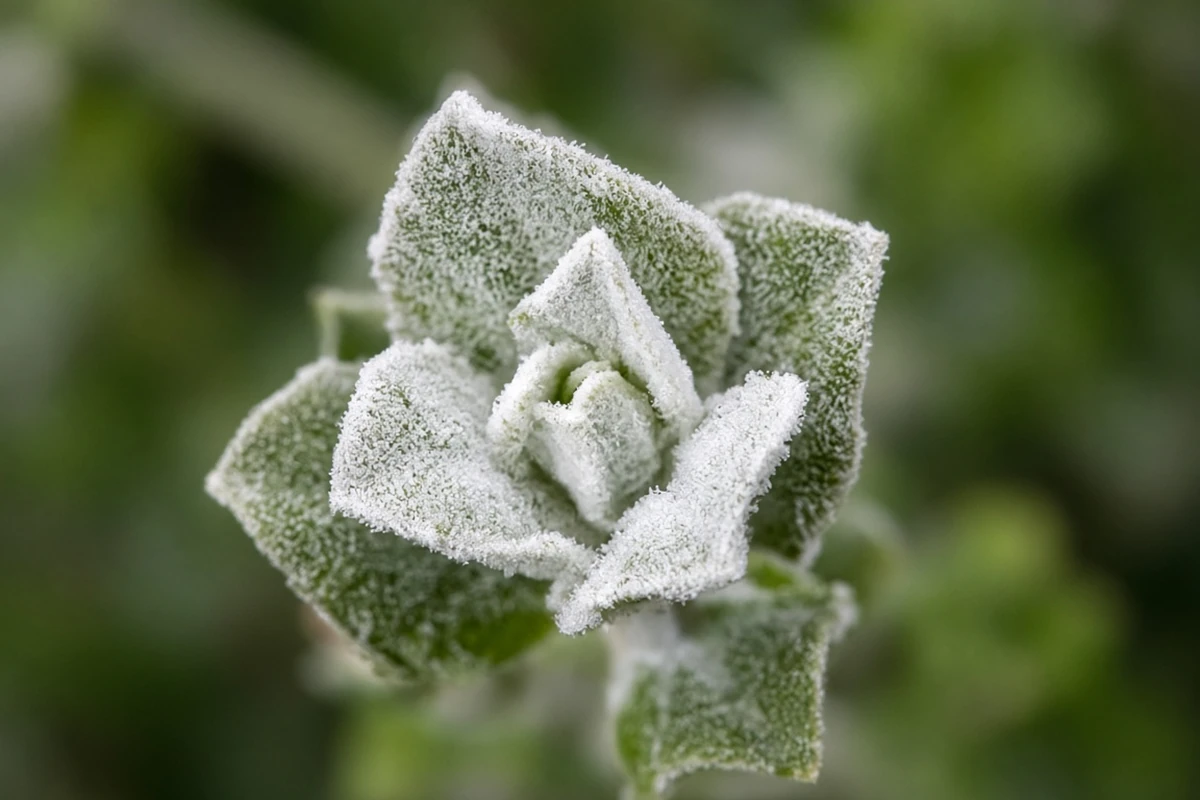
What does farinose mean?
Farinose describes a mealy, flour like coating. NC State Extension notes lambsquarters leaves carry a white mealy coating produced by tiny hairs, denser on the underside.
| Trait | What it looks like | Source |
|---|---|---|
| Mealy coating | White, made by tiny hairs | NC State lambsquarters |
| Glaucous | Grayish, bluish or whitish waxy coating | NC State glossary |
| Powdery bloom | Covers some Echeveria stems | NC State Echeveria |
Source: NC State Extension.
How is farinose different from glaucous?
NC State Extension defines glaucous as a grayish, bluish or whitish waxy coating that is easily rubbed off, as on blue spruce. The lambsquarters coating forms from tiny hairs instead. Both leave a leaf looking pale.
Which plants have farinose leaves?
NC State Extension describes lambsquarters as a summer annual weed with a white mealy coating on its leaves. Some Echeveria show a glaucous bloom plus their stems carry a powdery bloom.
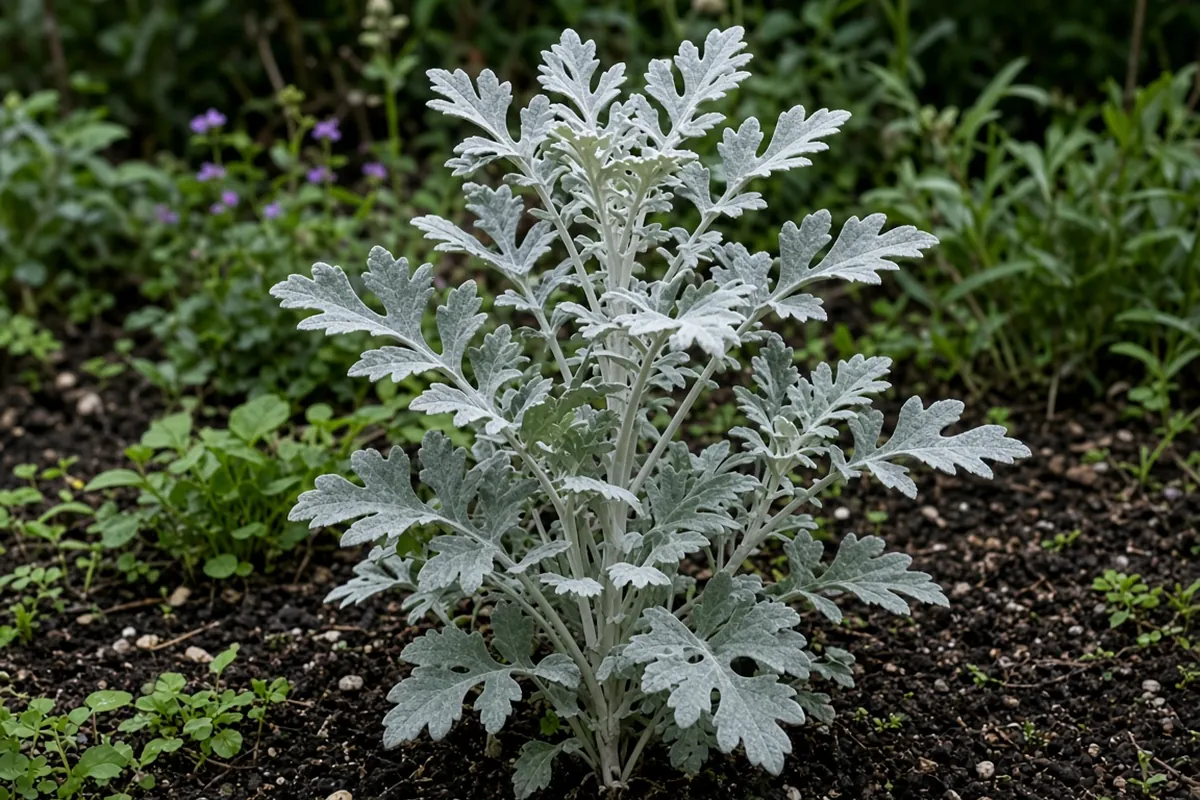
How to: step by step
- Look at young leaves in good light.
- Check for a white or pale mealy coating.
- Turn the leaf over to compare the underside.
- See if the coating is denser underneath.
- Hold leaves by the edges only.
- Check older leaves, which may show less coating.
Troubleshooting
Coating thin on old leaves: hairs thin as leaves mature. Check new growth.
Coating rubbed away: handling. Touch leaves by the edges.
Color seems dull: low light on Echeveria. Move it to full sun.
For more on leaves see cannabis leaf anatomy, pond water for cannabis plus companion plants when growing marijuana. Kind Seed Co also stocks cannabis seeds.
Sources
- Chenopodium album (lambsquarters), NC State Extension Gardener Plant Toolbox
- Extension Gardener Handbook, chapter 3: botany, NC State Extension
- Extension Gardener Handbook glossary, NC State Extension
- Echeveria, NC State Extension Gardener Plant Toolbox
FAQ
Do succulents have farinose leaves?
NC State Extension notes some Echeveria have a glaucous bloom on their leaves plus a powdery bloom on their stems. Glaucous is a waxy coating rather than hairs, but it gives a similar pale look. Echeveria needs little water plus colors up in full sun on a bright windowsill.
Is farina the same as bloom?
They look alike but differ. NC State Extension defines glaucous bloom as a grayish, bluish or whitish waxy coating easily rubbed off. The mealy coating on lambsquarters is produced by tiny hairs instead. Check under a hand lens, since hairs plus wax look different up close.
Does the coating rub off?
A glaucous coating does. NC State Extension notes it is a waxy coating easily rubbed off, as on blue spruce. Handle plants with this bloom by the edges or the pot. The mealy coating on lambsquarters comes from tiny hairs, which thin as leaves mature.
How do you spot lambsquarters by its leaves?
NC State Extension notes the leaves are smooth margined with some teeth along the edge or undulate lobes. They are green, sometimes with pink or purple tints along the margins. They also carry a white mealy coating produced by tiny hairs, denser on the underside.
Why do older leaves look less mealy?
NC State Extension notes the tiny hairs that make the mealy coating on lambsquarters become less dense as leaves mature. Young leaves near the tip show the white coating most clearly. Compare a new leaf with an older one lower on the stem to see the difference.



