
What Is a Sepal? The Outer Flower Parts Explained
The short answer
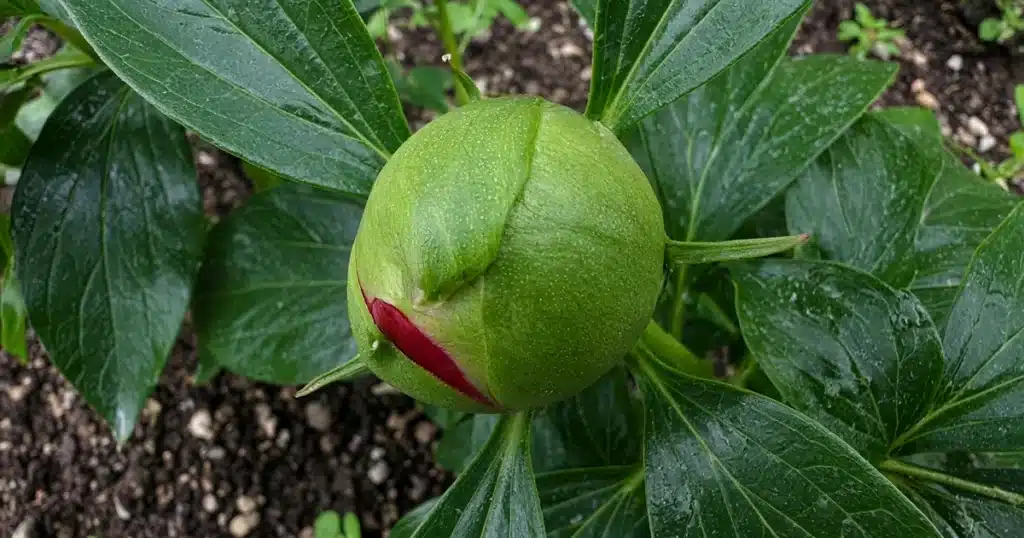
A sepal is one of the leaf like parts that wrap and protect a flower bud before it opens. NC State and Tennessee Extension botany guides say all the sepals together form the calyx. Sepals are often green, but in some plants they are colorful and look like petals. They can stay on as fruit forms.
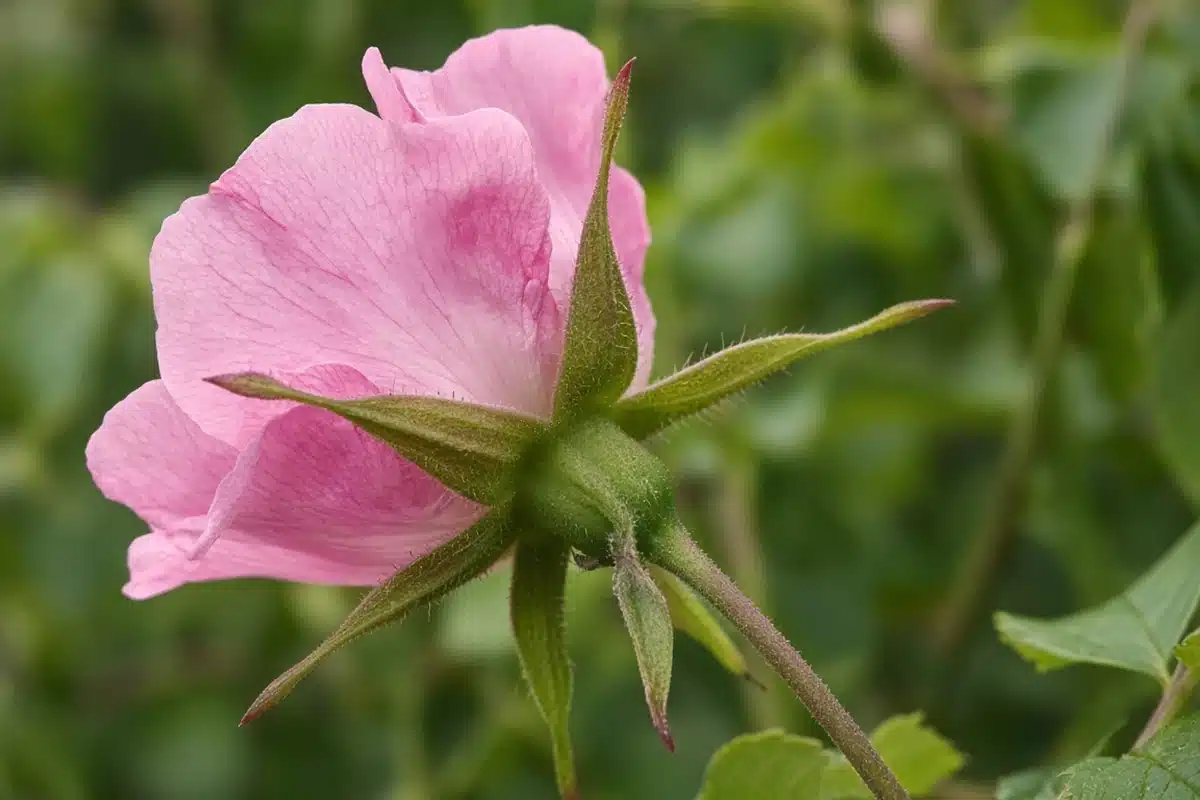
Look closely at a rosebud and you’ll see small green flaps wrapped around it. Those are sepals, easy to overlook but key to how flowers develop.
What is a sepal?
Sepals form the outermost ring of a flower and cover the bud while the inner parts grow.
The NC State Extension Gardener Handbook chapter on botany describes the sepals as the outer flower parts. Inside them sit the petals, then the stamens and the pistil.
Most sepals are green and leaf like, and they carry out some photosynthesis much like small leaves.
As the bud opens, sepals fold back or spread out and often remain at the base of the flower.
Our post on how buds form shows how flower clusters develop.
How do sepals differ from petals?
| Feature | Sepals | Petals |
|---|---|---|
| Position | Outermost ring | Just inside the sepals |
| Usual color | Green | Colorful |
| Main role | Protect the bud | Draw pollinators |
| Group name | Calyx | Corolla |
| Texture | Often firmer, leaf like | Often soft and thin |
| After bloom | Often stay on the fruit | Usually fall away |
Sources: NC State Extension, University of Tennessee Extension, Colorado State University Extension.
The University of Tennessee Master Gardener chapter on basic botany explains how these rings of flower parts fit together.
What is the calyx?
The calyx is all the sepals of one flower together. They may be separate or fused into a cup or tube.
The Colorado State University Extension botany notes describe the calyx and corolla together as the perianth.
In cannabis and some other plants, the word calyx is used loosely for the small structures that surround each flower. Our post on calyx to leaf ratio explains that use.
Can sepals be colored?
Yes. In some plants, sepals look just like petals. Tulips and lilies have three sepals and three petals that match, together called tepals.
Clematis, anemone and hellebore have no true petals. Their showy colored parts are sepals.
Fuchsia has bright sepals that flare out above its petals.
What does a sepal do after bloom?
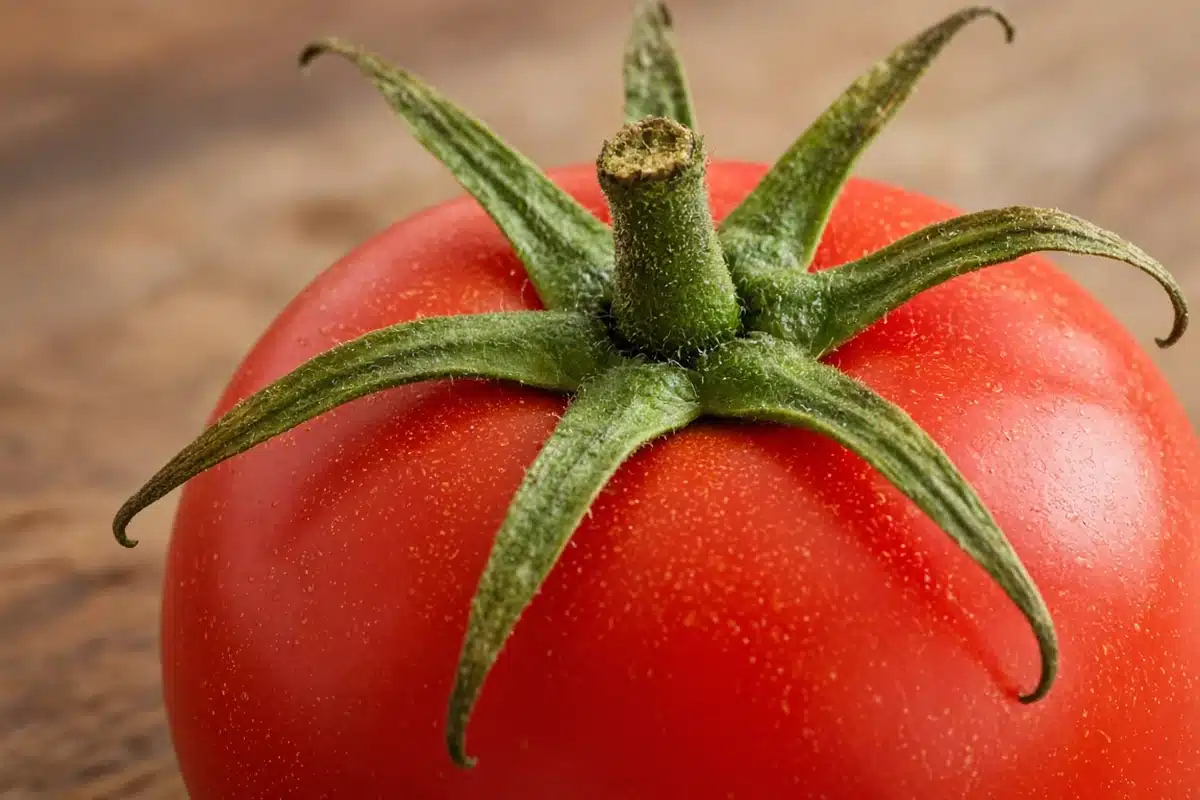
On many plants, sepals stay on as the fruit forms.
The green star on a strawberry is the calyx, and so is the leafy cap on a tomato or eggplant.
The papery husk around a tomatillo or ground cherry is a calyx that grew larger as the fruit formed.
On apples and pears, dried sepals remain at the bottom end of the fruit.
Our post on seed anatomy covers the parts that develop inside fruit.
How to: step by step
- Find a flower bud before it opens.
- Look at the green outer parts.
- Watch the sepals open as the bloom forms.
- Compare sepals with petals.
- Note the calyx at the base of the fruit.
- Use botany guides to name other flower parts.
Do all flowers have sepals?
Most do, though some grass and wind pollinated flowers have tiny or missing sepals.
In plants like the daisy, each tiny flower in the head has very reduced sepals. On dandelions, the pappus forms the fluffy structure that carries seeds.
Why does it matter to gardeners?
Sepals help with plant identification, since their number and shape often define a plant family.
Sepals also show bud condition, as browning or drying sepals can hint at drought or cold damage.
Troubleshooting
Cannot tell sepals from petals. Look at the outermost ring at the base.
Showy flower with no green sepals. The colored parts may be sepals.
Sepals browning on buds. Check water and cold exposure.
Not sure what the fruit cap is. It’s usually the calyx.
Daisy flowers seem to lack sepals. They are tiny on each floret.
A small green ring tells a lot about how a flower grows. Kind Seed Co shares more garden ideas in outdoor growing.
Sources
- Extension Gardener Handbook, chapter 3: botany, NC State Extension, Extension Gardener Handbook
- Chapter 3: basic botany, plant physiology, and plant classification, University of Tennessee Master Gardener Program, Chapter 3
- Botany (CMG GardenNotes 120), Colorado State University Extension, Botany (CMG GardenNotes 120)
FAQ
Are sepals part of the calyx?
Yes. All the sepals of a flower together form the calyx.
Can sepals be colored?
Yes. In clematis and hellebore, the showy parts are sepals.
Do all flowers have sepals?
Most do, though some are tiny or missing.
What does a sepal do after bloom?
It often stays on the fruit, like a strawberry cap.
What are tepals?
Sepals and petals that look alike, as in tulips and lilies.



