What Is a Tender Perennial? Plants Grown as Annuals in Cold Zones
The short answer
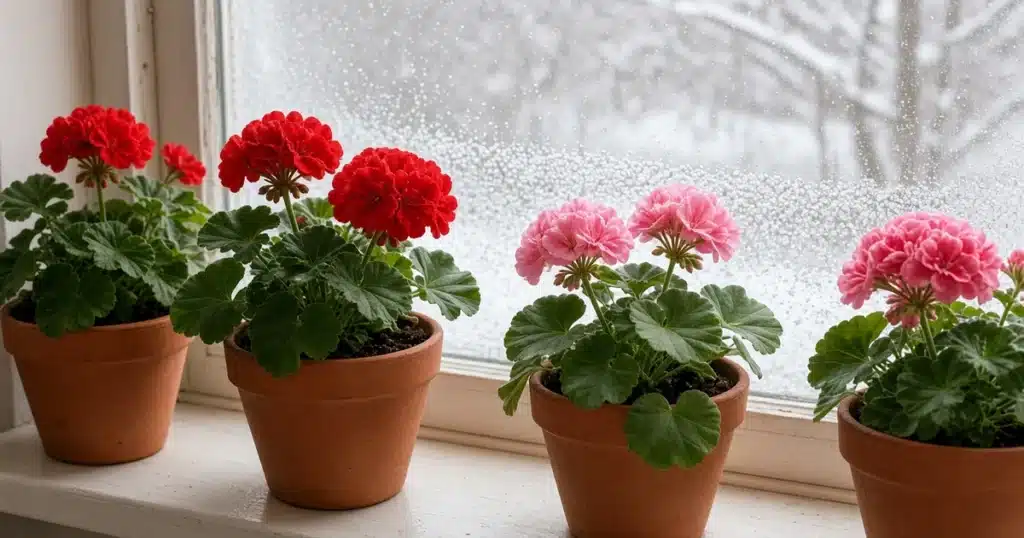
A tender perennial is a plant that lives for years in a warm climate but dies when winter freezes hit. In cold zones, gardeners grow these plants as annuals or bring them indoors for winter. Geraniums, lantana, coleus and dahlias are common examples. Checking your hardiness zone tells you which plants will need help.
Garden centers sell many plants as annuals that are perennials somewhere warmer.
What does tender perennial mean?
A perennial lives more than two years. A tender perennial is one that can’t survive cold winters outdoors. The Iowa State University Extension and Outreach glossary of garden terms defines terms such as annual, biennial and perennial, which helps place tender perennials among them.
Where winters are mild, these plants come back year after year. Where winters are cold, a hard frost usually ends them. That’s why the same plant may be a shrub in Florida and a bedding annual in Iowa.
| Plant | Grown for | Overwinter method |
|---|---|---|
| Geranium | Flowers | Pot up indoors or take cuttings |
| Coleus | Leaves | Take cuttings |
| Lantana | Flowers | Pot up indoors |
| Dahlia | Flowers | Dig and store tubers |
| Canna | Leaves and flowers | Dig and store rhizomes |
| Rosemary | Herb | Pot up indoors in cold zones |
Sources: Iowa State University Extension and Outreach, Illinois Extension, USDA Agricultural Research Service.
How do you know if a plant is tender where you live?
Start with your hardiness zone. The USDA Agricultural Research Service plant hardiness zone map divides the country by average lowest winter temperature. Plant tags list the zones where a perennial survives winter. If your zone is colder than the range on the tag, the plant is tender for you.
Microclimates shift things a bit. A plant next to a warm south wall may survive where one in an open bed doesn’t. Still, for planning, the zone map is a good place to begin.
Can you save tender perennials over winter?
Yes. There are a few ways.
Pot up and bring indoors. Dig the plant before frost, trim it back, pot it and set it in a bright, cool window. Water sparingly through winter.
Take cuttings. Snip a few vigorous stem tips in late summer, root them in water or moist mix and grow them on a windowsill. Our post on how to make cannabis clones walks through rooting cuttings, and the same steps work for coleus and geraniums.
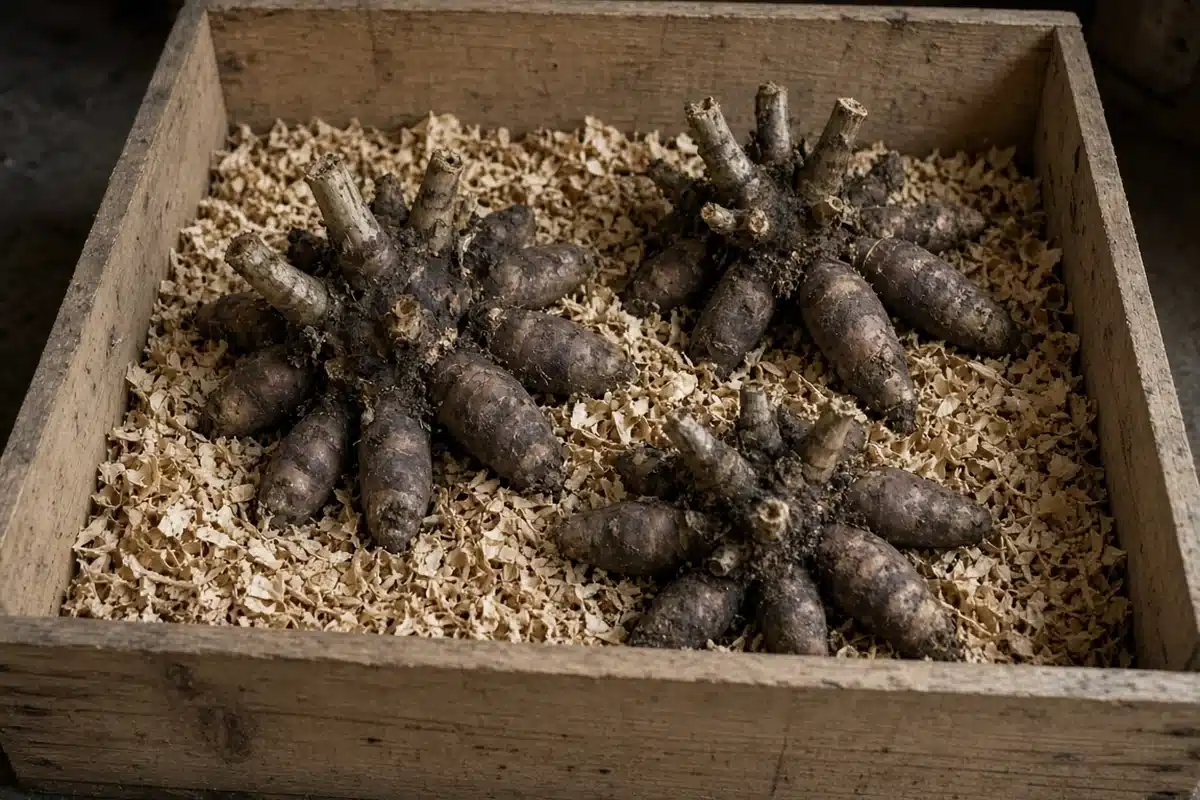
Store dormant. The Illinois Extension post on how to overwinter geraniums for next year’s garden describes an old method of hanging bare root geraniums upside down in a cool, dark place. Dahlias, cannas and other plants with tubers or rhizomes are dug after frost blackens the leaves, dried and stored in a cool, frost free spot.
When should you act?
Watch the forecast in fall. Most tender perennials need to come in before the first frost. Light frost can blacken leaves overnight. Our post on frost damage on cannabis explains how frost affects tender growth.
Plants with tubers can wait until frost kills the tops, then be dug.
In spring, wait until all danger of frost has passed before setting plants back out. Ease indoor plants into sun and wind over a week or so. Our post on strategies to shield seeds, seedlings and young plants from sudden temperature drops covers ways to handle a late cold snap.
How to: step by step
- Look up your USDA hardiness zone.
- Compare it with the zones on each plant tag.
- Decide which plants to save and which to replace.
- Take cuttings in late summer.
- Pot up or dig plants before the first frost.
- Move plants back out after the last frost.
Troubleshooting
Plant died outside over winter. It was tender for your zone. Bring it in next fall.
Leggy growth indoors. Low light. Move closer to a window and pinch back.
Stored tubers shriveled. Storage was too dry. Pack in slightly moist material.
Stored tubers rotted. Storage was too wet. Dry tubers before storing.
Leaves scorch when moved out. Too much sun too fast. Adjust plants slowly.
Knowing which perennials are tender lets you save favorites year after year. Kind Seed Co shares more seasonal tips in outdoor growing.
Sources
- Glossary of garden terms, Iowa State University Extension and Outreach, Glossary of garden terms
- How to overwinter geraniums for next year’s garden, Illinois Extension, How to overwinter geraniums for next year’s garden
- 2023 USDA plant hardiness zone map, USDA Agricultural Research Service, 2023 USDA plant hardiness zone map
FAQ
Is a tender perennial an annual?
No, but it is often grown like one in cold zones.
What are common examples?
Geraniums, coleus, lantana, dahlias and cannas.
How do I find my zone?
Use the USDA plant hardiness zone map.
When should I bring plants in?
Before the first fall frost.
Can I save plants from cuttings?
Yes. Root stem tips in late summer.