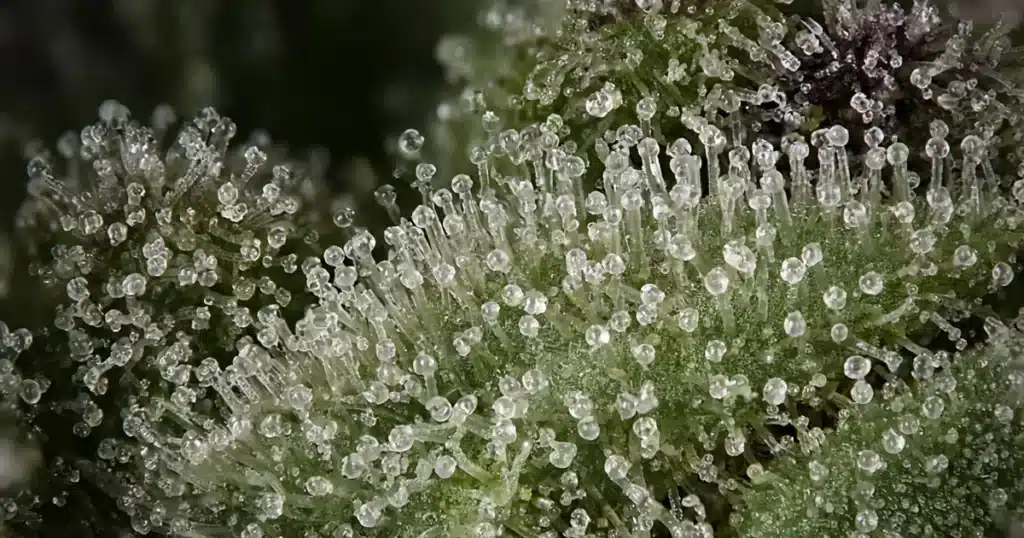
What Does Glaucous Mean? The Waxy Blue Bloom on Leaves
The short answer
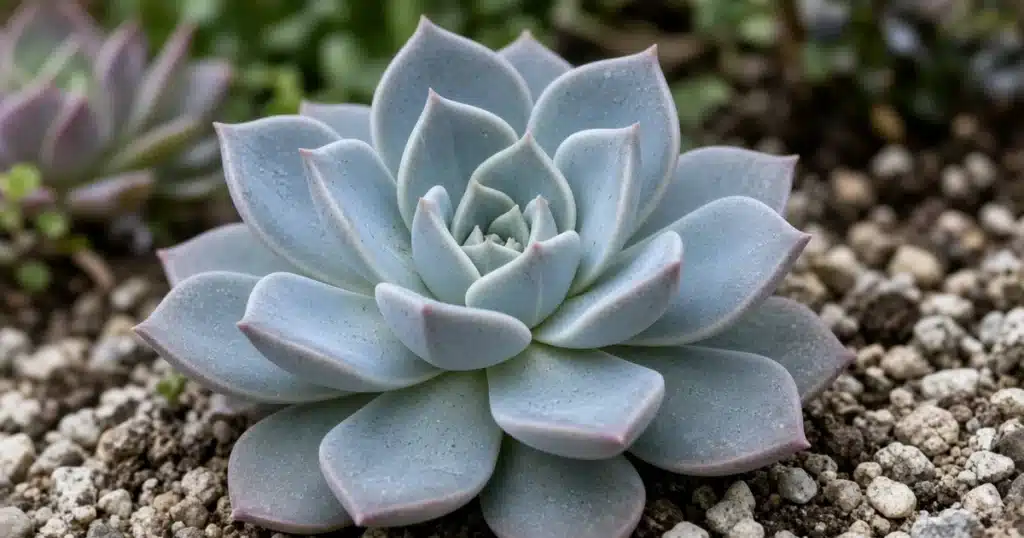
Glaucous is a botanical term for a waxy, powdery coating that gives leaves, stems or fruit a blue gray or silvery look. Blue spruce, many succulents, cabbage leaves and plums show it. The bloom helps shed water and reflect light, and it can rub off when handled. Plant descriptions use the word to help with identification.
Once you know the word, you will see glaucous plants everywhere, from the produce aisle to the rock garden.
What does glaucous mean?
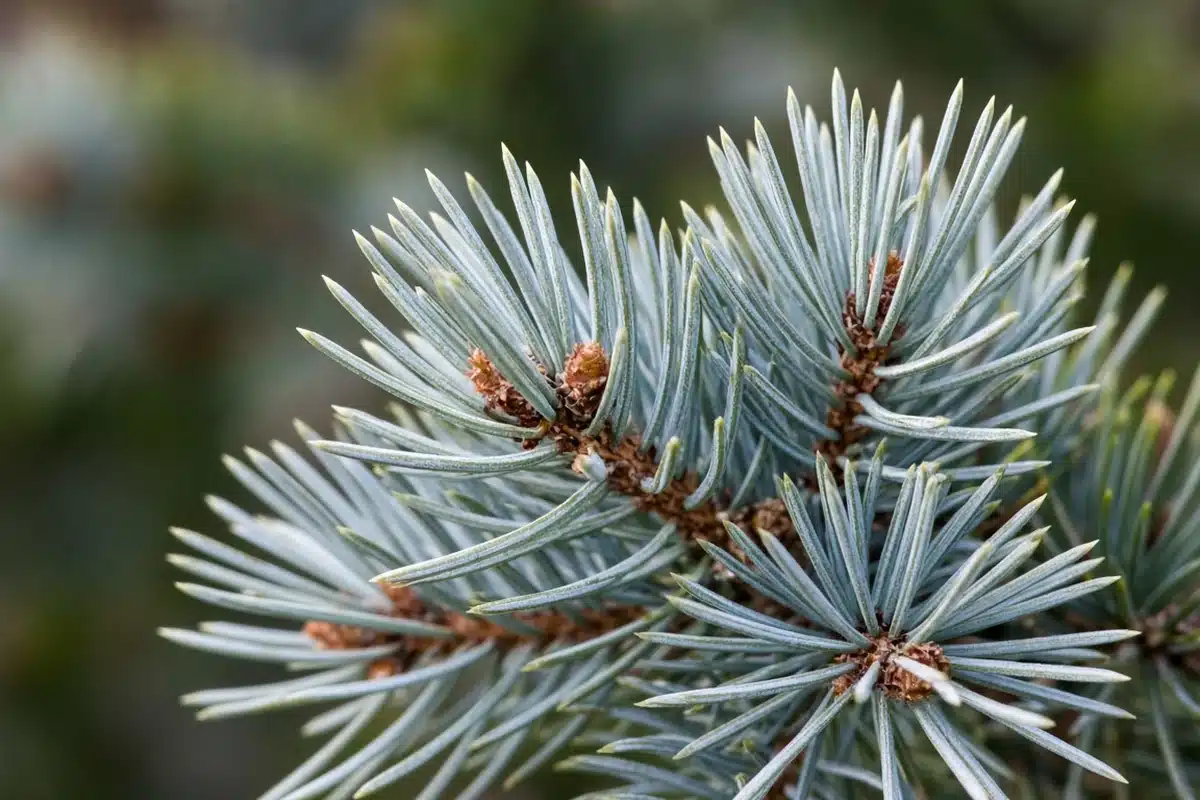
The word comes from the Greek for bluish gray. In botany, glaucous describes a surface covered with a fine, waxy or powdery bloom. The NC State Extension Gardener Handbook glossary lists it among the terms used to describe plant surfaces.
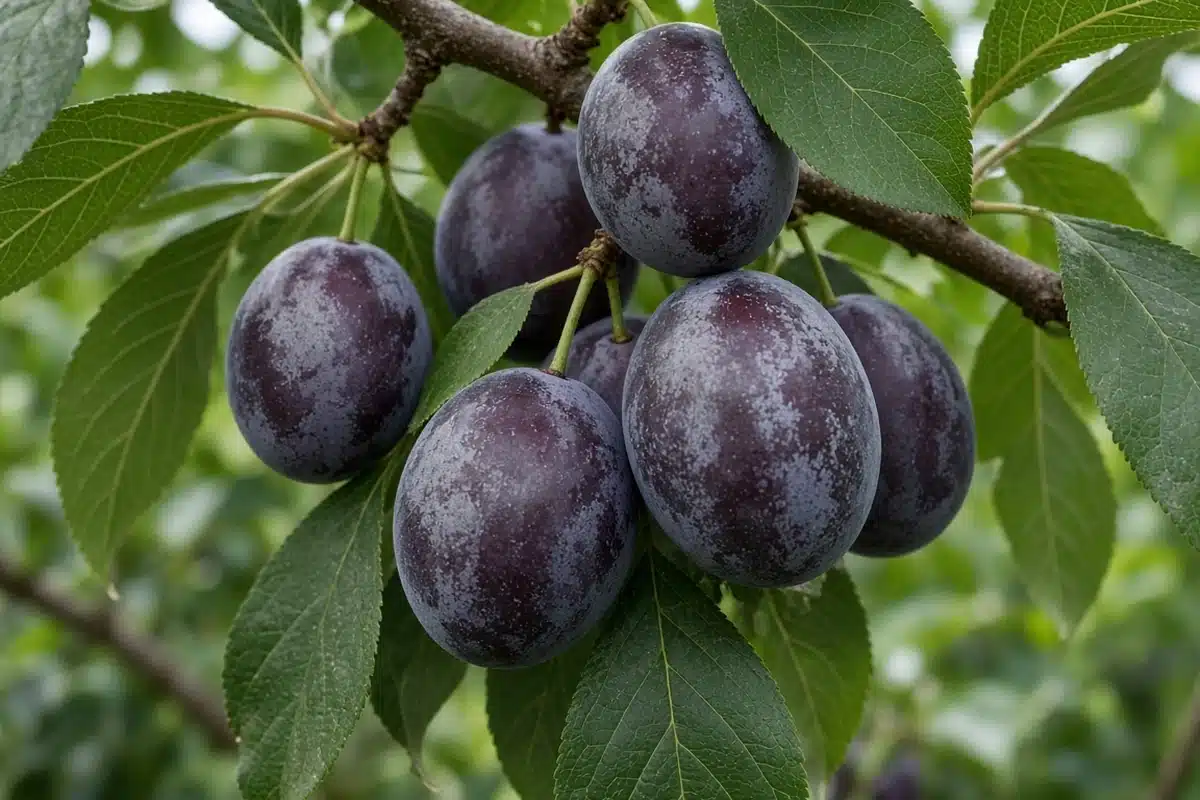
The bloom is a waxy coating on the leaf surface that rubs off easily. It scatters light, which is why the surface looks blue, gray or white rather than plain green. Rub a plum and the dusty film comes off, revealing darker, shinier skin underneath. That film is a glaucous bloom.
| Plant | Glaucous part | What you see |
|---|---|---|
| Colorado blue spruce | Needles | Silvery blue color |
| Echeveria and other succulents | Leaves | Powdery blue gray coating |
| Cabbage and kale | Leaves | Blue green waxy sheen |
| Plums and blueberries | Fruit | Dusty white film |
| Blue fescue | Blades | Blue gray color |
| Eucalyptus | Leaves and stems | Silvery coating |
Sources: NC State Extension, Iowa State University Extension and Outreach, Purdue Extension.
Why do plants have a glaucous bloom?
The wax has several jobs. It can help water bead up and roll off the surface. It may also reflect some sunlight and help slow water loss.
Our post on the cannabis leaf cuticle explains how the waxy outer layer of a leaf holds in moisture. A glaucous bloom is an extra layer on top of that cuticle.
How is glaucous used in plant ID?
Plant guides use surface terms to tell similar plants apart. The Iowa State University Extension and Outreach glossary of garden terms and the Purdue Extension Master Gardener illustrated glossary of plant identification terminology both define words for leaf surfaces.
Glaucous sits alongside terms such as glabrous, meaning smooth and hairless, and pubescent, meaning hairy. A description might say leaves are glaucous beneath, meaning the underside has the bloom while the top does not. Checking for it can help separate one species of spruce, willow or oak from another.
Some species names hint at it. Plants with glauca or glaucum in their name, such as Picea glauca, the white spruce, often carry this blue gray coating.
Our post on cannabis leaf anatomy covers other leaf parts worth knowing for identification.
Can the bloom be damaged?
Yes, the wax rubs off with handling, wiping or hard spray. Once gone, it may not return on that leaf, but new growth will have it.
Some coatings and sprays can dissolve or mask the bloom, which may leave uneven color on succulents. Handle glaucous plants by the pot or the base, and water at the soil rather than over the leaves.
A sudden loss of blue color across a whole plant may point to other growing conditions. Our post on what cannabis leaves can tell you explains how leaf color changes can signal growing conditions.
How to: step by step
- Look for a blue gray or silvery cast on leaves, stems or fruit.
- Rub a small spot gently with a finger.
- If a powder comes off and green shows underneath, the surface is glaucous.
- Note whether the bloom is on top, underneath or both.
- Handle plants by the pot to protect the coating.
- Water at the soil line.
Troubleshooting
Green finger marks on succulents. The wax rubbed off, but new leaves will have it.
Blue spruce looks greener. Growing conditions or age may dull the color. Check the site.
Patchy shine after leaf spray. The product removed wax. Skip leaf shine.
Dusty film on plums. Natural bloom. It rinses off.
Leaves look dull and white. Likely normal bloom. Check with a gentle rub.
Glaucous is a handy word for any gardener who likes to name what they see. Kind Seed Co shares more plant tips in outdoor growing.
Sources
- Extension Gardener Handbook glossary, NC State Extension, Extension Gardener Handbook glossary
- Glossary of garden terms, Iowa State University Extension and Outreach, Glossary of garden terms
- Plant identification terminology: an illustrated glossary, Purdue Extension Master Gardener Program, Plant identification terminology
FAQ
What does glaucous mean?
Covered with a waxy, blue gray or white bloom.
Which plants are glaucous?
Blue spruce, many succulents, cabbage and plums.
What does the bloom do?
It may help shed water, reflect light and slow water loss.
Does the bloom grow back?
Not on the same leaf, but new growth has it.
What is the opposite of glaucous?
Plain green surfaces without wax, often shiny.