
What Is a Thyrse? A Branched Flower Cluster Like Lilac
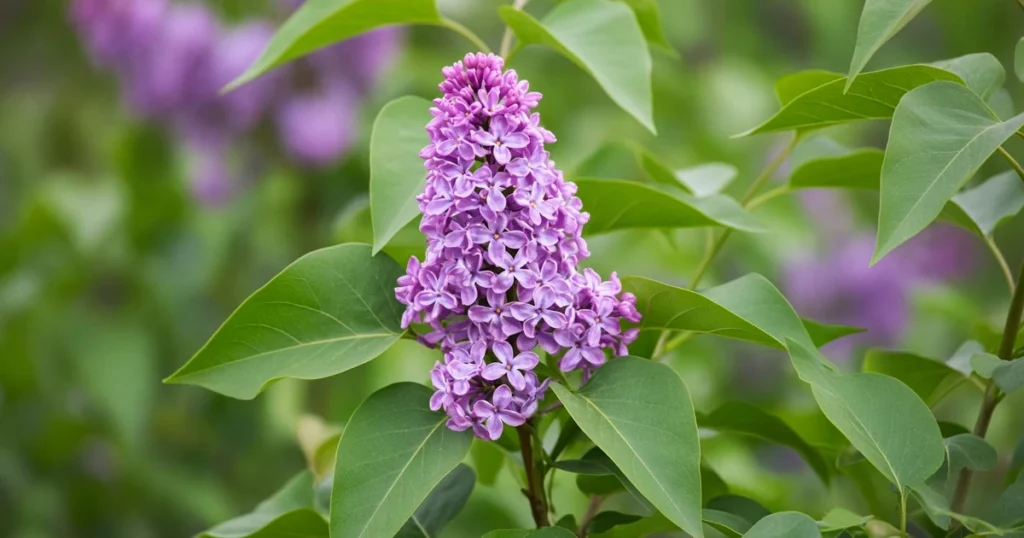
A thyrse is a branched flower cluster where the main stem grows on while each side branch ends in a flower early. NC State Extension notes some inflorescences have an indeterminate central axis plus determinate lateral branches, such as buckeyes, which is the pattern a thyrse describes.
The short answer
A thyrse is a flower cluster with a main axis that grows on plus side branches that each end in a small flower cluster. NC State Extension calls this an indeterminate central axis with determinate lateral branches, as in buckeyes. NC State describes the common lilac flower cluster as a conical panicle of cymes.

How do you identify a thyrse?
Study the main stem plus the side branches. NC State notes a determinate cluster has a flower that ends the axis early, while an indeterminate axis grows on. A thyrse blends the two.
| Cluster | Structure | Source |
|---|---|---|
| Raceme | Elongated axis with stalked flowers | NC State |
| Panicle | Branched raceme | NC State |
| Cyme | Flat or rounded, flowers in threes | NC State |
| Mixed cluster | Growing main axis, side branches that end in flowers | NC State |
How is a thyrse different from a panicle?
NC State defines a panicle as a branched raceme, so its branches grow on. In a thyrse the side branches are determinate, which means each one ends in a flower. In both, the main axis grows on.
Which plants have thyrses?
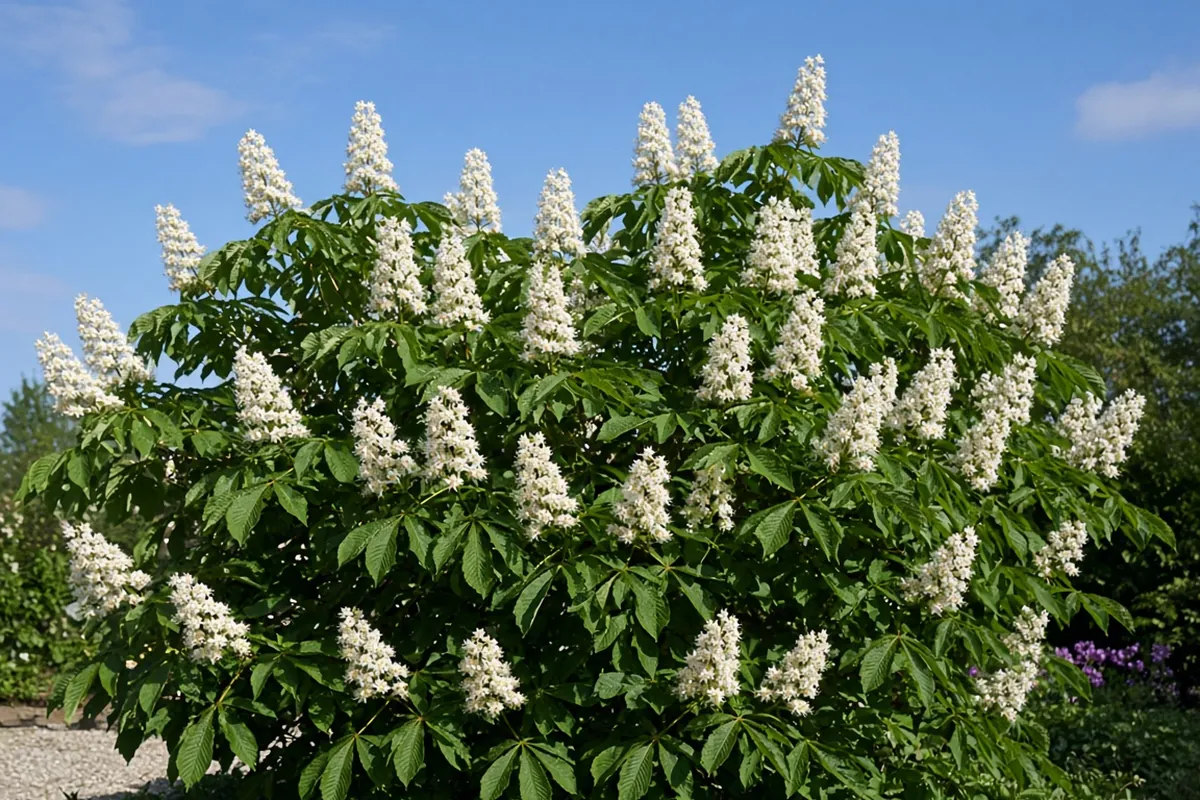
NC State names buckeyes as plants with an indeterminate central axis plus determinate side branches. Its lilac page describes the common lilac cluster as a conical panicle of cymes up to 8 inches long, which matches the same pattern.
How to: step by step
- Locate the main stem of the flower cluster.
- Check whether its tip still makes new buds.
- Examine one side branch.
- See whether a flower opens at the tip of that branch first.
- If side branches end in flowers while the main axis grows on, the cluster is mixed.
- Compare it with lilac or buckeye.
Troubleshooting
Cluster looks like a panicle: inspect the side branches. Branches that end in flowers point to a thyrse.
Flowers open top down: NC State notes this happens in determinate clusters.
Glossaries disagree: some sources call lilac a panicle, as the NC State lilac page does.
For more on plant structure see cannabis leaf anatomy, cannabis nodes and internodes plus companion plants when growing marijuana. Kind Seed Co also stocks cannabis seeds.
Sources
- Illustrated glossary, Master Gardeners of Northern Virginia
- Syringa vulgaris (common lilac), NC State Extension Gardener Plant Toolbox
- Extension Gardener Handbook, chapter 3: botany, NC State Extension
FAQ
Is lilac a thyrse or a panicle?
The NC State lilac page describes the common lilac flower cluster as a panicle of cymes that is conical plus up to 8 inches long. A panicle whose side branches end in cymes fits the thyrse pattern, so gardeners will see both words used for the same lilac cluster in plant guides.
Why do botanists use the word thyrse?
The word names a cluster that mixes two growth patterns. NC State Extension notes some inflorescences have an indeterminate central axis plus determinate lateral branches, as in buckeyes. A single word for that mix helps when identifying plants, since the shape of a flower cluster is a useful clue.
Do thyrses attract pollinators?
The NC State lilac page tags common lilac as a pollinator plant that is friendly to bees, butterflies plus hummingbirds. It notes the sweet fragrance of lilac flowers. Large, many flowered clusters like lilac offer plenty of flowers in one place for visiting insects during the spring bloom.
What is a cyme?
NC State Extension describes a cyme as a broad, flat topped or rounded inflorescence with flower clusters in threes, where the floral stalks are similar in length. It is a determinate cluster, so a flower ends the axis early. In a thyrse, the side branches often form small cymes.
What is a panicle?
NC State Extension defines a panicle as a branched raceme. A raceme has an elongated axis with stalked flowers, plus flowers open from the bottom to the top. Because a panicle grows on along each branch, it differs from a thyrse, whose side branches end in flowers early.



