
What Is a Capitulum? Flower Heads of Daisies plus Sunflowers
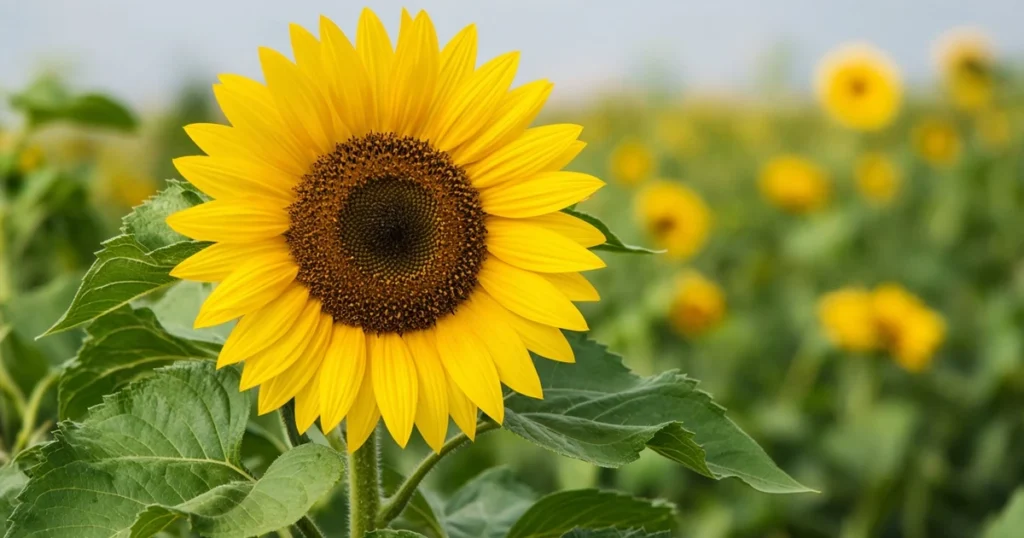
A capitulum is a compact head of many small flowers on a very short axis. The Master Gardeners of Northern Virginia glossary notes the capitulum is the composite flower typical of the Asteraceae, the aster family that includes sunflowers, lettuce, tickseed plus tansy.
The short answer
A capitulum is a flower head made of many tiny florets on a short axis. The Master Gardeners of Northern Virginia glossary notes it is typical of the aster family. Ray florets form the strap shaped outer petals, while disk florets fill the center. NC State notes sunflowers have flowers attached to a disk.
What are ray plus disk florets?
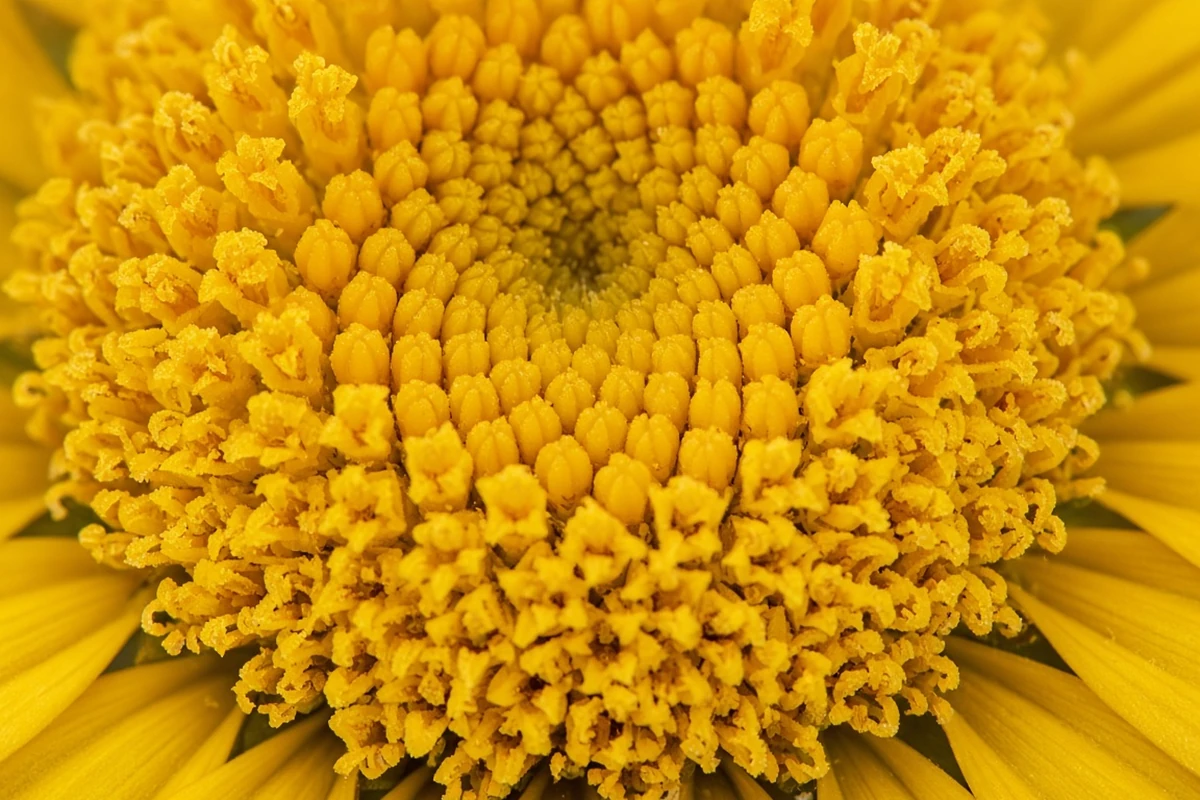
The Northern Virginia glossary defines a ray floret as one of the strap shaped outer flowers of a composite head plus a disk floret as one of the often tubular flowers in the center.
| Part | What it is | Source |
|---|---|---|
| Capitulum | Compact head of flowers on a short axis | Northern Virginia glossary |
| Ray floret | Strap shaped outer flower | Northern Virginia glossary |
| Disk floret | Tubular flower in the center | Northern Virginia glossary |
| Phyllaries | Bracts under the head | Northern Virginia glossary |
Which plants have a capitulum?
The glossary names sunflower, lettuce, tickseed plus tansy, all members of the aster family. NC State Extension notes a head has all flowers attached to a disk, with sunflowers plus Echinacea as examples.
Why is a daisy not one flower?
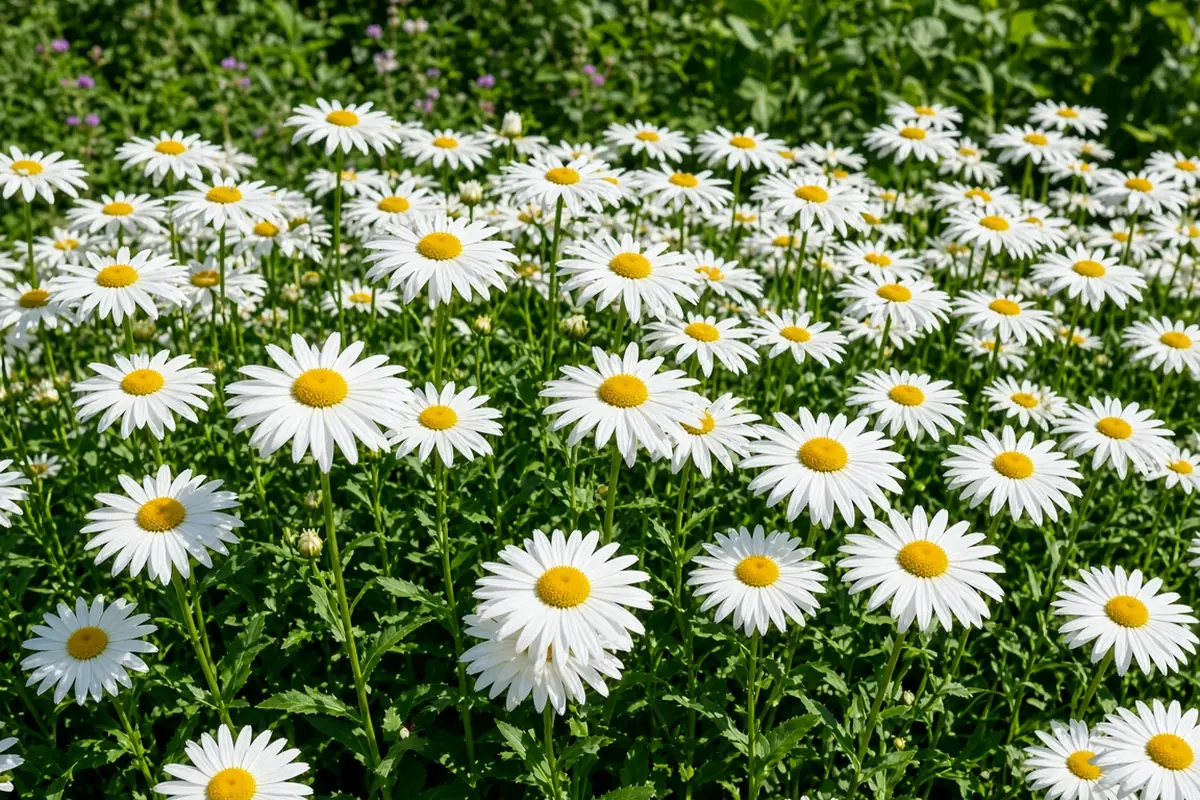
The glossary notes a sunflower may look like a solitary flower but is a capitulum of many florets. Each ray plus each disk floret is a tiny flower of its own. In Latin, capitulum means little head.
How to: step by step
- Choose a daisy or sunflower head.
- Find the strap shaped outer petals, which are ray florets.
- Check the center, where disk florets sit.
- Turn the head over to see the bracts called phyllaries.
- Count the florets to see how many flowers make one head.
- Compare other aster family plants.
Troubleshooting
Center looks like one button: every tiny bump is a disk floret.
No outer petals: some composite heads lack ray florets, so check the center for disk florets.
Head droops: NC State notes sunflower heads are large plus showy at the end of the stems.
For more on plant structure see cannabis leaf anatomy, what roles do bees play in outdoor cannabis plus companion plants when growing marijuana. Kind Seed Co also stocks cannabis seeds.
Sources
- Capitulum, disk floret, ray floret (glossary), Master Gardeners of Northern Virginia
- Helianthus annuus (sunflower), NC State Extension Gardener Plant Toolbox
- Extension Gardener Handbook, chapter 3: botany, NC State Extension
FAQ
Is a sunflower a capitulum?
Yes. The Master Gardeners of Northern Virginia glossary notes the common sunflower may appear to be a solitary flower but is a capitulum or composite. NC State Extension describes sunflower heads as 3 to 6 inches wide, with orange yellow petal rays plus blackish brown to purplish center disks.
What are the bracts under a flower head?
The Northern Virginia glossary notes the florets of a sunflower sit on a common receptacle that is subtended by bracts called phyllaries. These green, leafy bracts wrap the base of the head. The head is borne on a stalk called a peduncle, though some composite heads have no stalk.
What does capitulum mean?
The Northern Virginia glossary notes the word capitulum was first used in the 18th century plus means little head in Latin. It notes some floras use the word head instead of capitulum or use the two words interchangeably, so both terms point to the same kind of flower cluster.
How do bees use a capitulum?
NC State Extension tags the common sunflower as bee friendly plus a nectar plant that supports specialized bees plus butterflies. Because one capitulum holds many small florets, a visiting insect can feed from many flowers on a single head before it moves on to the next one.
What is a ligule?
The Northern Virginia glossary defines a ligule as the strap shaped corolla of a ray floret in a composite head. The word also names a small outgrowth where a grass leaf blade meets its sheath. In a daisy, the ligules are the petal like parts around the edge.



