What Is Lammas Growth? The Second Summer Flush on Trees
The short answer
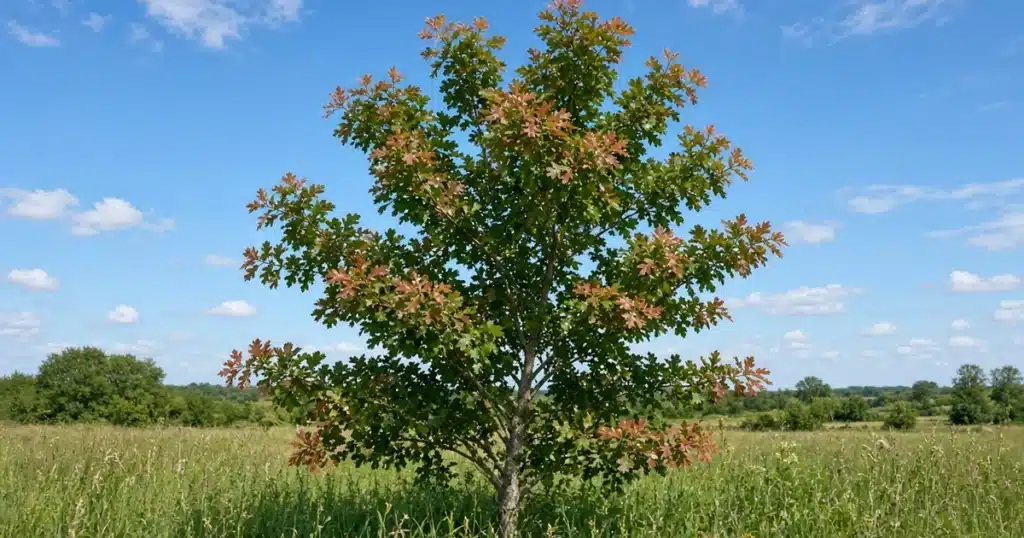
Lammas growth is a second flush of shoots that some trees push in mid to late summer, after their main spring growth has stopped. Douglas fir and noble fir are common examples. It often follows a wet spell after early summer dryness. The extra shoots are usually harmless but can make young trees look forked or uneven.
The name comes from Lammas Day, an old harvest festival on August 1, around the time these shoots show up.
What is lammas growth?
Most trees in temperate climates grow in one main burst each spring. Buds formed the year before open, shoots stretch out and new buds set for next year. Then growth stops.
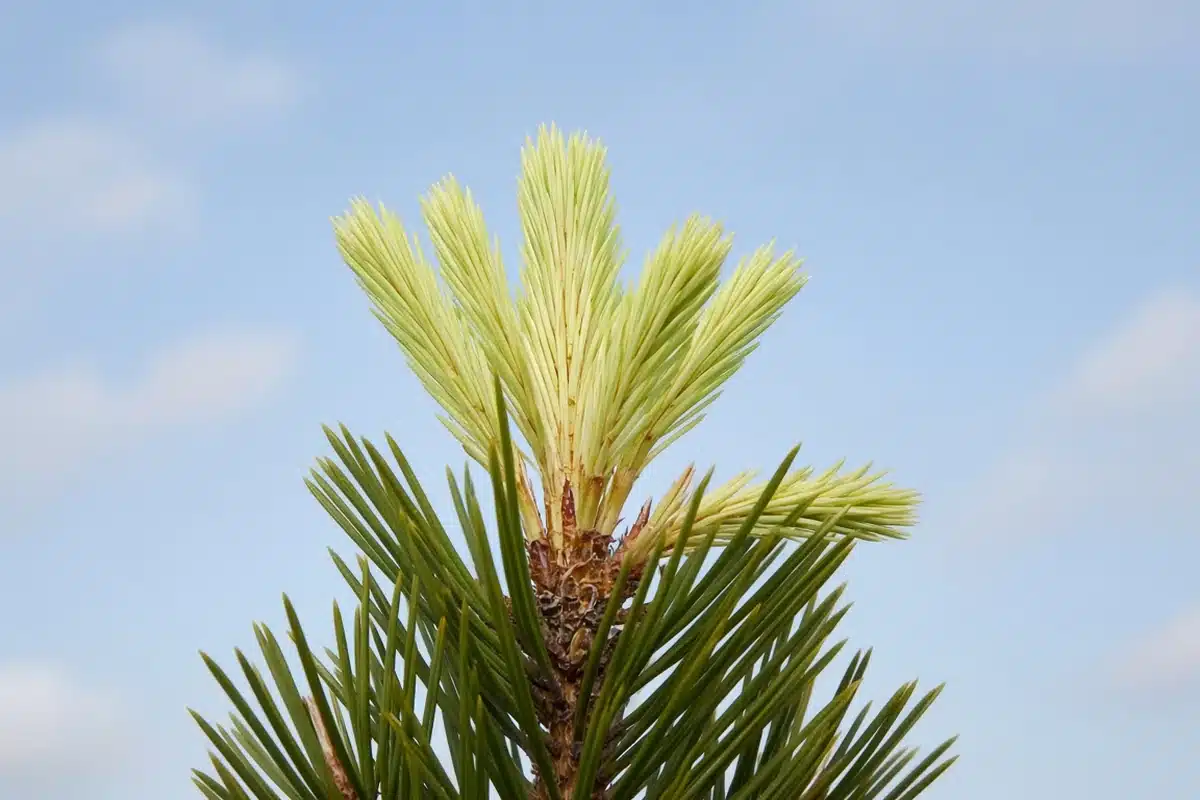
Some trees don’t stop there. Under the right conditions, the newly set buds open in summer and produce a second round of shoots. The USDA Forest Service Forest Nursery Notes article on lammas shoots in nurseries and plantations describes lammas shoots as common in young conifers and some hardwoods.
The NC State Extension Gardener Handbook glossary defines many growth terms that help explain how buds, shoots and leaders work.
| Topic | What to know | Effect |
|---|---|---|
| Timing | Mid to late summer | After spring growth stops |
| Common trees | Douglas fir and noble fir | Often young trees |
| Trigger | Moisture and warmth after early summer dryness | Buds break early |
| Look | Shoots with softer, lighter foliage | Shows as a second tier of growth |
| Effect on shape | Can cause forked tops or crooks | Matters most on trees grown for form |
| Hardiness | Late shoots may not harden by frost | Tips can die back in winter |
Sources: USDA Forest Service, Oregon State University Extension.
Which trees show lammas growth?
Oregon State notes it most on Douglas fir and noble fir. Pines, firs and Douglas fir can show it, especially young, fast growing trees in nurseries and plantations.
Vigorous young trees are more likely to do it than old ones. Trees with plenty of water and nutrients have the energy for a second flush.
Why does it happen?
The usual trigger is weather. Oregon State notes that it is especially common with summer rains while the season is still long enough for growth. Buds that were meant to wait until next spring open early.
Heavy feeding and generous watering can push lammas growth too. Our post on growing cannabis near trees covers how trees respond to the water and nutrients around them.
Is lammas growth a problem?
For most backyard trees, no. The extra shoots add some growth.
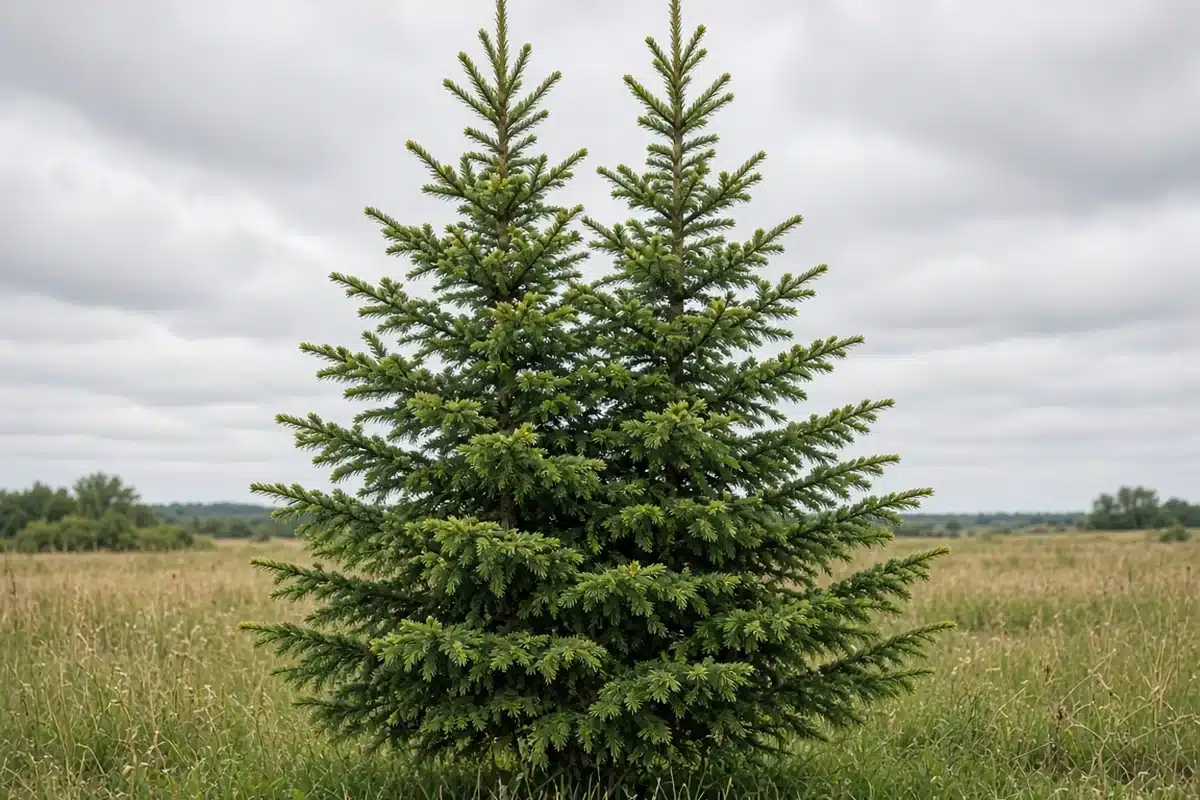
The issue comes with form. The Oregon State University Extension publication on developing quality Christmas trees in the Pacific Northwest discusses lammas growth as a concern for growers. A lammas shoot on the leader can create a crook or a fork, or make the top too long, which affects the shape of the tree.
Late shoots have less time to toughen before frost. Tips may die back in winter, leaving dead ends.
What can you do about it?
On shade trees, you can often leave it alone. On young trees where shape matters, check the leader in late summer and fall. If two leaders compete, choose the straighter one and cut the other back during the dormant season. Our post on pruning marijuana plants covers clean pruning cuts that apply to many plants.
Avoid heavy feeding late in the season so trees aren’t pushed into extra growth. Shaping young trees early pays off later. Our post on training techniques for marijuana plants explains how guiding growth early shapes a plant.
How to: step by step
- Look for a second flush of soft shoots in mid to late summer.
- Note the tree type and its age.
- Leave lammas shoots alone on most shade trees.
- Check young trees for forked or crooked leaders.
- Pick one leader and prune competitors when dormant.
- Skip late season feeding.
Troubleshooting
Forked top on a young tree. A lammas shoot made a second leader. Prune one away in winter.
Dead tips in spring. Late shoots didn’t harden before frost. Prune back to live wood.
Soft red leaves on oak in summer. Normal lammas growth. No action needed.
Crooked leader on a conifer. Stake or prune to favor one straight shoot.
Lots of late growth every year. Cut back on late feeding.
Lammas growth is a late summer regrowth that shows up on some species. Kind Seed Co shares more tree and garden tips in outdoor growing.
Sources
- Lammas shoots in nurseries and plantations, USDA Forest Service RNGR, Forest Nursery Notes, Lammas shoots in nurseries and plantations
- Developing quality Christmas trees in the Pacific Northwest (PNW 684), Oregon State University Extension, Developing quality Christmas trees in the Pacific Northwest (PNW 684)
- Extension Gardener Handbook glossary, NC State Extension, Extension Gardener Handbook glossary
FAQ
What does lammas mean?
It comes from Lammas Day, an old harvest festival on August 1.
Which trees grow lammas shoots?
Douglas fir and noble fir are common examples.
Is lammas growth harmful?
Usually not, though it can affect tree shape.
What triggers it?
Summer rains are a common trigger.
Should you prune lammas shoots?
Only when they create a competing leader.