
What Is Protandry? Flowers That Shed Pollen Before the Stigma Is Ready
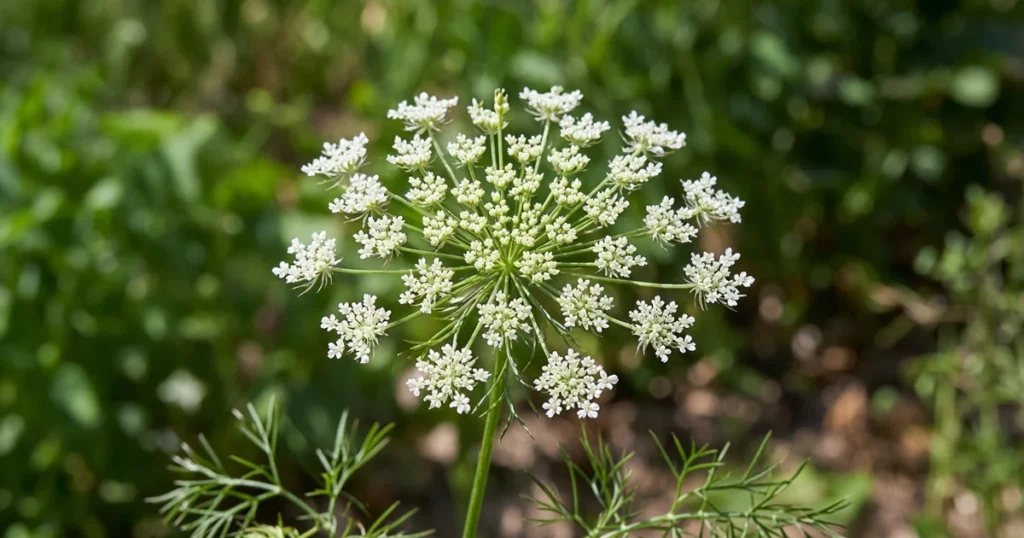
Protandry is a timing pattern in flowers where the anthers release pollen before the stigma of the same flower is ready to receive it. UC Berkeley describes it as a form of dichogamy, and UC ANR lists carrots, mints and salvias as examples.
The short answer
Protandry means a flower’s male parts mature first. The anthers shed pollen, and only later does that flower’s stigma become receptive. That gap favors pollen from another flower over its own, which supports cross pollination in many garden plants, such as carrots.
What is protandry?
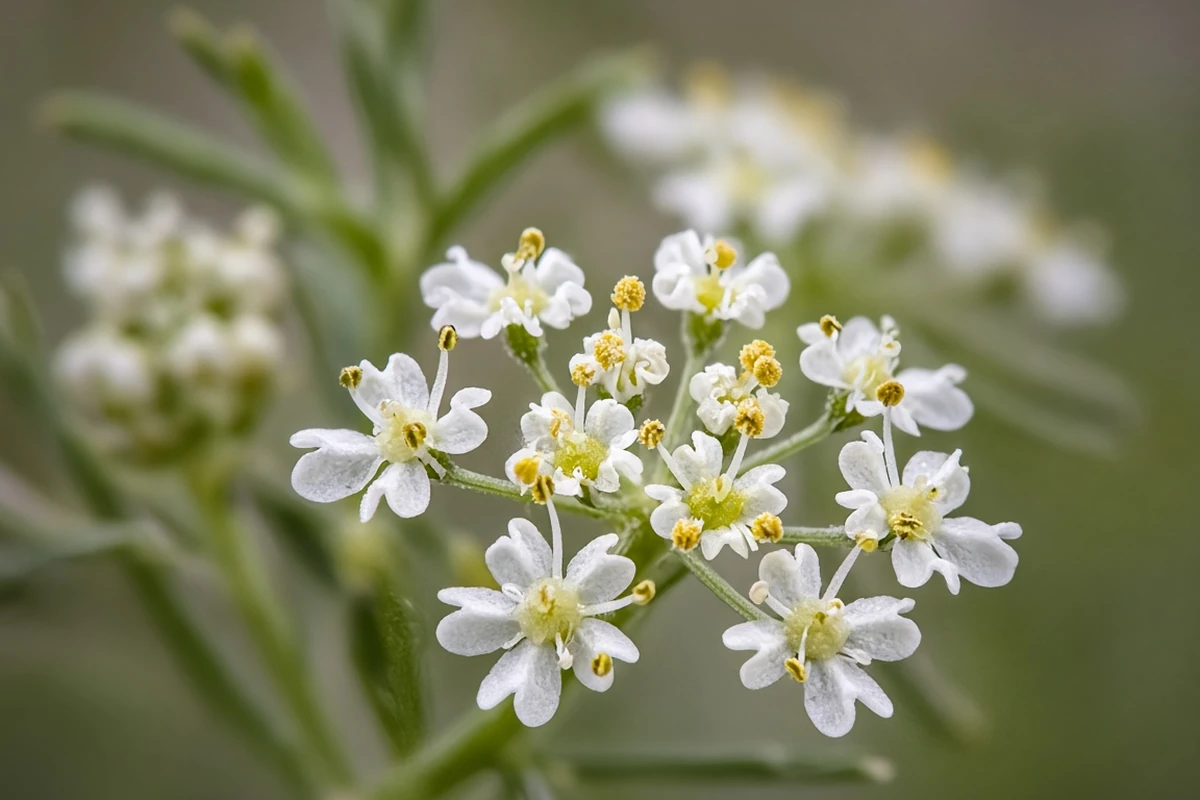
UC Berkeley defines dichogamy as separation in time of stigma receptivity and pollen release, and protandry is the type where anthers mature first. UC ANR adds that protandrous flowers start out wholly male, with plenty of pollen for bees. NC State Extension explains that the stigma sits on top of the style, and together with the ovary they form the pistil. See cannabis leaf anatomy for how plant parts are named.
How does protandry favor cross pollination?
The US Forest Service describes pollination as moving pollen from anthers to a stigma. If a flower’s own stigma isn’t open yet, its pollen has to reach other flowers to be used. UC Berkeley notes the limit: selfing can still happen between flowers on one plant. Pollinators matter here, as covered in what roles do bees play in outdoor cannabis.
Which garden plants show protandry?
UC ANR lists ivy, salvias, pecans, mints, legumes, carrots and some grasses. Avocado, it notes, has both protandrous and protogynous varieties. Several of these work as border plants, as in companion plants when growing marijuana.
Protandry at a glance
| Term | Meaning | Source |
|---|---|---|
| Dichogamy | Separation in time | UC Berkeley |
| Protandry | Anthers mature first | UC ANR |
| Protogyny | Stigma ready first | UC ANR |
| Herkogamy | Separation in space | UC Berkeley |
| Pollination | Pollen to stigma | US Forest Service |
Sources: UC Berkeley Integrative Biology, UC ANR, NC State Extension, US Forest Service.
How to: step by step
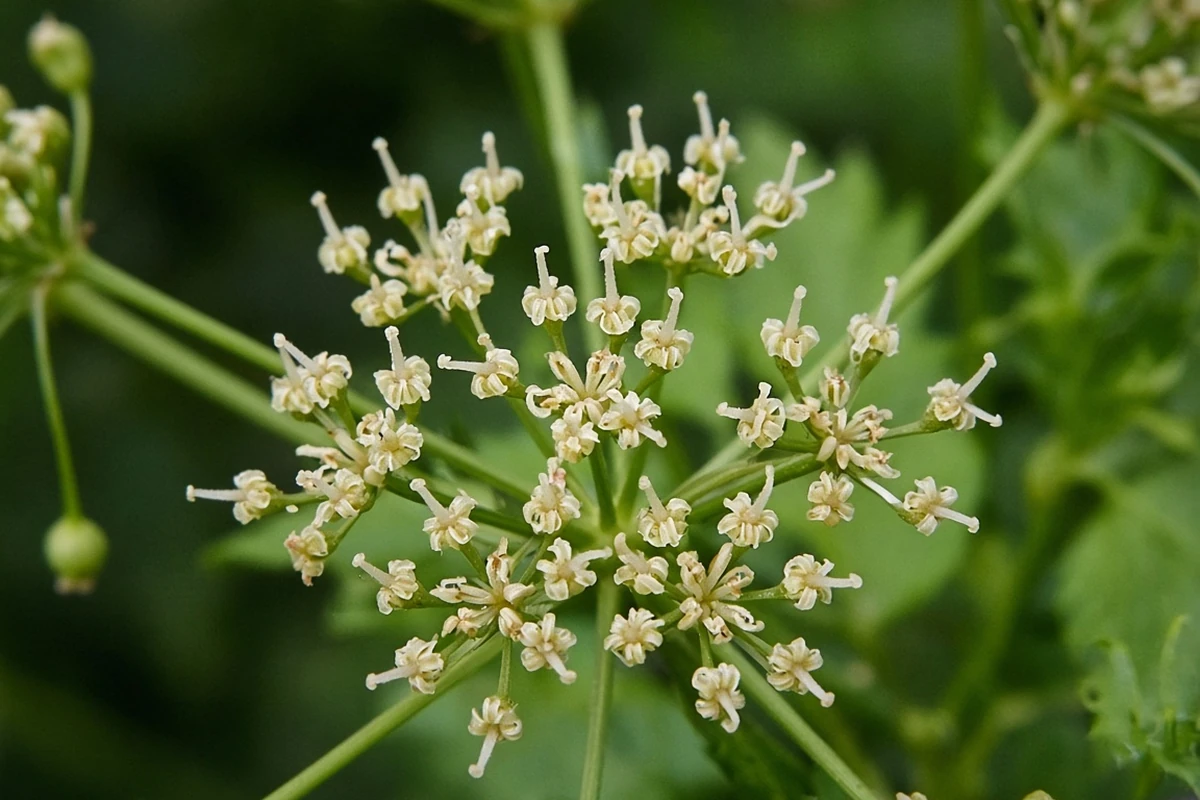
- Pick a flower cluster that has just opened.
- Find the anthers and look for loose pollen.
- Find the stigma in the center.
- Check if the stigma looks closed or dry.
- Look again a few days later.
- Note when the stigma opens.
Troubleshooting
Can’t see parts: tiny flowers. Use a hand lens.
Pollen and stigma ready together: not protandrous. Try a carrot flower.
Pollen gone: old flower. Check newly opened ones.
Kind Seed Co shares more plant science notes on the blog.
Sources
- Pollination key concepts (IB 168 lecture 15), UC Berkeley Integrative Biology
- Horticultural terms, University of California Agriculture and Natural Resources
- Extension Gardener Handbook, chapter 3: Botany, NC State Extension
- What is pollination?, US Forest Service
FAQ
What is the opposite of protandry?
Protogyny. UC ANR defines a protogynous flower as one where the stigma is receptive before the anthers of the same flower release pollen.
Does protandry stop self pollination?
Only within one flower. UC Berkeley notes that dichogamy limits selfing inside a flower but not between flowers on the same plant, since flowers open at different times.
Is protandry common?
Extension sources don't give a count. UC ANR lists ivy, salvias, pecans, mints, legumes, carrots and some grasses as protandrous examples, so it shows up in many garden plants.
Do carrots show protandry?
Yes. UC ANR lists carrots among protandrous plants, so a carrot flower cluster left to bloom is a handy place to look.
What is herkogamy?
UC Berkeley describes herkogamy as spatial separation of anthers and stigma within a flower. It is often combined with dichogamy, which is separation in time.



