
What Is Xenia? How Pollen Changes Kernel Color in Corn
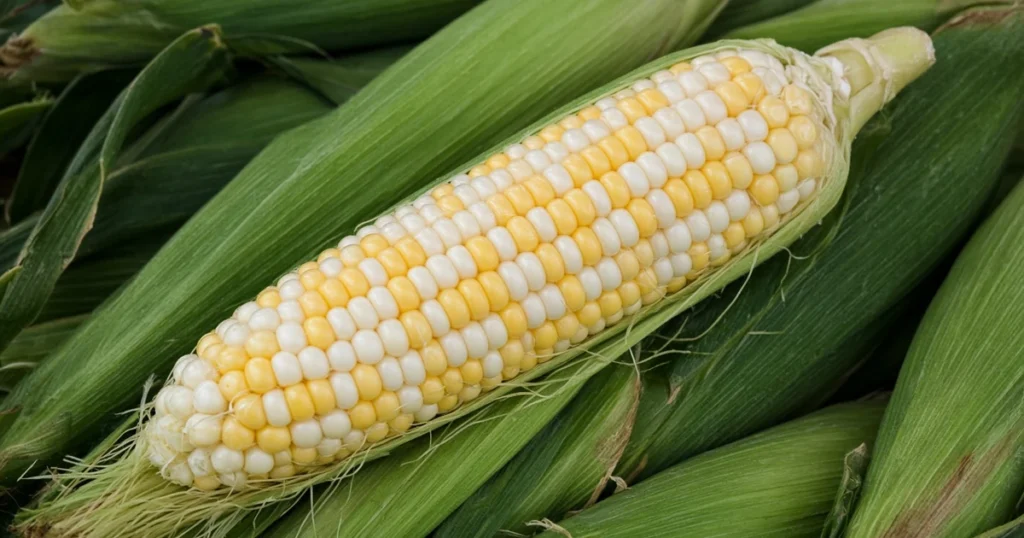
Xenia is pollen changing the seed or kernel that forms in the same season, and corn shows it clearly. Mississippi State Extension says pollen from one plant influences the kernel of another, and Utah State Extension notes yellow pollen can put yellow kernels in white corn.
The short answer
In corn, each kernel forms where a pollen grain lands on a silk. When pollen comes from a different type, the kernel itself can change color or texture that season. Space corn types apart or stagger planting dates so their tassels and silks aren’t active together.
What is xenia?
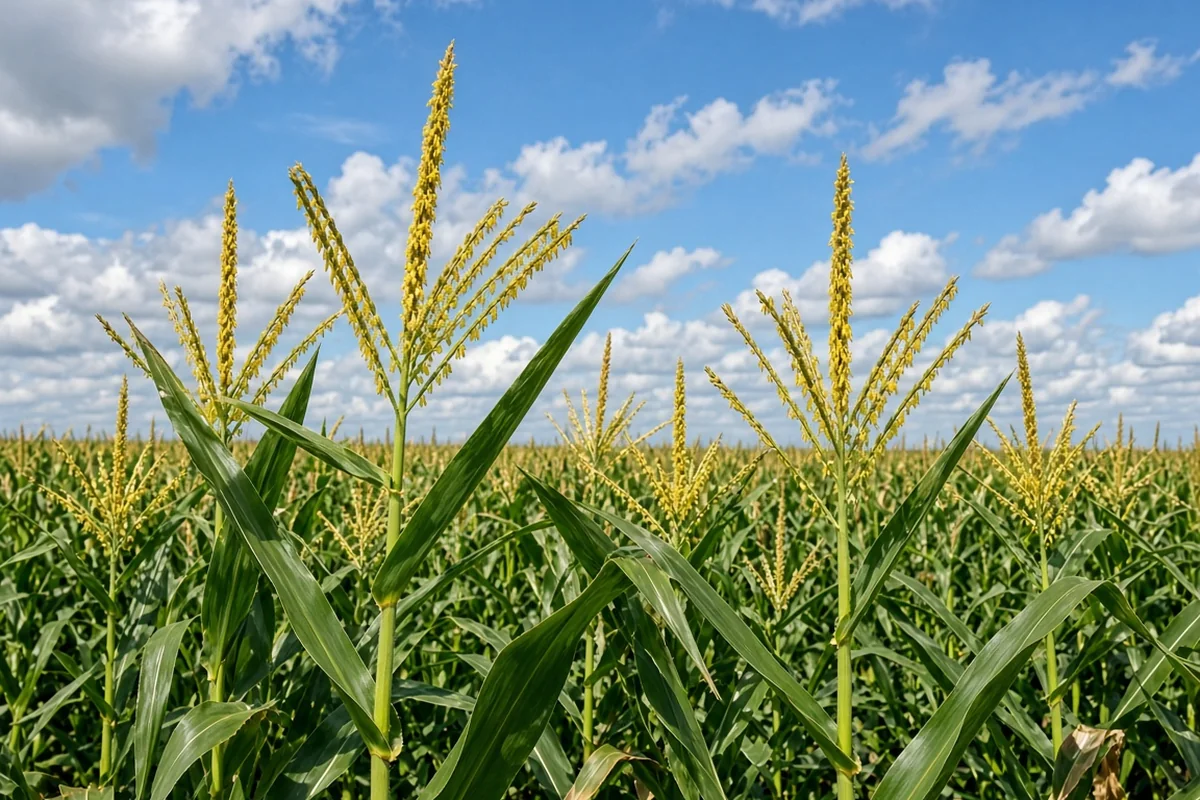
Xenia is the pollen parent’s visible effect on the kernel. University of Minnesota Extension explains that wind moves pollen from the tassel to the silks, and that three genes, su, se and sh, control sweetness. Learn the parts of a seed in cannabis seed anatomy.
How does xenia change corn kernels?
Utah State Extension says yellow is dominant, so yellow pollen on white corn gives some yellow kernels, while white pollen does not change yellow corn. Crossing sh types with other types gives starchy, tough kernels, Minnesota Extension adds. Pollen movement is also covered in what roles do bees play in outdoor cannabis.
How do growers prevent it?
Utah State and Mississippi State Extension advise 250 feet between types or 14 days between pollen shed. Purdue Extension says 700 feet gives complete isolation and suggests a 14 day tasseling gap. Plant in blocks so the ears fill. Compare with cannabis leaf anatomy.
Corn isolation guide
| Item | Guide | Source |
|---|---|---|
| Distance | 250 feet | Utah State |
| Full isolation | 700 feet | Purdue |
| Timing gap | 14 days | Mississippi State |
| White corn | Away from yellow | Utah State |
| Layout | Blocks, not rows | Purdue |
Sources: Utah State University Extension, Mississippi State University Extension, Purdue Extension, University of Minnesota Extension.

How to: step by step
- Grow one corn type, or space types well apart.
- Stagger planting dates so pollen and silks miss each other.
- Check variety notes for isolation needs.
- Watch tassels and silks timing.
- Inspect ears at harvest.
- Note any off color kernels.
Troubleshooting
Yellow kernels in white corn: cross pollination. Isolate more.
Starchy kernels in supersweet corn: mixed types. Space types apart.
Patchy ears: poor pollination. Try block planting.
Kind Seed Co shares more plant science notes on the blog.
Sources
- Classes of sweet corn, Utah State University Extension
- Can different corn types grow in the same field?, Mississippi State University Extension
- Growing sweet corn (HO-98), Purdue Extension
- Growing sweet corn, University of Minnesota Extension
FAQ
Does xenia affect taste?
It can affect texture. University of Minnesota Extension says crossing shrunken (sh) sweet corn with any other type gives starchy, tough kernels.
How far apart should corn types be?
Utah State and Mississippi State Extension advise 250 feet or a 14 day gap in pollen shed. Purdue Extension says 700 feet gives complete isolation.
Can xenia happen in other crops?
Extension sources only cover corn and don't say which other crops show this effect.
Will saved seed show the cross?
Extension sources describe the kernels formed this season, not plants grown from saved seed, so they don't answer this.
How does corn pollen travel?
University of Minnesota and Purdue Extension say wind carries pollen from the tassel to the silks, which is why block planting helps.



