
When to Harvest Parsnips: Root Size plus Timing plus Digging
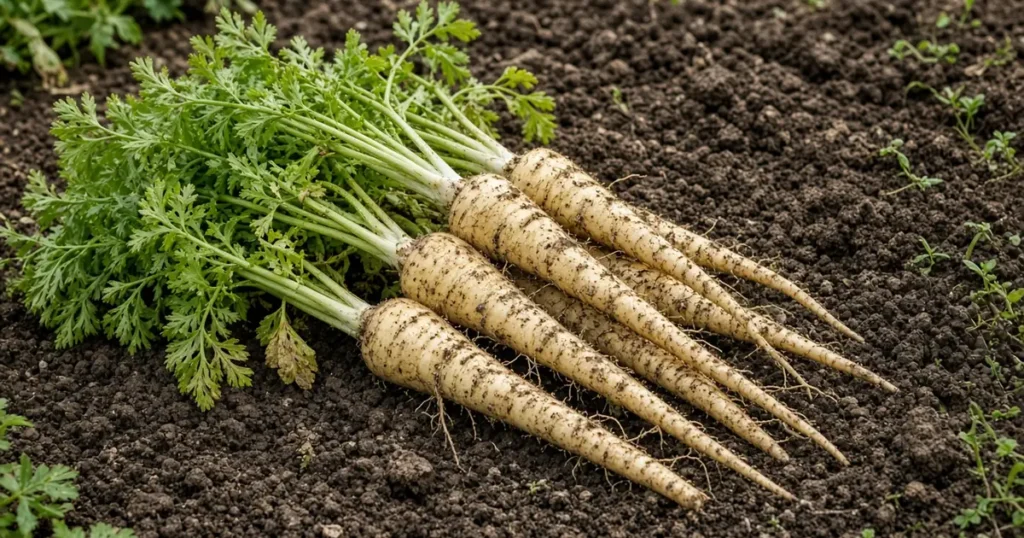
When to harvest parsnips comes down to cold weather plus root size. Iowa State University Extension advises digging them in late fall after several light freezes. Roots are usually 1½ to 2 inches across plus 8 to 12 inches long at harvest. Part of the crop can stay in the ground until spring.
The short answer
Harvest parsnips in late fall after exposure to several light freezes, per Iowa State University Extension. The low temperatures convert starches to sugars in the root. Dig roots with a spading fork or shovel. Leave some in the ground under straw plus dig them in early spring before growth resumes.
How long do parsnips take to mature?
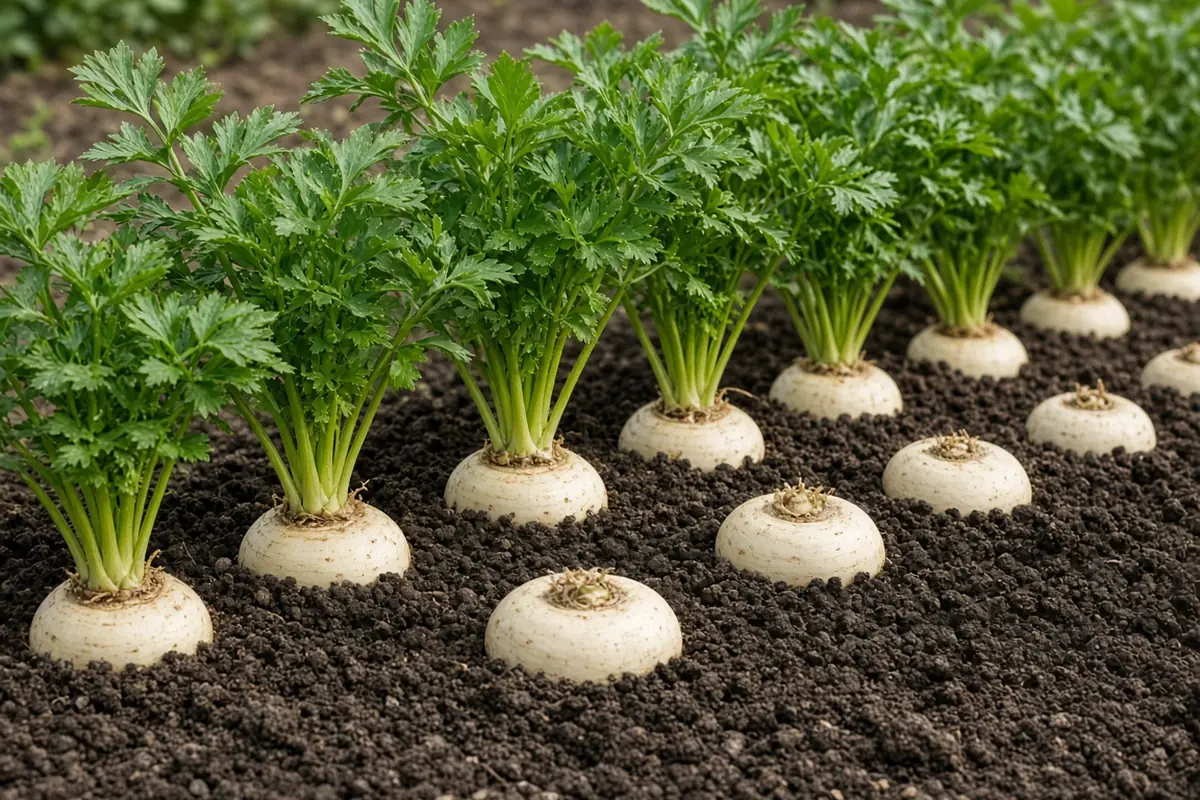
Parsnips are a long season crop that finishes in cold weather. University of Illinois Extension advises planting seed in early April or May in deep, fertile soil. The roots are not fully developed until they have been exposed to near freezing temperatures for 2 to 4 weeks in fall plus early winter.
Germination runs slow. Utah State University Extension notes seeds need 14 to 21 days to emerge plus germinate most readily at 55 to 65°F. Parsnips grow most vigorously when temperatures do not exceed 75°F. Utah State University Extension advises harvesting when the leaves reach full size.
| Step | Tool | Tip |
|---|---|---|
| Wait for frost | None | Dig after several light freezes |
| Check root size | Hands | About 1½ to 2 inches across |
| Dig roots | Spading fork, shovel or spade | Roots run 8 to 12 inches long |
| Trim tops | Knife or pruners | Leave ½ inch above the root |
| Store | Cold room | 32°F plus 95 to 98% humidity |
| Overwinter the rest | Straw | Cover after several hard freezes |
Source: Iowa State University Extension plus University of Illinois Extension.
How do you know roots are full size?
University of Illinois Extension notes harvested roots are usually 1½ to 2 inches in diameter plus 8 to 12 inches long. Single roots may weigh more than one pound each. Yields frequently exceed one pound per foot of row.
Leaves give a second cue. Utah State University Extension advises harvesting parsnips when the leaves reach full size. Roots left in the ground after light frosts are not seriously damaged, since temperatures down to 32°F do little harm to plants.
How should parsnips be dug?
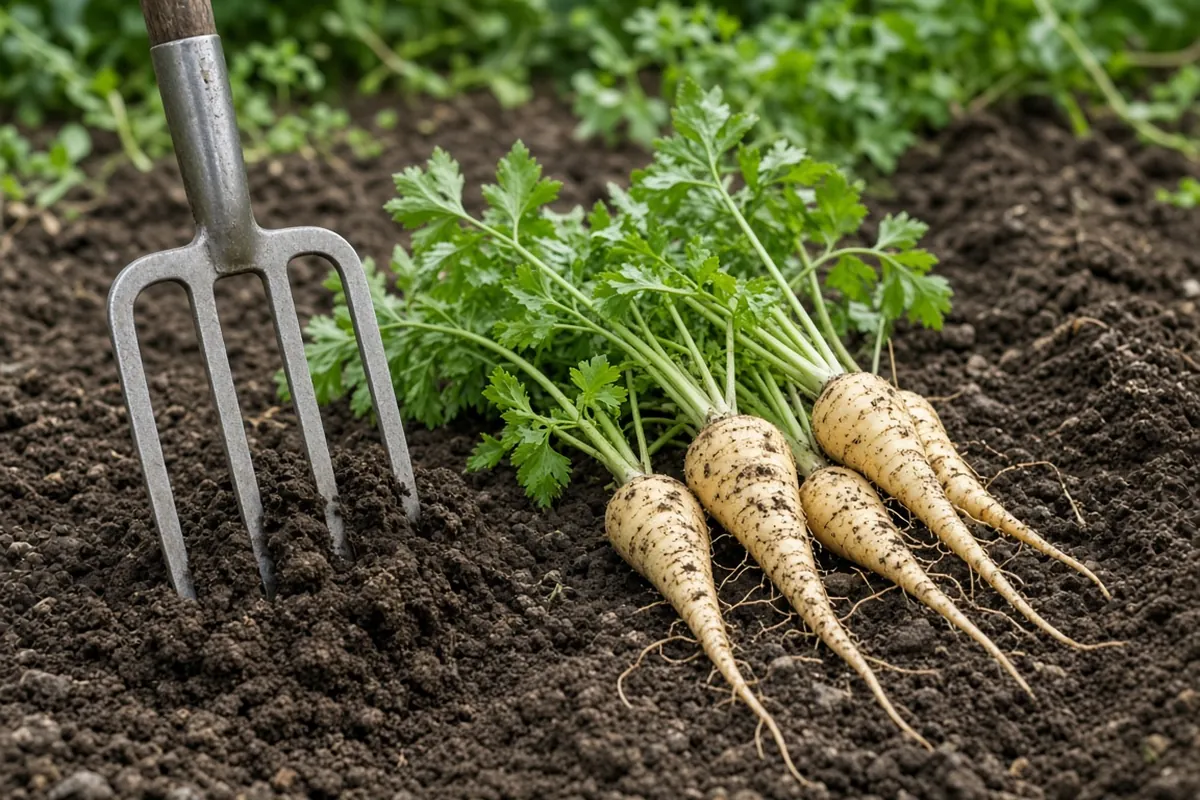
Roots run long, so dig deep. University of Illinois Extension advises digging with a shovel, tilling spade or spading fork. Work the tool into the soil beside the row, then lift the roots out.
After harvest, Iowa State University Extension advises trimming the foliage to ½ inch above the roots. Store them at 32°F with 95 to 98% relative humidity.
How to: step by step
- Wait for several light freezes in late fall.
- Check that roots are about 1½ to 2 inches across.
- Push a spading fork deep beside the row.
- Ease the roots out of the loosened soil.
- Trim the foliage to ½ inch above the roots.
- Store at 32°F with high humidity.
Troubleshooting
Forked or misshapen roots: fresh clumps of organic matter in the bed. Avoid fresh organic matter where parsnips will grow.
Hairy or forked roots: overwatering. Apply 1 to 2 inches of water per week plus avoid soggy soil.
Cracked roots: wet plus dry periods. Water evenly plus mulch to conserve soil moisture.
For related reading see when to harvest outdoor cannabis, cannabis taproot vs fibrous roots plus checking soil moisture by feel. Kind Seed Co also stocks cannabis seeds.
Sources
- When should I harvest parsnips, Iowa State University Extension
- How to grow parsnips in your garden, Utah State University Extension
- Parsnip, University of Illinois Extension
- Pastinaca sativa, NC State Extension Gardener Plant Toolbox
FAQ
How long do parsnips take to grow?
They need most of the season. University of Illinois Extension advises sowing in early April or May. Seeds take 14 to 21 days to emerge, per Utah State University Extension. Roots are not fully developed until they have had 2 to 4 weeks of near freezing weather in fall plus early winter, so harvest comes late.
Can parsnips stay in the ground?
Yes. Iowa State University Extension notes gardeners can leave part of the crop in the ground over winter. After several hard freezes, cover the parsnips with several inches of straw. Harvest the remaining roots in early spring before growth resumes. Utah State University Extension notes overwintered parsnips are often held under heavy mulch.
How do I store parsnips?
Store them cold plus humid. Iowa State University Extension advises trimming the foliage ½ inch above the roots after harvest. Then store the parsnips at 32°F with 95 to 98% relative humidity. Choose roots that are firm plus dry without pits, per University of Illinois Extension, plus gently remove soil plus greens first.
Why are my parsnips small?
Low fertility plus heavy soil are common causes. University of Illinois Extension notes plants that look light green or stunted can be side dressed with a complete fertilizer in late June. Utah State University Extension notes heavy soils need plenty of compost plus double digging to allow good root development.
What family do parsnips belong to?
Parsnip belongs to the carrot family, Apiaceae. NC State Extension describes it as a biennial cool season vegetable native to Eurasia. In the first year it forms a rosette of large compound leaves. In the second year it sends up a tall stem with yellow flowers, sets seed plus dies.


