
Worm Casting Top Dressing: How Much to Spread Around Plants
The short answer
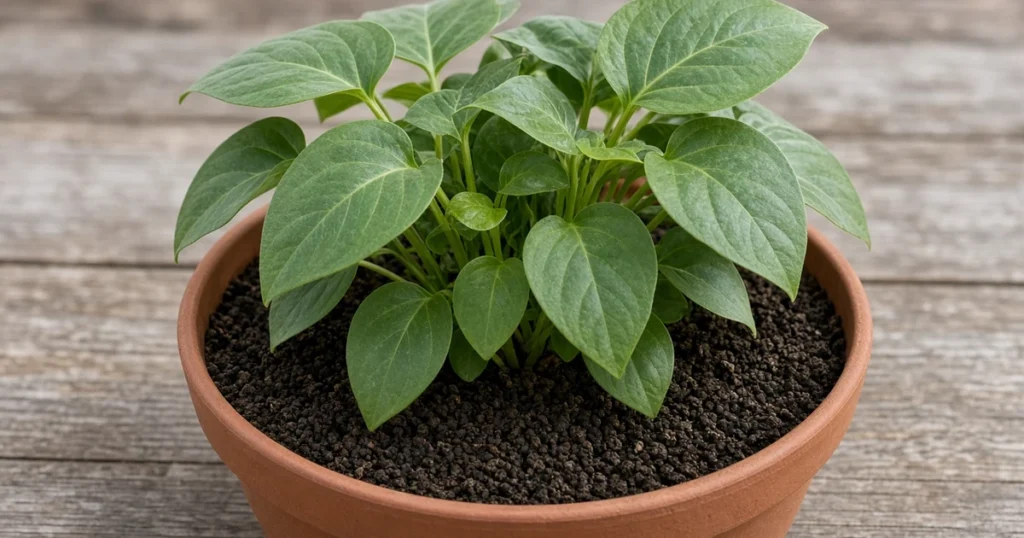
Use a modest amount, set it a little away from stems, scratch it in or cover it and water well. Mississippi State University Extension suggests about one quarter to one half cup around the base of vegetables or flowers at planting time. The same source notes that castings do not replace fertilizer.
Worm casting top dressing means spreading a small amount of castings on the soil surface around plants instead of mixing them deep into a bed. Extension guides say castings should not touch plants directly. Work them lightly into the soil or cover them with mulch. It suits garden beds and potted plants alike.
What is a worm casting top dressing?
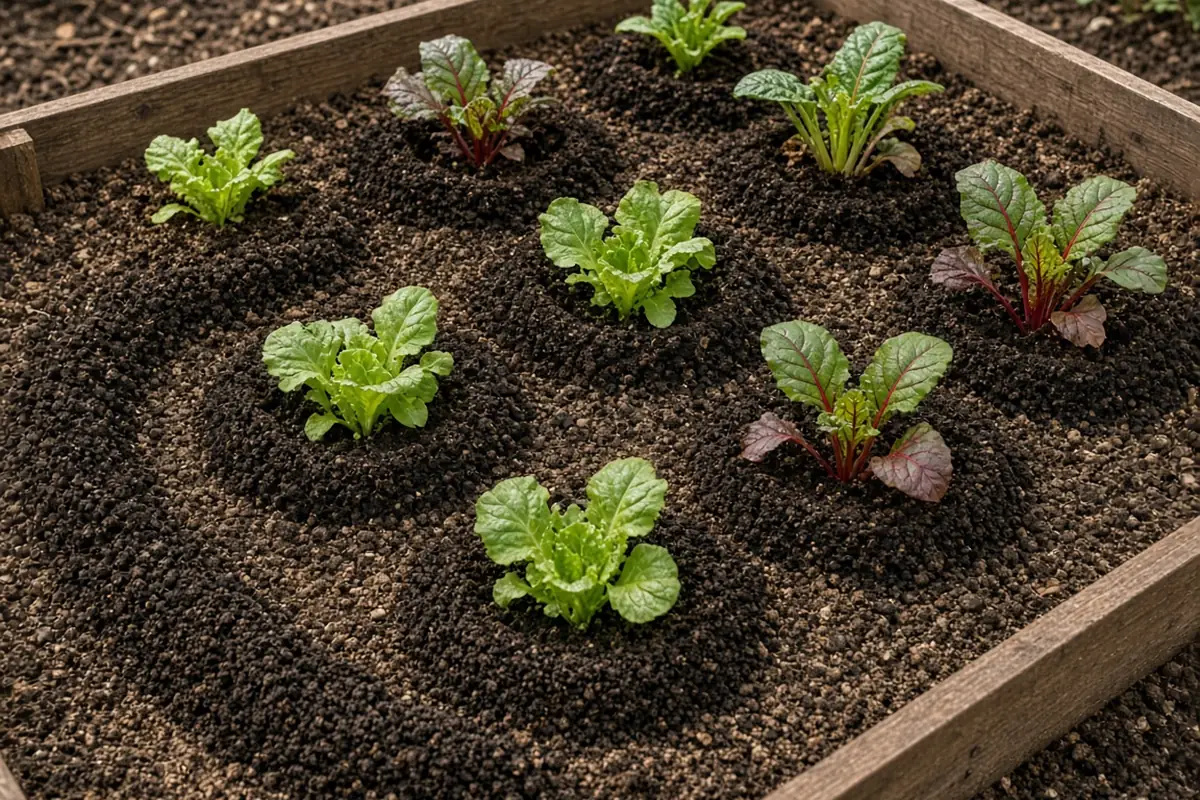
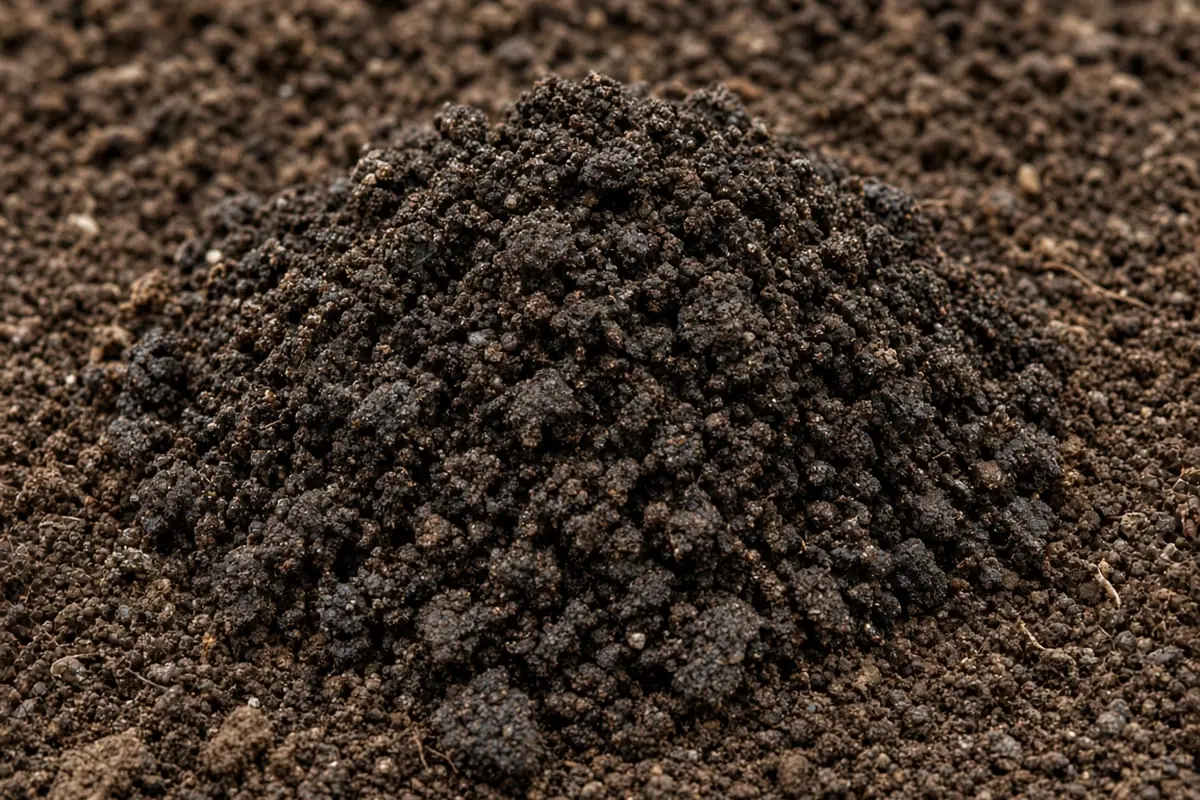
Worm castings are the material left after worms digest food scraps and bedding. A top dressing is any layer you place on the surface of the soil rather than blending it through the root zone. Utah State University Extension describes sprinkling vermicompost around the base of growing plants without touching them. NC State Extension notes that vermicompost can be used as a top dressing for container plants.
The benefit is clear. You don’t have to dig around roots, and the castings sit where rain or watering can carry their benefits down into the soil. For beds that are already planted, it’s an easy way to add organic material through the season. For more on how amendments differ from feeding products, see soil amendments vs fertilizers.
How much worm castings should you spread?
You only need a small amount. The sources below give a planting time guide and a placement rule rather than a fixed depth for every crop.
| Setting | Amount or layer | Notes |
|---|---|---|
| Vegetables or flowers at planting | About ¼ to ½ cup around the base | Mississippi State University Extension |
| Growing plants in beds | A light sprinkle around the base | Do not let castings touch the plant (Utah State University) |
| Houseplants | A light sprinkle around the plant | Place around but not directly against the plant (Utah State University) |
| Container plants | Thin top dressing | Work it in or cover with mulch to shield it from direct sun (NC State) |
Sources: Mississippi State University Extension, Utah State University Extension, NC State Extension.
Utah State University Extension notes that castings carry a slightly higher salt concentration than finished compost. That’s one more reason to use light layers and set them clear of stems and leaves.
How often should you top dress?
Extension guides do not provide a fixed schedule for repeat applications. A practical approach is to watch your plants and the soil. If the last layer has disappeared into the soil and plants are still actively growing, a fresh light layer is reasonable. Remember that castings are not a complete fertilizer, so plants that need regular feeding still need it. Our post on fertilizer and compost for growing outdoors explains how the two work together.
How to: step by step
- Pull back any mulch around the plant.
- Spread a small, even amount of castings around the base.
- Set castings a little away from stems.
- Scratch the layer lightly into the top of the soil.
- Water it in well.
- Replace the mulch so the castings stay covered and out of direct sun.
Mulch over the castings matters more than you’d think. NC State Extension recommends shielding vermicompost from direct sunlight by incorporating it or covering it. If you need ideas for materials, read mulch for cannabis, which covers common choices for beds and pots.
Troubleshooting
Crust on the surface: the layer is too thick or it has dried on top. Spread less next time, scratch it in and cover it with mulch.
Castings wash off pots: heavy watering moves loose material. Scratch the castings into the top of the mix before you water and pour slowly.
No visible change: castings aren’t a substitute for fertilizer. Stay with your normal feeding plan and count the castings as an addition to the soil, not the main food source.
Where castings fit in your garden
Top dressing is one small part of an overall soil routine. Compost, mulch and the right feeding schedule all play a part. If you grow vegetables, flowers and herbs alongside other crops, the Kind Seed Co blog has more plant care articles in the compost and soil life section.
Sources
- Vermicomposting, Utah State University Extension
- Extension Gardener Handbook, chapter 2: Composting, NC State Extension
- Vermicomposting for the Mississippi gardener, Mississippi State University Extension
FAQ
Can you top dress houseplants with worm castings?
Yes. Utah State University Extension suggests placing castings around houseplants but not directly against them. Use a light sprinkle, scratch it into the top of the potting mix and water slowly so it does not wash over the rim. Castings have a slightly higher salt level than compost, so a little is enough.
Do worm castings replace fertilizer?
No. Mississippi State University Extension notes that castings don't replace fertilizer. They can boost growth by adding life back into the soil and improving nutrient availability. Go on feeding plants as their needs require and think of castings as a soil amendment that works alongside your normal plan.
Should mulch go over the castings?
Yes, cover them. NC State Extension recommends shielding vermicompost from direct sunlight by working it into the soil or covering it with mulch. Pull the mulch back, spread the castings, scratch them in lightly, water and then put the mulch back over the top.
Can you top dress seedlings?
Go easy with young plants. Do not let castings touch stems and leaves, and use only a light sprinkle around the base. Mississippi State University Extension suggests a small amount around vegetables or flowers at planting time. Water gently so you don't disturb small roots or splash material onto leaves.
Why use light layers of castings?
Utah State University Extension notes that castings carry a slightly higher salt concentration than finished compost. That's one reason to use light layers and set them clear of stems and leaves.



