
Water Temperature for Plants: Does Cold Water Matter?
The short answer
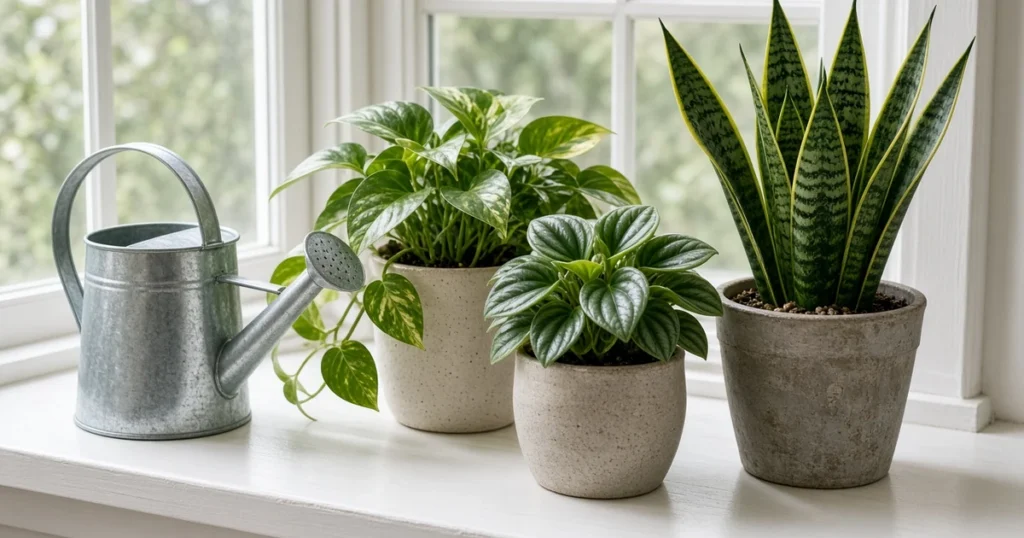
For houseplants, use water that is close to room temperature. Very cold water can harm some tropical plants and leave marks on sensitive leaves such as African violets. Water thoroughly, let it drain and empty the saucer. The Extension sources below focus on indoor plants, so the advice here sticks to what they cover.
Water temperature for plants matters most for potted houseplants. Extension guides recommend room temperature or slightly warm water for most indoor plants, since very cold water can damage some tropical species. Avoid hot water too. Clemson Extension suggests aiming for roughly 62 to 72 °F, then watering until the excess drains from the pot.
Does cold water hurt plants?
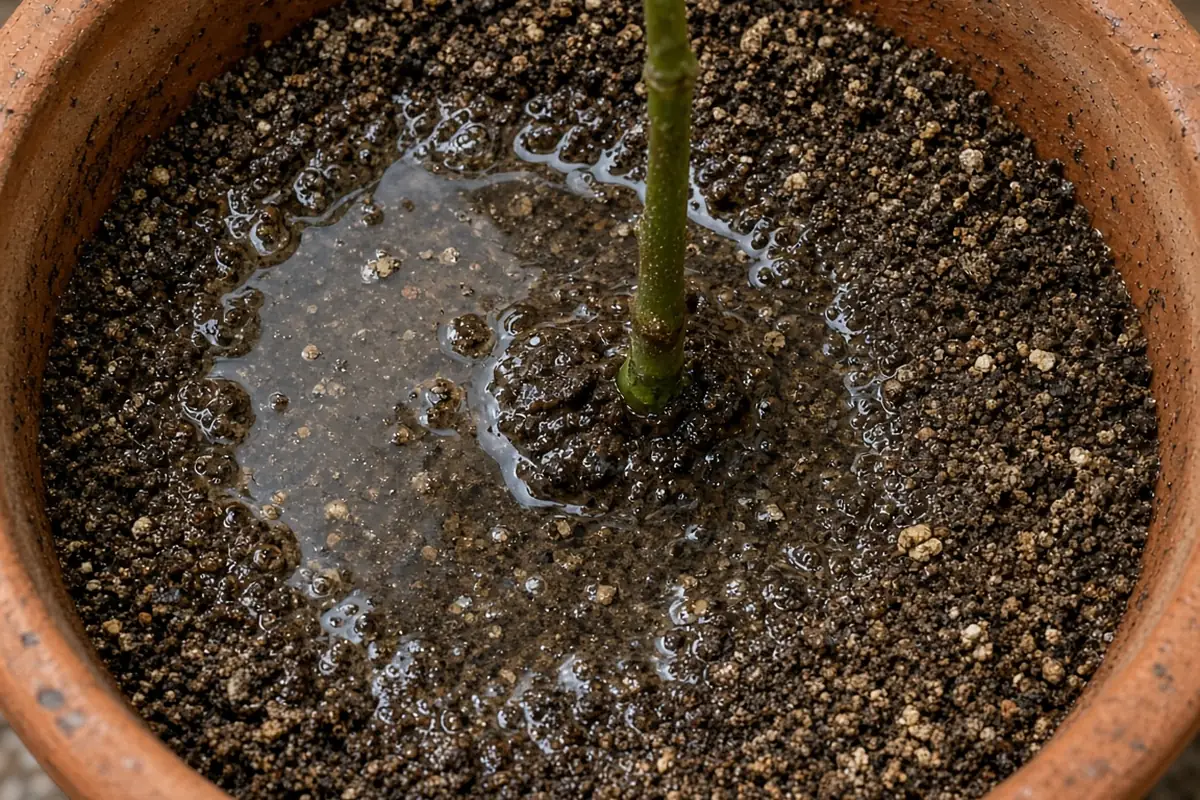
For some indoor plants, yes. University of New Hampshire Extension notes that very cold water may damage some tropical plants. African violets are a classic example. Cold water can damage their leaves, so water the soil rather than the foliage.
The concern is mainly pots grown indoors, where these Extension guides focus. If you collect rain for your containers, our article on rainwater for cannabis covers storage and use.
What water temperature is right for pots?
Room temperature or slightly warm water suits most houseplants, according to University of New Hampshire Extension. Clemson Cooperative Extension gives a practical range of about 62 to 72 °F and advises against both hot and cold water.
| Setting | Suggested water | Notes |
|---|---|---|
| Most houseplants | Room temperature or slightly warm | Very cold water can damage some tropical plants (UNH) |
| General indoor watering | About 62 to 72 °F | Avoid hot or cold water (Clemson) |
| African violets | Room temperature, applied to the soil | Cold water damages the leaves (UNH) |
| City tap water | Let it stand a day or more | Releases some chlorine and fluorine (UNH) |
Sources: University of New Hampshire Extension, Clemson Cooperative Extension.
One simple habit solves most of this. Fill your watering can after you finish watering and let it sit until next time. The water reaches room temperature, and city water loses some of its chlorine and fluorine while it stands.
Does water temperature matter in garden beds?
The Extension sources used here discuss indoor plants, not beds or hose water. For beds, the bigger questions are watering depth and frequency. Our post on checking soil moisture by feel shows a simple way to decide when beds and pots need water.
How to: step by step
- Fill a watering can ahead of time.
- Let it reach room temperature.
- Check that the potting mix is dry near the top.
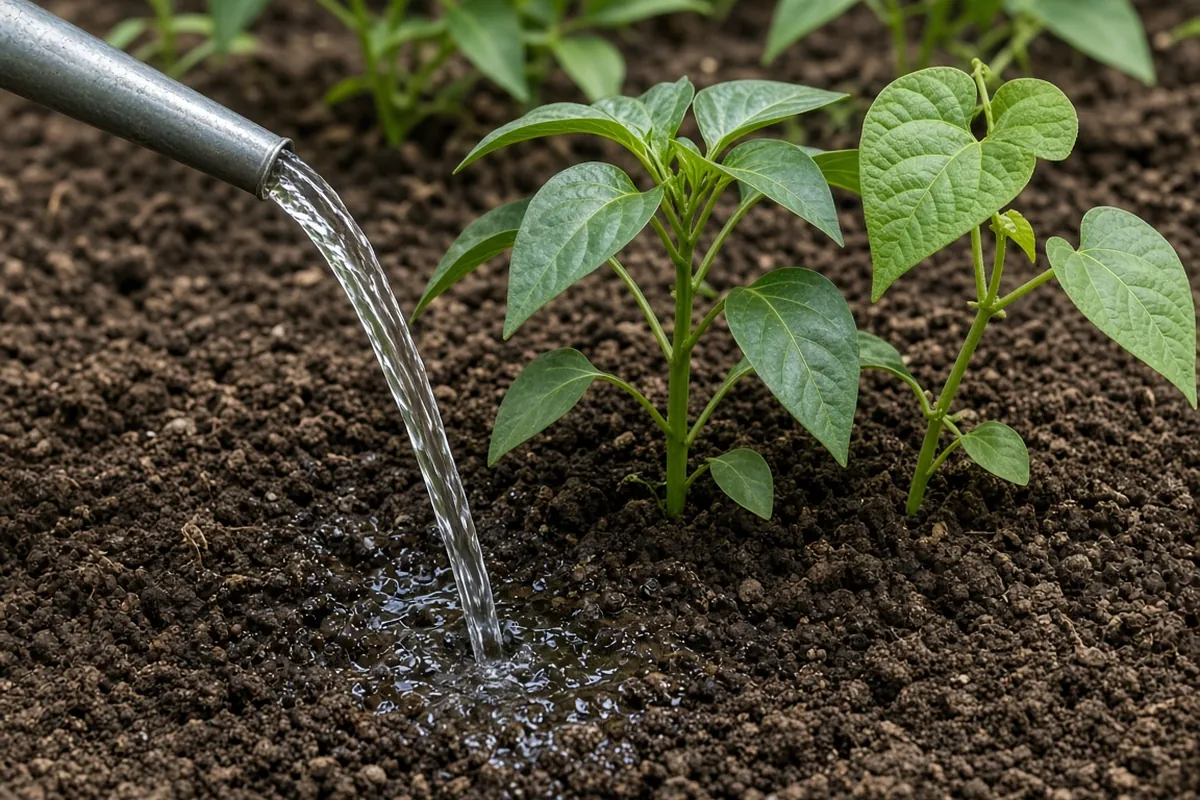
- Water slowly until it drains from the bottom of the pot.
- Empty the saucer after watering.
- Water beds deeply at the base of plants.
Clemson Extension also advises against softened water for houseplants. If your home has a softener, use an unsoftened tap or collected rainwater for your pots.
Troubleshooting
Leaf spots after watering: cold water landed on sensitive leaves. Use room temperature water and pour it onto the soil.
Soggy pots: watering too often or leaving water in the saucer. Check the mix first and empty the saucer within an hour. Read more in a comprehensive guide to overwatering and cannabis growth.
Dry patches in beds: shallow watering. Water deeper and slower at the base of plants.
More watering basics
Room temperature water is a small detail, but it fits a larger routine of watering deeply, draining well and checking the mix before you pour. The Kind Seed Co blog collects more of these topics in the watering section.
Sources
- Houseplant winter care Q and A, University of New Hampshire Extension
- Indoor plants: watering, Clemson Cooperative Extension Home and Garden Information Center
FAQ
Is warm water good for plants?
Slightly warm water is fine for most houseplants. University of New Hampshire Extension recommends room temperature or slightly warm water. Clemson Extension advises against hot water and suggests a range of about 62 to 72 degrees Fahrenheit. If the water feels close to room temperature, it's ready to use.
Can you water plants with ice cubes?
Extension experts recommend room temperature water. Very cold water can damage some tropical houseplants. Ice is as cold as water gets, so it runs against that advice. Pour room temperature water slowly onto the soil until it drains instead, then empty the saucer within an hour.
Should tap water sit before watering?
Letting it sit has two benefits. University of New Hampshire Extension notes that city water left to stand for a day or more releases some chlorine and fluorine. The water also warms to room temperature while sitting. Refill the watering can after each use so it's always ready.
Does hose water get too hot in summer?
The Extension sources used here do not address hose water or outdoor beds. For potted plants, the advice is to avoid both hot and cold water and aim for room temperature.
Can softened water go on houseplants?
Clemson Extension advises against softened water for houseplants. Use an unsoftened tap or collected rainwater for your pots instead.



