Why Are Asparagus Ferns Yellow? Fall Dieback, Beetles or Rust
The short answer
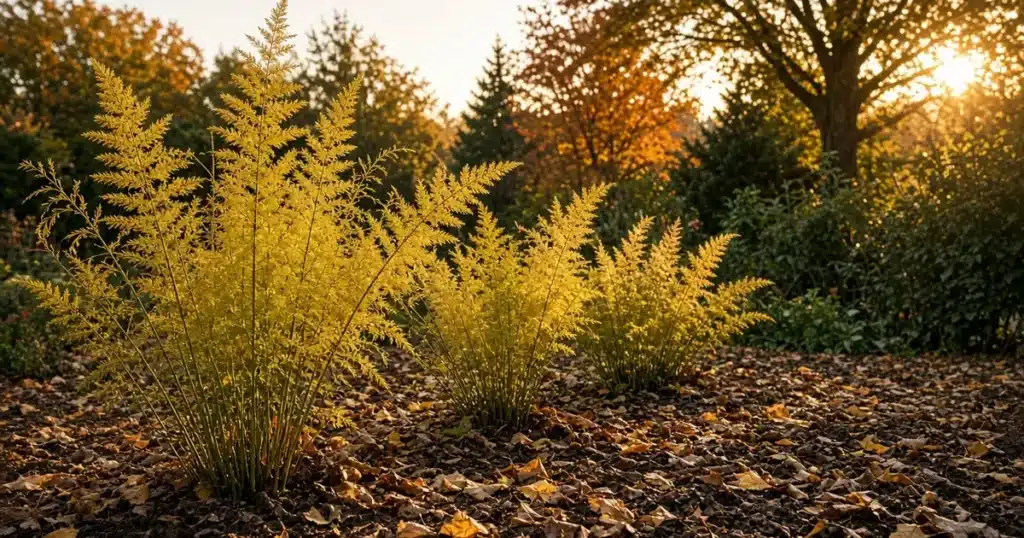
When asparagus ferns yellow in late fall, it is usually normal dieback. University of Minnesota Extension says the dying ferns move carbon and nutrients down to the roots for winter storage. Yellowing after harvest in summer points elsewhere, often to asparagus beetles feeding on the ferns or to rust, which leaves orange or brick red pustules.
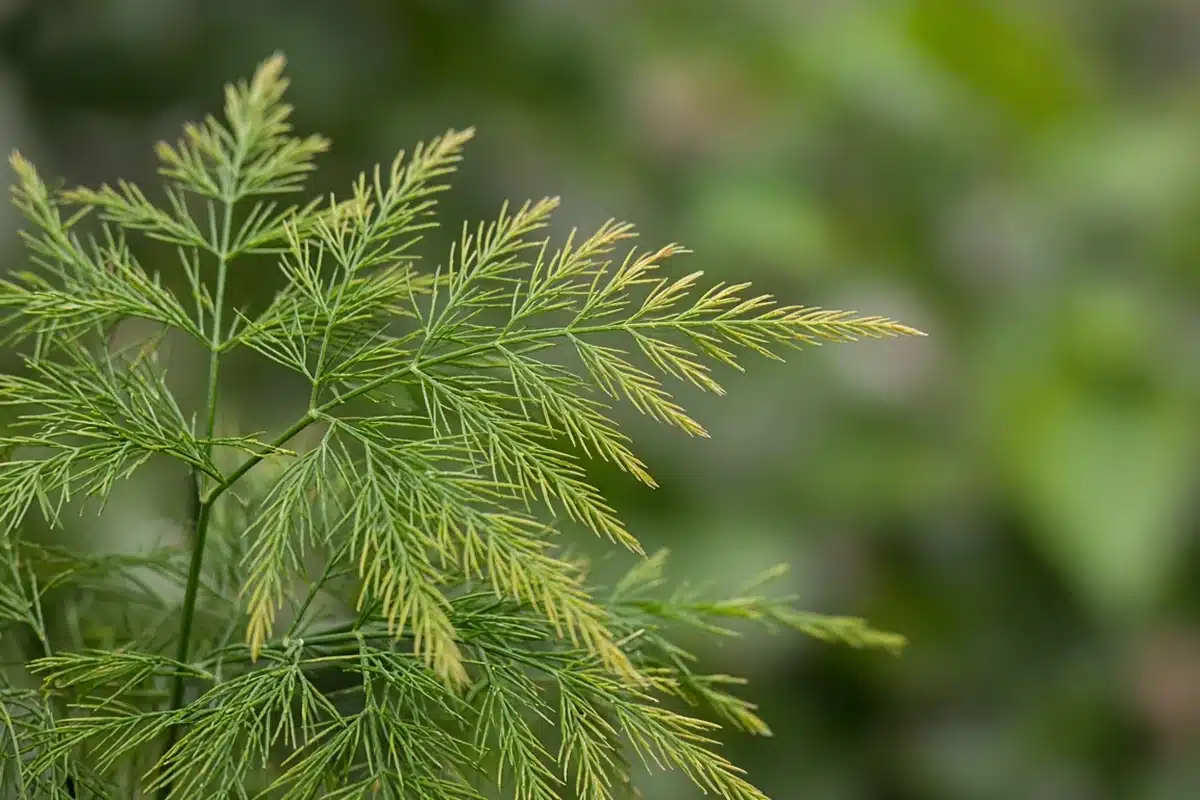
Why are my asparagus ferns turning yellow?
Timing is the first clue. After the spear harvest ends, asparagus grows tall, feathery ferns that feed the crowns for next year. University of Minnesota Extension notes that harvest stops around the end of June and the ferns then develop.
Yellow ferns in late fall are part of that cycle. Yellow or brown ferns in mid summer often mean a pest or disease is cutting the season short. For a wider look at how plants react to stress, see the effects of environmental stresses on weed plants.
Is fall yellowing normal for asparagus?
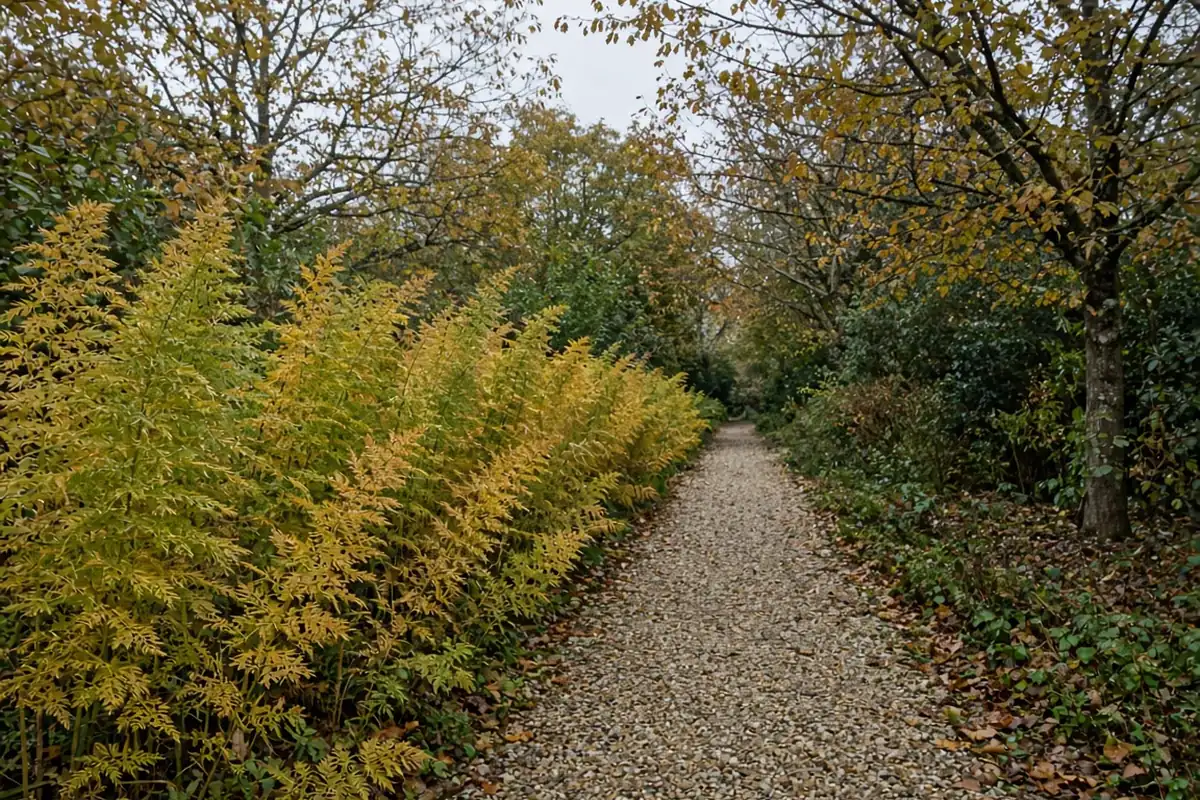
Yes. University of Minnesota Extension says asparagus ferns gradually die in the late fall, turning brown by winter. As they die, they move carbon and nutrients to the roots for winter storage.
That’s why Extension advises against cutting green ferns. Removing them while green cuts energy storage. Wait until the ferns are fully yellow or brown.
How do you tell beetles and rust from dieback?
Look closely at the ferns and stems.
| Cause | Sign | Next step |
|---|---|---|
| Fall dieback | Ferns yellow then brown in late fall | Leave until fully yellow or brown |
| Asparagus beetles | Adults, dark brown eggs in rows, larvae on ferns | Handpick into soapy water |
| Rust | Orange spots, then brick red pustules on ferns | Remove and destroy diseased ferns |
| Crown rot | Poor growth, yellow stems, brown decayed crowns | Check crowns |
Sources: University of Minnesota Extension, UC Statewide IPM Program.
Asparagus beetles. University of Minnesota Extension says the common asparagus beetle is bluish black with six cream colored spots, and the spotted asparagus beetle is reddish orange with twelve black spots. Beetles lay dark brown, oval eggs in rows on spears, ferns or flower buds. The larvae move to the ferns to feed for about two weeks. Beetles feeding on the leaves weaken the plant and reduce its ability to provide nutrients for next season.
Rust. The UC Statewide IPM Program says rust is most common on fern growth after the harvest season. Brick red pustules form on stalks, branches and leaves of the fern. Fern yellowing and browning, defoliation and dieback may follow. University of Minnesota Extension describes yellow and rusty orange spots on stems after harvest.
How to: step by step
- Note when the yellowing started.
- Check ferns for beetles, eggs and larvae, ideally in the afternoon.
- Look for orange or reddish rust spots on stems.
- Leave green ferns standing until they turn yellow or brown.
- Handpick beetles and remove rusty ferns.
- Clean up the bed once ferns are fully brown.
University of Minnesota Extension says to check for asparagus beetles in the afternoon, when they’re most active. For cleanup ideas, see fall garden cleanup after cannabis harvest.
Troubleshooting
Yellow ferns in late fall: normal dieback. Leave them until fully yellow or brown, then cut.
Chewed ferns in summer: asparagus beetles. University of Minnesota Extension says to handpick them and drop them in a pail of soapy water. More pest ideas are in ways to guard marijuana plants from pests.
Rusty spots on stems: rust. The UC Statewide IPM Program advises improving airflow and cutting and destroying diseased ferns at the end of the fern season.
Yellow stems and poor growth: possible crown rot. University of Minnesota Extension says infected crowns are brown and decayed when cut open.
Letting the ferns finish
Yellow asparagus ferns in late fall are a sign that the plant is storing energy for spring. Summer yellowing calls for a closer look at beetles and rust. The Kind Seed Co blog covers more garden plants beyond cannabis, so check back for seasonal tips.
Sources
- Harvesting asparagus, University of Minnesota Extension
- Growing asparagus in home gardens, University of Minnesota Extension
- Asparagus beetles, University of Minnesota Extension
- Rust, asparagus pest management guidelines, UC Statewide IPM Program
FAQ
When should asparagus ferns be cut back?
University of Minnesota Extension says to remove ferns once they are completely yellow or brown, in late fall or early spring. Late fall is preferred when possible because it removes insect pests that overwinter in the ferns. Do not remove green ferns, since that decreases energy storage in the plants.
Do yellow ferns hurt next year's spears?
Not when the yellowing is fall dieback. University of Minnesota Extension says the dying ferns move carbon and nutrients to the roots for winter. Early yellowing from beetles is different. Extension says beetle feeding weakens the plant and reduces its ability to provide nutrients for the following season.
Should you till asparagus ferns into the soil?
No. University of Minnesota Extension advises against tilling ferns into the soil, since it adds relatively little organic matter and can create insect pest problems. In spring, Extension suggests removing ferns from the bed and burning or composting them elsewhere to reduce overwintering beetles and pathogens.
Should you harvest spears from weak plants?
University of Minnesota Extension says to begin harvest only if the plants grew well the previous season. In the first year of harvest, pick for only two weeks, then let the spears grow into ferns. Some gardeners skip the second year harvest entirely to let plants build reserves.
How do you spot rust early?
The UC Statewide IPM Program says spring infections can show as light green patches on new spears that mature into yellow or pale orange pustules in rings. Later, brick red pustules form on fern stalks, branches and leaves. Look for rust most often on fern growth after harvest ends.