Potatoes Not Flowering: Weather, Heat and Why It Often Does Not Matter
The short answer
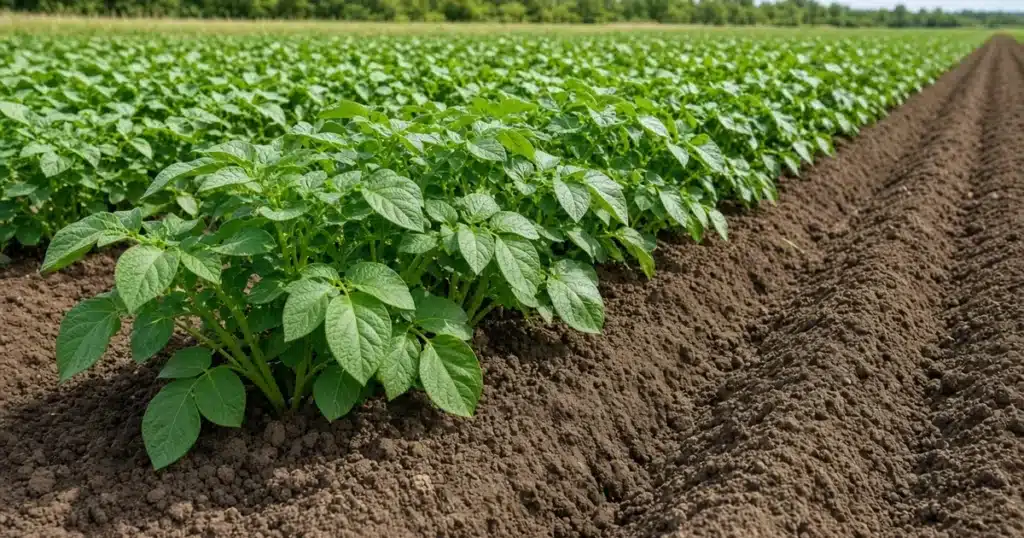
Potatoes not flowering is common and usually not a problem. An Extension expert notes that potatoes don’t always bloom and bloom most often in cool, wet early summers. University of Tennessee Extension says flowering is not always a reliable sign of tuber development, so plants without blooms can still set a crop below ground.
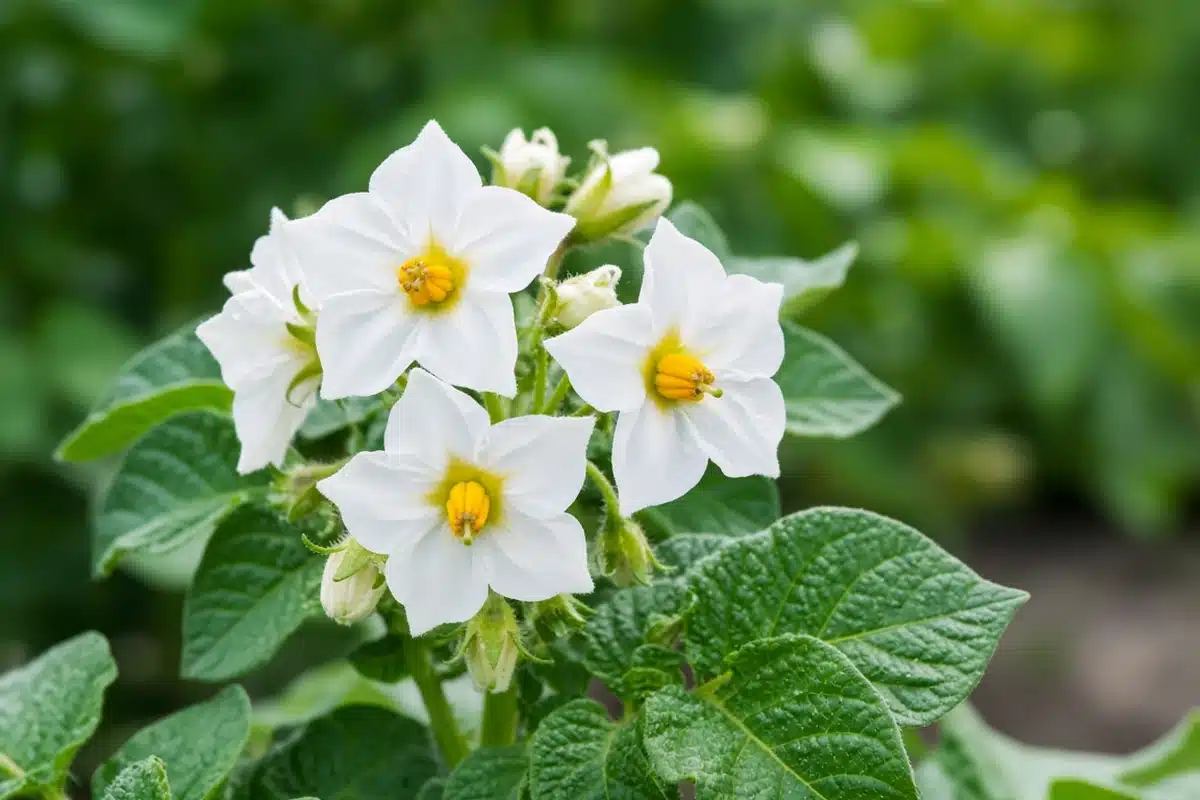
Why are my potato plants not flowering?
Weather plays a big part. An expert answer on Ask Extension says potatoes don’t always bloom, and that they bloom most when early summer is cool and wet. In other years, plants may not bloom at all.
Heat affects potatoes in other ways too. South Dakota State University Extension says the optimal soil temperature for potato tuber formation is 68 degrees Fahrenheit, and tuber formation stops at 86 degrees. University of Tennessee Extension adds that optimum potato growth is at 50 to 60 degrees Fahrenheit. For a wider look at heat on plants, see cannabis heat stress.
What affects potato flowering and tubers?
| Factor | Effect | Notes |
|---|---|---|
| Cool, wet early summer | Blooming is most common | Ask Extension |
| Flowers present or absent | Not a reliable sign of tubers | University of Tennessee Extension |
| Soil above 80 F | Little tuber formation | University of Tennessee Extension |
| Soil at 86 F | Tuber formation stops | South Dakota State University Extension |
| Warm nights over 72 F | Slower growth | South Dakota State University Extension |
| Uneven moisture | Deformed tubers | University of Tennessee Extension |
Sources: Ask Extension, University of Tennessee Extension, South Dakota State University Extension.
Do potatoes need to flower to make tubers?
No. University of Tennessee Extension says flowering is not always a reliable indicator of tuber development. The Ask Extension expert adds that blooming and fruiting don’t affect the plant much.
Moisture and soil temperature matter more. Tennessee Extension says even moisture is essential for tuber formation and that deformation often happens when water is uneven. It suggests irrigation when rainfall is under 1 to 2 inches a week. South Dakota State University Extension notes that high night temperatures also inhibit tubers, with growth slowing above 72 degrees and stopping above 77 degrees Fahrenheit.
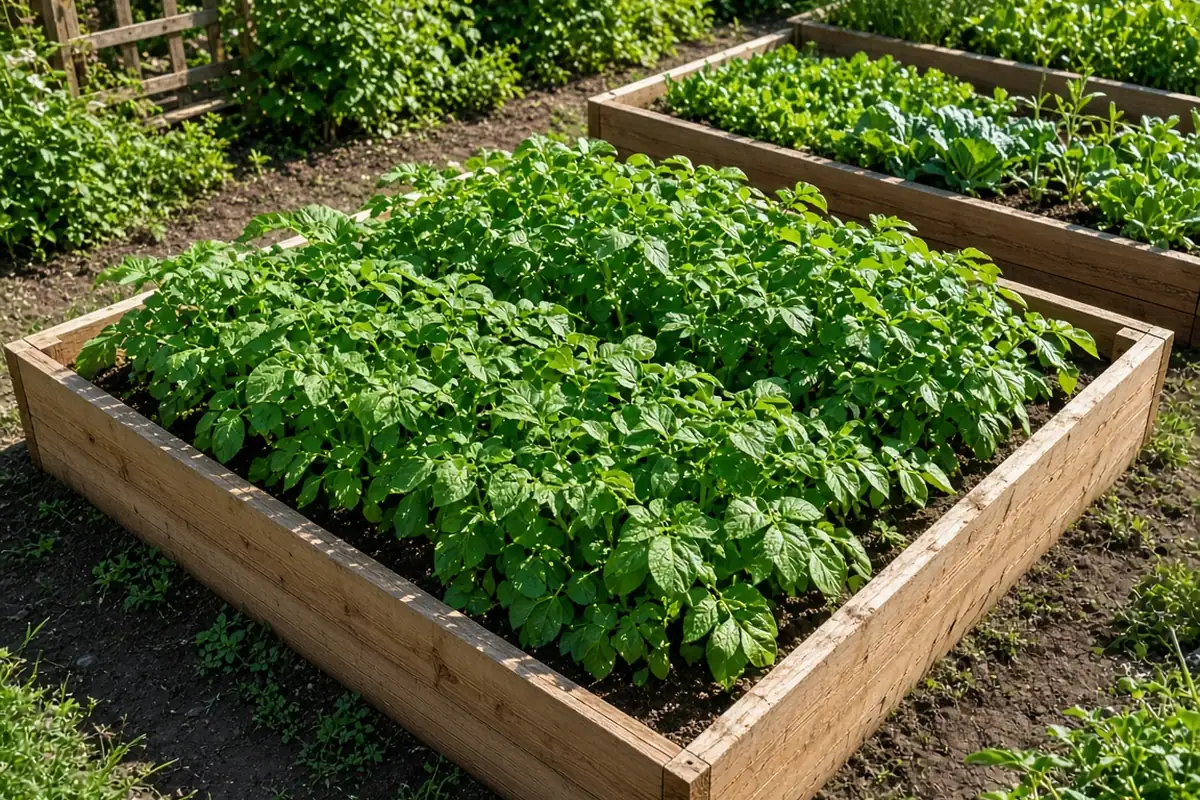
How to: step by step
- Note the weather since planting.
- Note any recent hot spells.
- Look for green, growing foliage.
- Water evenly, about 1 to 2 inches a week in total.
- Mulch to cool the soil in hot weather.
- Gently dig at one plant to check for small tubers.
South Dakota State University Extension suggests watering deeply and mulching to cut soil temperatures and water loss in hot spells. For signs of dry soil, see underwatering cannabis.
Troubleshooting
No flowers on a green, growing plant: often weather. Potatoes bloom most in cool, wet early summers. No action needed.
Few tubers after a hot summer: heat. South Dakota State University Extension says tuber formation stops when soil reaches 86 degrees Fahrenheit. Mulch and water deeply next season.
Misshapen tubers: uneven water. University of Tennessee Extension links deformation to uneven moisture. Water on a steady schedule.
Pale, weak plants: check soil moisture and stress. Read the effects of environmental stresses on weed plants for general stress signs.
Flowers or not, check the soil
Potato flowers are a bonus, not a signal. Cool soil, even water and patience matter more than blooms. The Kind Seed Co blog covers more garden plants beyond cannabis, so check back for seasonal tips.
Sources
- Potato without flowers?, Ask Extension (Extension Foundation)
- Potatoes (Irish) for the Tennessee vegetable garden (D69), University of Tennessee Extension
- Heat causes problems with garden produce, South Dakota State University Extension
- What is wrong with my potato tubers? (EM 8948), Oregon State University Extension
FAQ
Should you pinch potato flowers?
There is usually no need. An expert answer on Ask Extension says blooming and fruiting don't affect the plant much. University of Tennessee Extension also notes that flowers are not always a reliable sign of tuber development. Focus on steady moisture and cooler soil, not on removing flowers.
Do potato flowers turn into fruit?
Sometimes. The Ask Extension expert says a blooming potato plant sometimes forms tiny green fruit that look like cherry tomatoes.
When do potatoes usually flower?
Ask Extension says potatoes most commonly bloom when early summer is cool and wet. In other years they may bloom little or not at all. The same expert says blooming and fruiting don't affect the plant much, so judge plants by their growth and foliage rather than by flowers.
Does flowering mean tubers are ready?
No. University of Tennessee Extension says new potatoes can often be harvested around 65 to 75 days after planting. For storage potatoes, it advises waiting until about two or three weeks after the vines die down, so the skins thicken before digging.
Can hot weather stop potatoes from forming tubers?
Yes. South Dakota State University Extension says tuber formation is optimal at a soil temperature of 68 degrees Fahrenheit and stops at 86 degrees. Night temperatures over 77 degrees stop growth altogether. Watering deeply and mulching help reduce soil temperatures during hot spells.