Azalea vs Rhododendron: Leaves plus Flowers plus Size
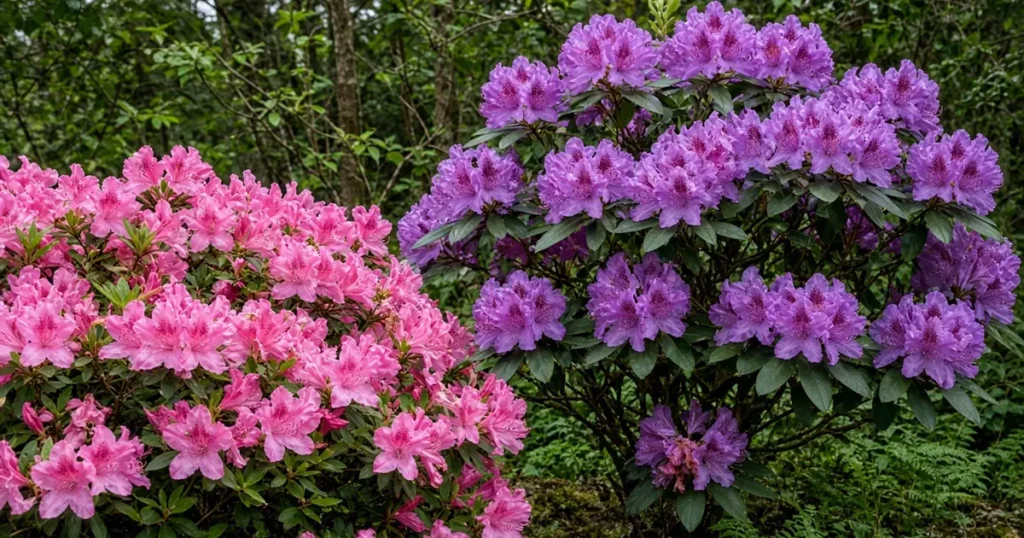
Azalea vs rhododendron is a naming question more than a botany one. All azaleas plus rhododendrons belong to the genus Rhododendron. Gardeners use azalea for native deciduous species plus some evergreen Asian types. Rhododendron usually means species with large, evergreen, leathery leaves.
The short answer
Azaleas are rhododendrons. University of Missouri Extension notes taxonomists place all azaleas plus rhododendrons in the genus Rhododendron, so either name is botanically sound. Plants called rhododendrons usually have large, leathery evergreen leaves plus bell shaped flowers. Both need acid, well drained soil plus filtered sun.
Are azaleas rhododendrons?
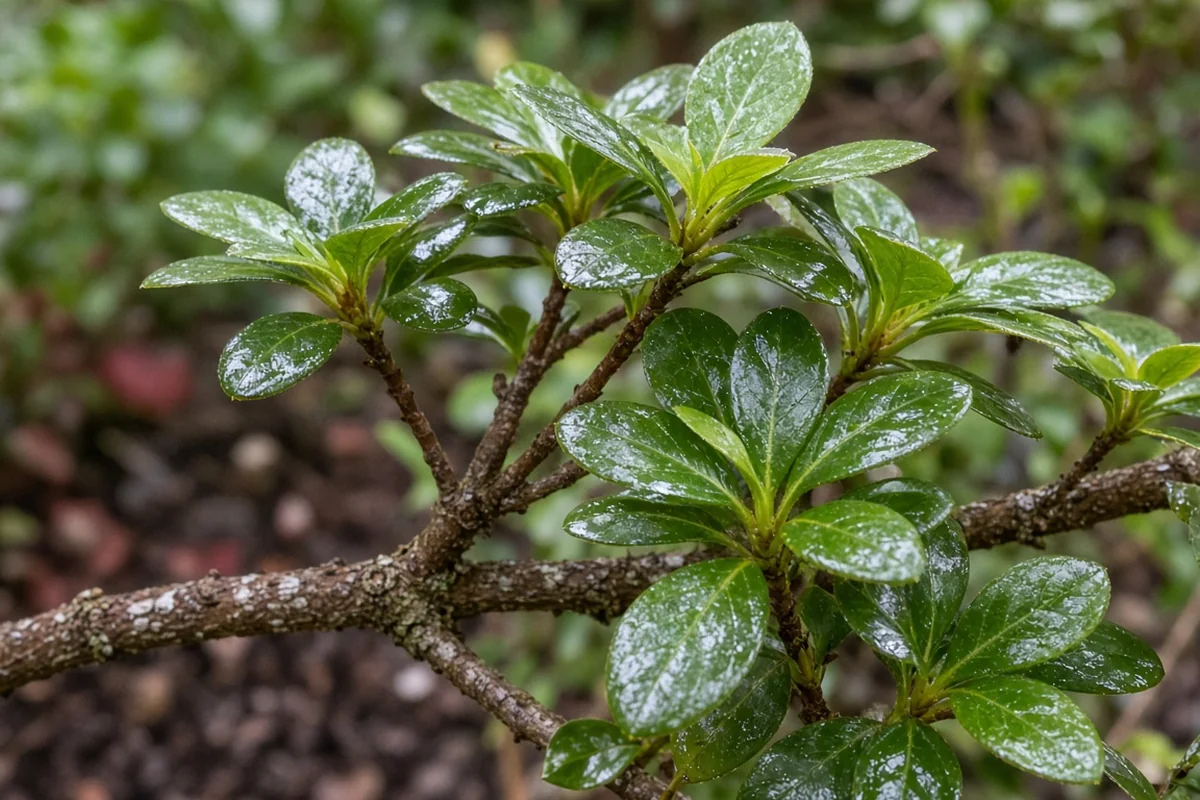
Yes. University of Missouri Extension notes plant taxonomists classify all azaleas plus rhododendrons in the genus Rhododendron. The name azalea is commonly used for native deciduous species plus some evergreen Asian types. Clemson Extension also notes azaleas are classified in the genus Rhododendron.
Whatever the name, the culture for these plants is very similar. University of Missouri Extension notes the same practices also suit blueberries, Pieris, heather plus holly.
How do the leaves differ?
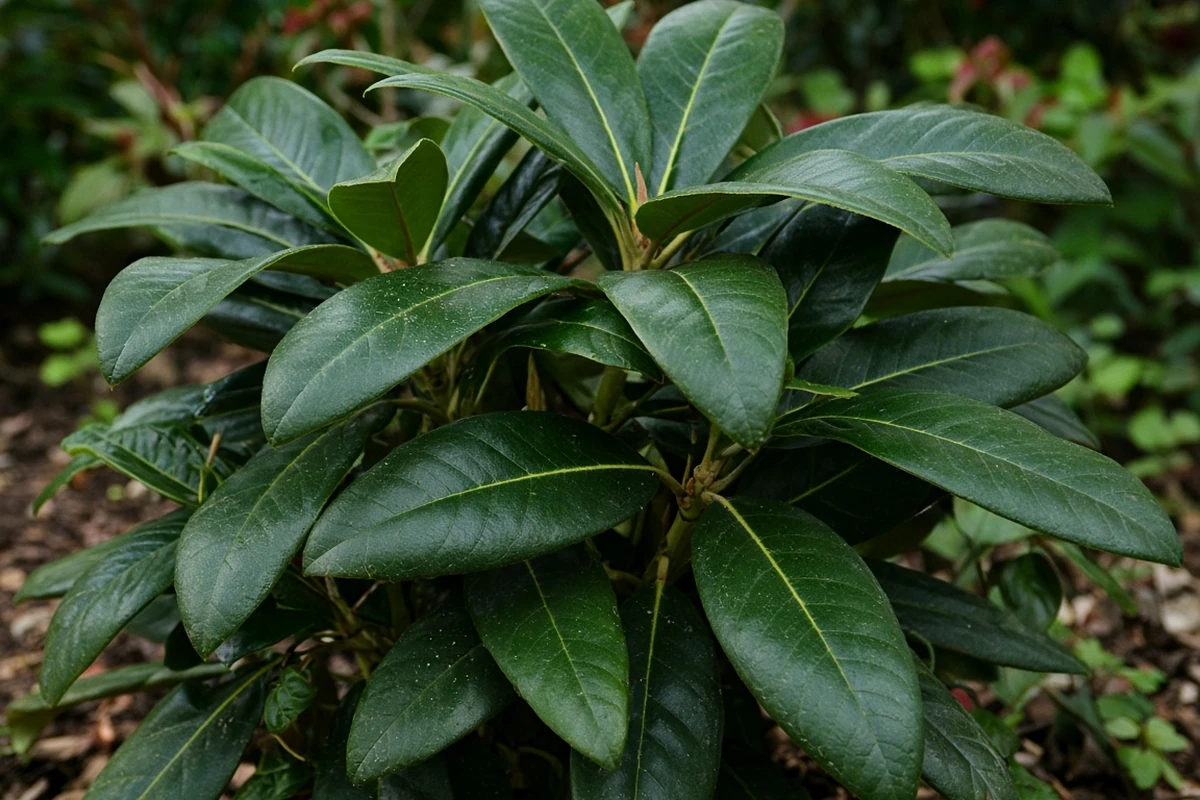
Plants sold as rhododendrons often bear large, leathery leaves. NC State Extension describes Catawba rhododendron with long, leathery leaves in tiers, crowded at the branch tips. It is a large broadleaf evergreen that typically grows 6 to 10 feet tall.
Azaleas differ more. University of Missouri Extension notes Kurume hybrids are the most popular evergreen azaleas. UF/IFAS notes most native azaleas are deciduous. Kurume hybrids grow 3 to 5 feet tall, while the dwarf Red Ruffle grows 2 to 3 feet tall.
| Trait | Azalea | Rhododendron |
|---|---|---|
| Genus | Rhododendron | Rhododendron |
| Leaves | Deciduous or evergreen | Usually large, leathery, evergreen |
| Example size | Kurume hybrids 3 to 5 feet | Catawba 6 to 10 feet |
| Flowers | Many forms by hybrid group | Catawba has large bell shaped flowers |
| Soil pH | 4.5 to 6.0 | 5.0 to 5.5 preferred |
| Light | Partial shade | Filtered sun, afternoon shade |
Source: UF/IFAS plus NC State Extension plus Clemson Extension plus University of Missouri Extension.
Do they need the same soil?
Yes. University of Missouri Extension notes both must have acid soil. Most thrive at a soil pH between 5.0 plus 5.5. Clemson Extension gives a range of 4.5 to 6.0 for azaleas in well drained, organic soil.
Drainage counts most. Their fine roots cannot enter heavy or rocky soil. University of Missouri Extension advises digging a bed 18 inches deep plus at least 30 inches wide. If water stays in a 6 inch hole for four hours, build a raised bed.
How to: step by step
- Choose a site with filtered sun plus shelter from wind.
- Check that a 6 inch hole drains within four hours.
- Dig a bed 18 inches deep with plenty of organic matter.
- Bring the soil pH to about 5.0 to 5.5.
- Space plants 3 to 4 feet apart.
- Spread 2 to 3 inches of organic mulch.
Troubleshooting
Yellow leaves with green veins: iron chlorosis from soil that is not acid enough. Check soil pH plus lower it with sulfur or iron sulfate.
Leaf scorch or split bark: wind exposure. Plant where buildings or evergreens block the wind.
Plants decline in wet soil: poor drainage. Set the root ball 2 inches higher than the surrounding soil, or build a raised bed.
For related reading see cannabis leaf anatomy, growing cannabis near trees plus planning an outdoor cannabis garden layout. Kind Seed Co also stocks cannabis seeds.
Sources
- Growing azaleas and rhododendrons, University of Missouri Extension
- Azalea care, Clemson Cooperative Extension HGIC
- Azaleas, UF/IFAS Gardening Solutions
- Rhododendron catawbiense, NC State Extension Gardener Plant Toolbox
FAQ
Can azaleas and rhododendrons grow together?
Yes. University of Missouri Extension notes their culture is very similar. Planting them in groups makes more efficient use of prepared soil. Space plants 3 to 4 feet apart plus at least 18 inches from the bed edge. Site the bed away from shallow rooted trees such as maple, ash or elm.
Do they need shade?
Partial shade suits them. University of Missouri Extension notes dense shade is not satisfactory. Filtered sunlight is ideal, while morning sun with shade after 1 p.m. also works. Clemson Extension notes heavy shade leads to poor flowering plus weak growth. Flowers last longer when plants get partial shade.
When should they be pruned?
Just after spring flowering. Clemson Extension advises pruning azaleas then to reduce the impact on next year's flowers. University of Missouri Extension notes there is little need for pruning. If growth becomes excessive, reduce size with light pruning. NC State Extension notes rhododendron blooms appear on old growth, so timing matters.
Why are my leaves yellow?
Iron chlorosis is a common cause. University of Missouri Extension notes leaves that yellow between green veins point to iron deficiency. Soil that is not acid enough, poor drainage plus root injury can all cause it. Clemson Extension advises checking soil pH first before adding any iron.
How much mulch do azaleas need?
Use a 2 to 3 inch layer. Clemson Extension notes organic mulch conserves soil moisture, holds soil temperature even plus discourages weeds. Pine straw, composted pine bark plus leaves all work well. Pull mulch a couple of inches back from the main stem plus extend it beyond the outermost branches.