
Breaking Prairie Sod for a New Garden Bed
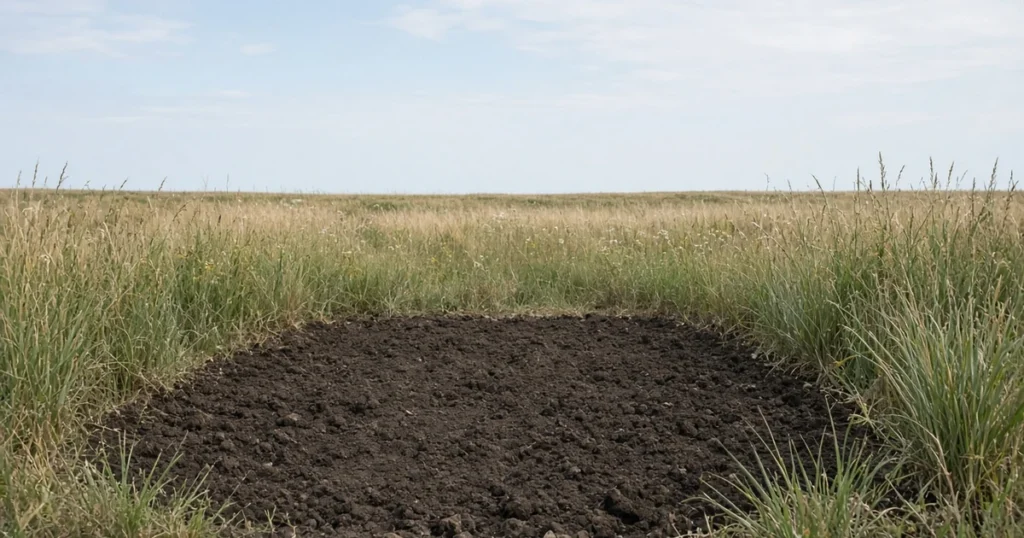
Breaking prairie sod for a new garden takes patience. Penn State Extension says perennial prairie plants root very deeply. Iowa State University Extension lists smothering, heavy mulching, digging and tilling as ways to clear grass for a new bed. Each swaps time for labor.
The short answer
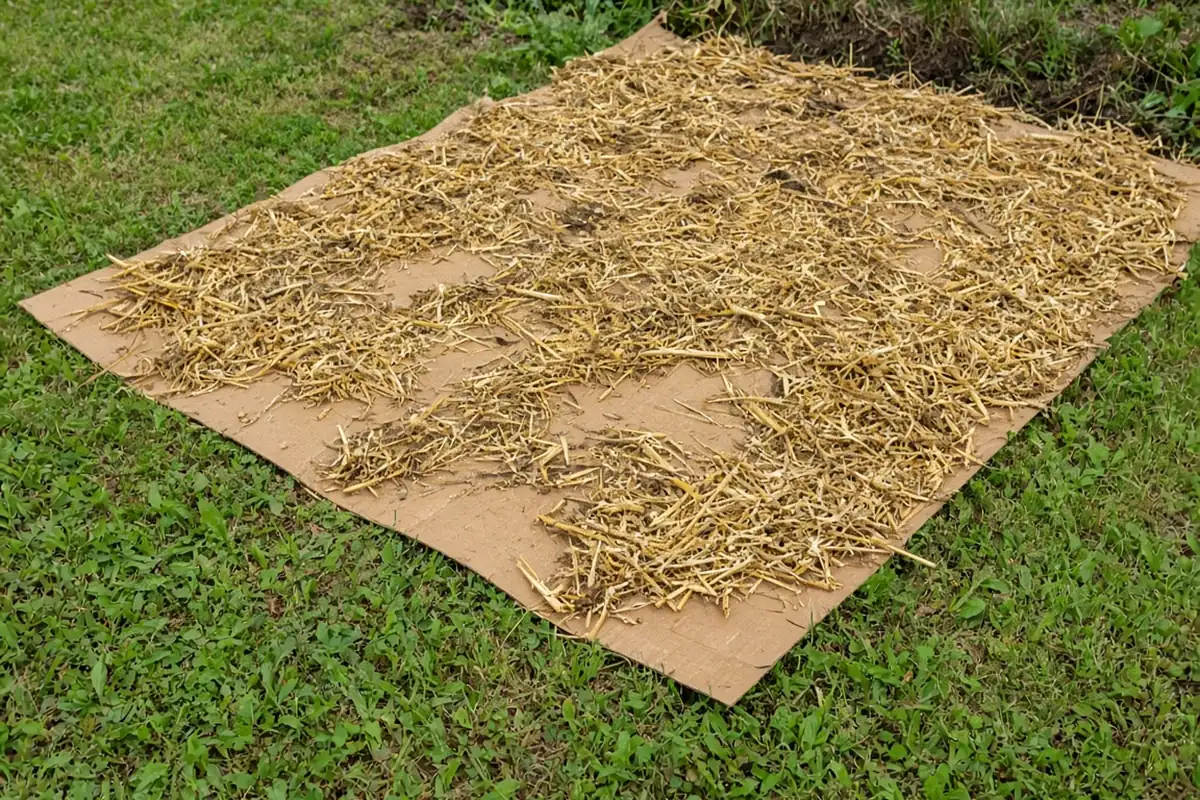
Smother the sod with cardboard and mulch if you can wait a few months. Iowa State suggests starting in fall for spring planting. Dig or till if you need the bed sooner, but expect more labor, and tilled roots can resprout. Mulch the cleared bed quickly to limit new weeds.
Why is prairie sod hard to break?
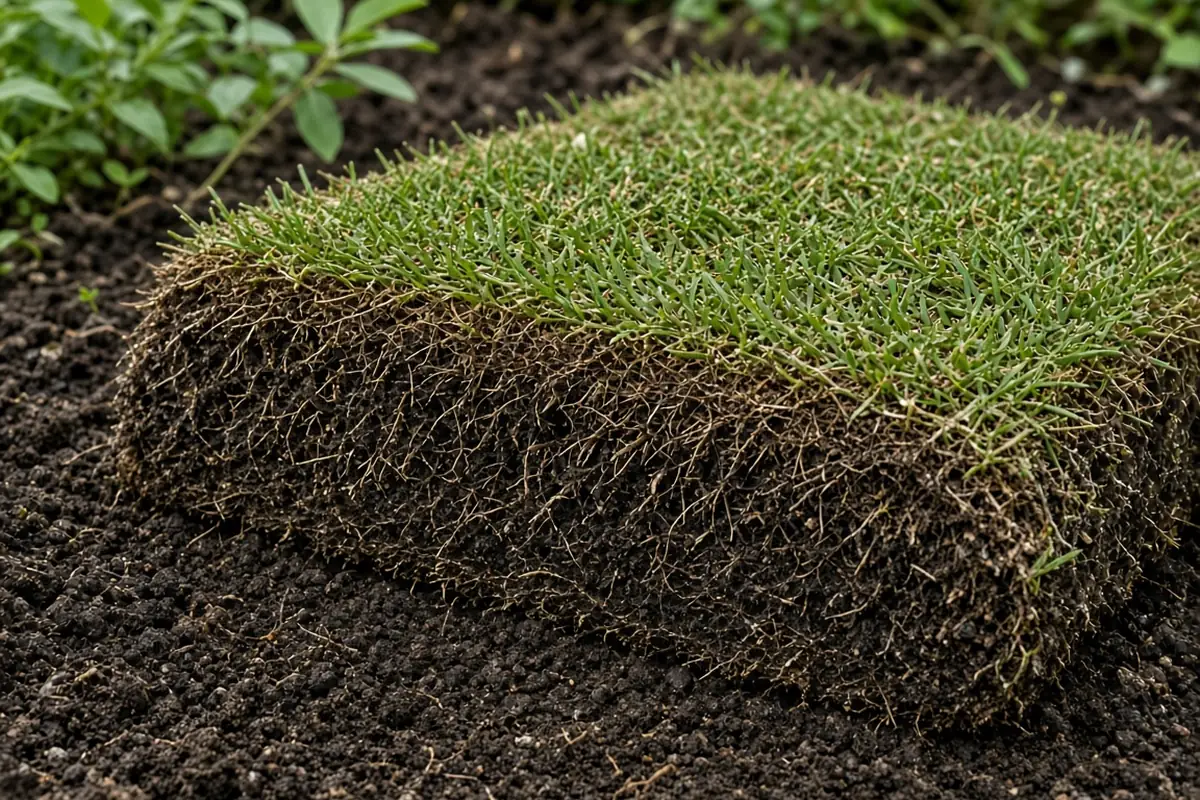
Deep roots. Penn State says perennial prairie plants put their first year into roots, and prairies hold a high share of grasses. Iowa State says tilling can chop up plants and roots that resprout easily. Tilling can also raise weed seeds and degrade soil structure. Layout ideas are in planning an outdoor cannabis garden layout.
Is smothering or digging the right choice?
Time and effort decide it. Iowa State calls smothering one of the least labor intensive methods but also one of the slowest. Digging with a spade, fork or sod cutter clears ground quickly but is hard physical work. Tilling also works fast and leaves more organic matter in place. More on mulch is in mulch for cannabis.
| Method | Speed | Notes |
|---|---|---|
| Cardboard or newspaper | Several months | Start in fall for spring |
| Plastic | Often 6 to 8 weeks | Heat can kill soil organisms |
| Heavy wood chip mulch | Several weeks | At least 8 inches deep |
| Digging | Same day | Hard physical labor |
| Tilling | Same day | Roots can resprout |
Source: Iowa State University Extension.
How long does it take to turn sod into a bed?
University of Vermont Extension says cardboard and mulch break down over about four to six months, after which you can plant directly into the bed. Oregon State says the cardboard layer breaks down after several months, depending on soil type and region. Soil building tips are in soil amendments vs fertilizers.
How to: step by step
- Mark the new bed with a hose or rope.
- Mow the grass as low as possible.
- Lay plain brown cardboard and overlap edges 8 to 10 inches.
- Soak the cardboard and cover it with compost or bark mulch.
- Wait several months for the grass to die back.
- Plant through the layers in spring.
Troubleshooting
Grass pushing through: gaps in the cardboard. Vermont says to leave no open turf showing.
Clumps regrowing after tilling: root pieces resprout. Pull new growth.
Hard soil after digging: working wet soil causes compaction. Iowa State says to avoid overly wet soil.
Kind Seed Co shares these garden notes for growers of all kinds. For compost ideas see fertilizer and compost for outdoor grows.
Sources
- How to kill grass to create a new garden bed, Iowa State University Extension, Yard and Garden
- Sheet mulching for lawn to garden conversion, University of Vermont Extension
- Sheet mulching and lasagna composting with cardboard (EM 9559), Oregon State University Extension
- Meadows and prairies: wildlife friendly alternatives to lawn, Penn State Extension
FAQ
Can I plant right away after sheet mulching?
Iowa State says you can plant through the mulch covered paper if there is no time to wait, though watering new plants is harder.
Does tilling sod work?
Yes. It is fast, but Iowa State notes it can degrade soil structure, bring up weed seeds and leave roots that resprout.
Can I reuse the sod pieces?
Yes. Iowa State says dug sod pieces can be reused in other areas of the yard. Cut them to a manageable size since they are heavy.
When should I start?
Iowa State says starting a cardboard or newspaper bed in fall for spring planting is a good timeline.
How thick should the cardboard be?
Iowa State suggests 1 to 2 layers of cardboard. Thicker is not better since it can limit water and air reaching the soil.



