
Planting in Rocky Ground: Raised Beds and Soil Building

Planting in rocky ground gets easier when you build up, not down. University of Delaware Cooperative Extension says a raised bed makes gardening possible on rocky or poor soil. Beds also let you choose the soil your plants grow in.
The short answer
Build raised beds or mounded beds over rocky ground and fill them with topsoil and compost. Delaware suggests beds at least one foot deep. SDSU Extension notes many vegetable roots grow 6 to 12 inches down. Beds need six or more hours of direct sun and a nearby tap.
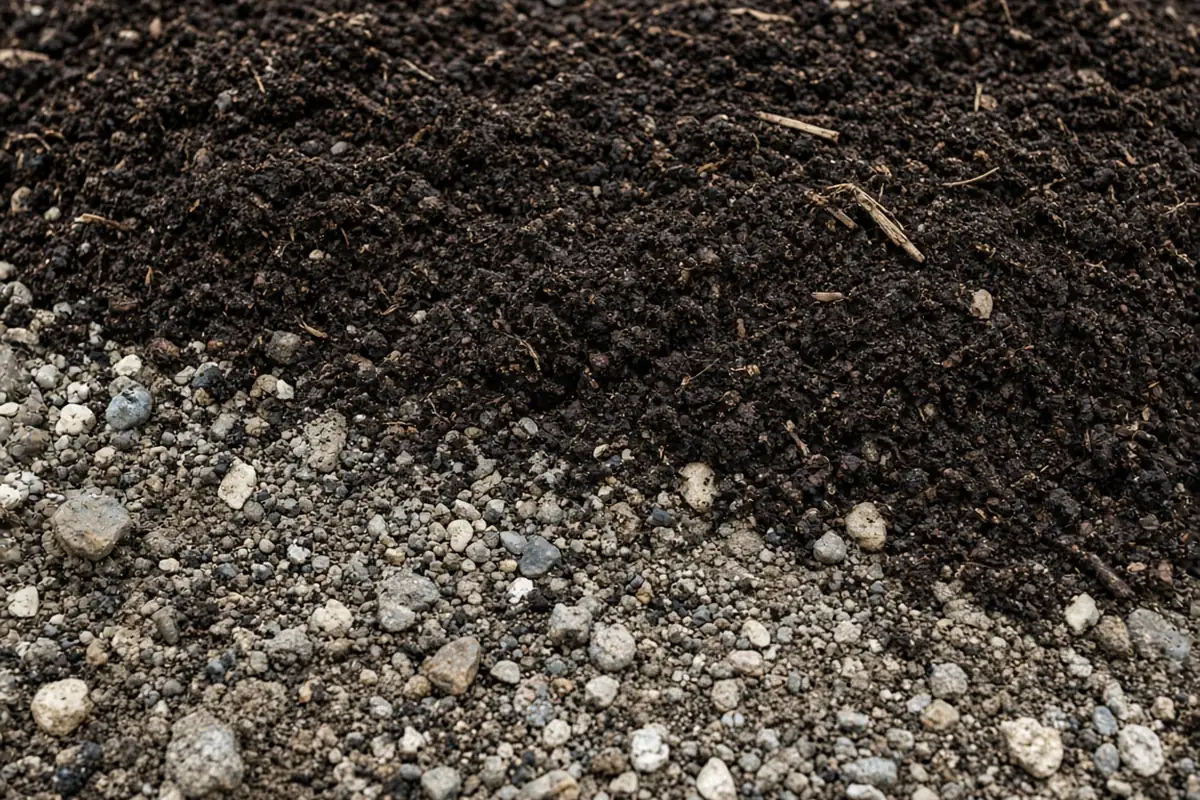
How do you garden in rocky soil?
Work above the rock. Delaware says to loosen the soil under a new bed so it isn’t compacted, then level the site. Fill the bed with a good quality topsoil and compost blend. Minnesota Extension describes the simplest raised beds as flat topped mounds six to eight inches high that need only extra soil. Layout ideas are in planning an outdoor cannabis garden layout.
Are raised beds a good fit on rocky ground?
Yes. Delaware counts better drainage and the chance to garden on poor sites as advantages. UF IFAS adds that nobody walks in raised beds, so soil stays loose and water and air move freely. SDSU notes raised beds warm up and dry out sooner in spring. Minnesota notes that taller beds need watering more often.
| Problem | Fix | Notes |
|---|---|---|
| Rock near the surface | Raised or mounded bed | Mounds 6 to 8 inches high |
| Thin soil | Bed at least 1 foot deep | Many roots grow 6 to 12 inches |
| Poor fill | Topsoil and compost mix | About 2/3 to 1/2 topsoil |
| Spare stone | Stone bed walls | Long lasting edges |
Sources: University of Delaware Cooperative Extension, SDSU Extension, University of Minnesota Extension.
Which crops handle rocky soil?
Let root depth decide. SDSU says the roots of many vegetables grow 6 to 12 inches down, while some brassicas and cucurbits reach 18 to 24 inches. Shallow beds suit the first group, deeper ones squash and cabbage relatives. More on soil inputs is in soil amendments vs fertilizers and fertilizer and compost for outdoor grows.
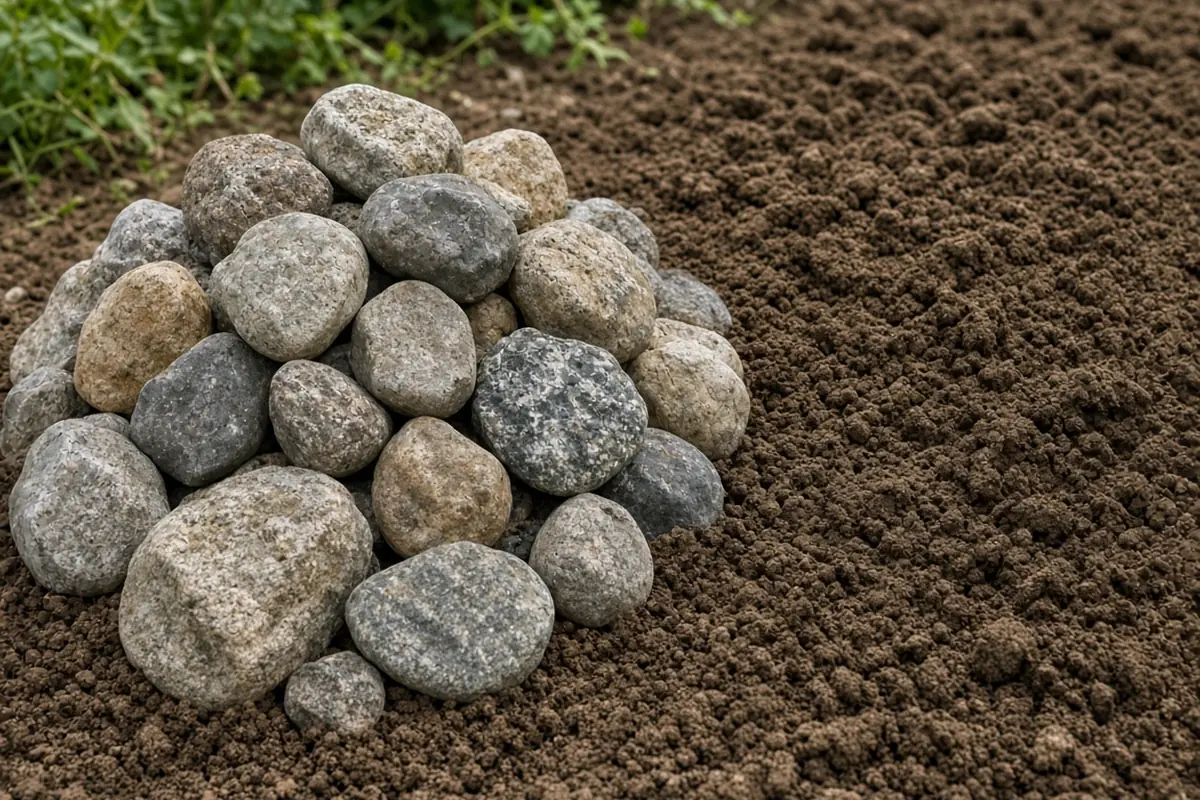
How to: step by step
- Dig a few spots to see how deep the rock sits.
- Loosen and level the ground where beds will go.
- Build raised beds or mounds over the rockiest areas.
- Fill beds with a topsoil and compost blend.
- Use spare stone for bed walls.
- Add compost as needed after a soil sample.
Troubleshooting
Beds dry out fast: tall beds and compost heavy fills lose water quickly. Water often and mulch.
Water sits in a container: SDSU says a gravel layer at the bottom of a container traps water. Leave it out of containers.
Soil settles: Delaware notes beds settle before spring. Top them up.
Kind Seed Co shares these garden notes for growers of all kinds. For mulch ideas see mulch for cannabis.
Sources
- Raised bed gardens, University of Minnesota Extension
- Raised bed gardening, University of Delaware Cooperative Extension
- Gardening in raised beds and containers in the Northern Great Plains (P 00301), South Dakota State University Extension
- Raised beds, UF IFAS Gardening Solutions
FAQ
Should I put gravel under the soil?
SDSU Extension advises against rocks or gravel at the bottom of a container. They create a perched water table that stops water draining down.
How deep should raised beds be?
University of Delaware suggests at least one foot of soil. SDSU notes some brassica and cucurbit roots reach 18 to 24 inches.
How deep do vegetable roots grow?
SDSU Extension says the roots of many vegetables grow 6 to 12 inches down, while some brassicas and cucurbits grow 18 to 24 inches deep.
Can rocks be used to edge beds?
Yes. SDSU Extension says stone raised beds can be very beautiful and long lasting. Some farmers give away fieldstone.
What soil mix fills a raised bed?
Minnesota Extension suggests about 2/3 to 1/2 topsoil with 1/2 to 1/3 plant based compost. Too much compost can dry out and repel water.



