
Broccoli Buttoning: Why Plants Form Tiny Heads and How to Prevent It
The short answer
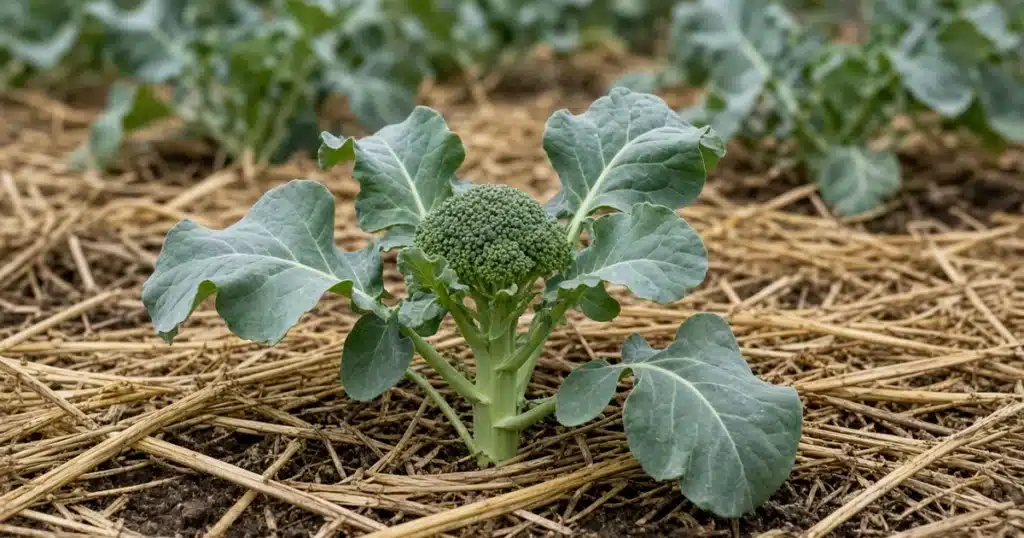
Broccoli buttoning means plants form small, early heads instead of full size ones. UC IPM and Delaware Extension link it to stress on young plants, such as cold spells, drought, low nitrogen or transplants held too long in small cells. Set out young, actively growing transplants and water and feed them steadily.
A buttoned plant looks healthy at first glance. Then you spot a head the size of a coin sitting low among the leaves. Knowing why it happens makes the next planting far more reliable.
What is broccoli buttoning?
Buttoning is a growth disorder, not a disease or a pest problem. The plant switches from leaf growth to head growth far too early.
Normally broccoli builds a big frame of leaves first, and those leaves feed a large central head later in the season.
A buttoned plant skips most of that leafy stage, and it forms a tiny head while the plant is still small. The head often opens into yellow flowers within days.
The UC IPM page on buttoning in broccoli and cauliflower describes button heads as small, premature curds on stunted plants. It ties them to checks in growth early in the plant’s life.
Cauliflower reacts to the same early stress; see cauliflower not heading.
What causes small early heads?
Most causes come down to one idea. Something stopped steady growth while the plant was young.
The University of Delaware Weekly Crop Update on cole crop disorders lists several common triggers.
Cold exposure. Several days of temperatures in the 40s can signal the plant to head early. Young plants with thick stems are the most sensitive.
Old transplants. Seedlings held for weeks in small cells become stunted. Their roots circle and stall, and the plant reacts by heading early.
Drought. Dry soil during the first weeks after planting slows growth sharply.
Low nitrogen. Hungry plants stay small and head before the frame is built.
Root damage. Rough transplanting or pests at the roots can cause the same stall.
Our post on root bound plants shows what circling roots look like and why they slow growth after planting.
| Cause | What you notice | Main fix |
|---|---|---|
| Cold spell | Heads form soon after a chilly week | Plant after hard cold passes |
| Old transplants | Stunted, woody seedlings | Set out plants at four to six weeks |
| Drought | Wilting, slow growth | Water evenly and mulch |
| Low nitrogen | Pale lower leaves | Side dress as Extension guides suggest |
| Root damage | Plants stall after planting | Handle root balls gently |
Sources: UC IPM, University of Delaware.
How do you prevent it?
Prevention starts in the seed tray. Time sowing so transplants are ready when the bed is.
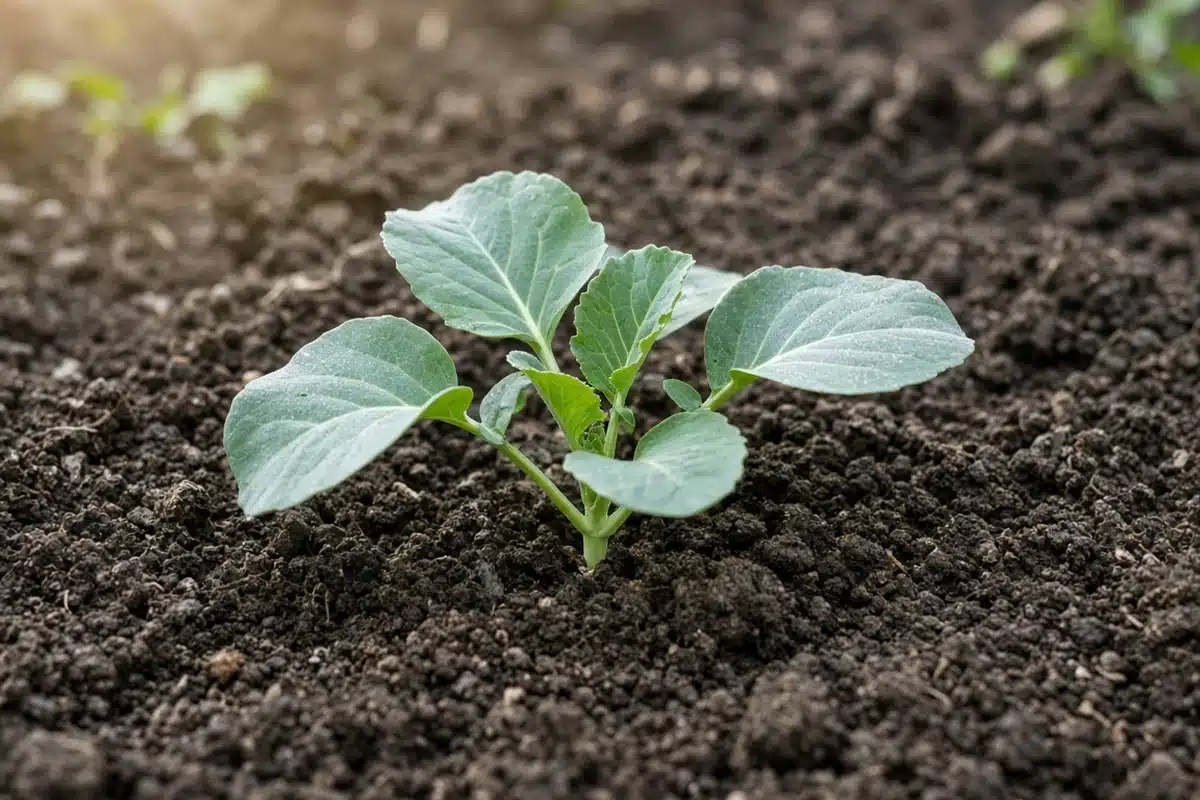
Aim for plants with four to six true leaves. They should be green, sturdy and still growing fast. Avoid seedlings that have gone purple, hard or leggy.
Harden off seedlings for about a week before planting out. Start with a few hours outdoors in shade and build up gradually. Our post on hardening off seedlings walks through a simple daily schedule.
Plant after hard cold has passed in spring. In fall plantings, set plants out early enough to size up before short, cool days arrive.
Water right after transplanting and water so the soil stays evenly moist. Broccoli has shallow roots and suffers quickly when the top few inches dry out.
Move transplants gently to limit stress. Our post on transplant shock explains how to move plants with less setback.
Feed nitrogen as your local Extension guide suggests. Many gardeners side dress a few weeks after planting, when plants start growing quickly.

How to: step by step
- Start transplants on time so they do not sit too long.
- Harden off seedlings before planting out.
- Plant after hard cold has passed.
- Water so soil stays evenly moist.
- Feed nitrogen as Extension guides suggest.
- Harvest side shoots if a button forms.
What should you do with a buttoned plant?
A buttoned head won’t grow into a full head. The plant has already committed to flowering.
Cut the small head while the buds are still tight. It tastes like regular broccoli and works well in stir fries.
Many varieties then push side shoots from the leaf joints. Go on watering and feeding, and you may get several small harvests.
If space is tight, pull the plant and replant. In many regions a quick fall crop still has time to mature.
Does spring or fall planting matter?
Spring crops face the most risk from cold snaps. Plants set out too early often sit through chilly nights and then button.
Fall crops face a different challenge. They start in heat and finish in cool weather, which broccoli prefers for heading.
Many gardeners find fall broccoli more reliable for this reason. Heads form in cool weather after the plant has built a full frame.
Note planting dates and results. After two seasons you’ll know the ideal window for your garden.
Troubleshooting
Every plant buttoned. Look first at transplant age and early weather. Both affect the whole planting at once.
Only some plants buttoned. Check for dry spots, poor soil or rough handling in that part of the bed.
Heads form then flower quickly. Heat often follows the stress. Harvest small heads as soon as you see them.
Pale leaves and small heads. Nitrogen may be low. Feed and watch the side shoots respond.
Purple, woody seedlings. These were held too long. Start the next round later.
Young plants that never stop growing make the biggest heads. Kind Seed Co shares more garden ideas in outdoor growing.
Sources
- Buttoning in broccoli and cauliflower, UC IPM, University of California, Buttoning in broccoli and cauliflower
- Physiological disorders of cole crops, University of Delaware Cooperative Extension, Weekly Crop Update, Physiological disorders of cole crops
FAQ
Can buttoned broccoli grow bigger?
No. The head has started to flower. Harvest it small and watch for side shoots.
Is buttoned broccoli edible?
Yes. Small heads taste like regular broccoli when cut before the flowers open.
Does cauliflower button too?
Yes. Cauliflower reacts to the same early stress and can form small curds.
Which varieties resist buttoning?
Some hybrids handle cold better. Check seed catalog notes for your season.
How old should broccoli transplants be?
Most do well at four to six weeks with a few true leaves.



