
Cauliflower Not Heading: Common Causes and How to Fix Them
The short answer
Cauliflower not heading usually means the plant faced stress at a key stage. Delaware Extension and UC IPM note that heat, cold snaps, drought and old transplants can stop heads or cause small ones. Choose a variety for your season, set out young plants on time and hold growth steady until harvest.
Cauliflower has a reputation as the fussiest member of the cabbage family. It rewards steady care and punishes any long pause in growth. Most heading problems trace back to a few clear causes.
Why won’t cauliflower form a head?
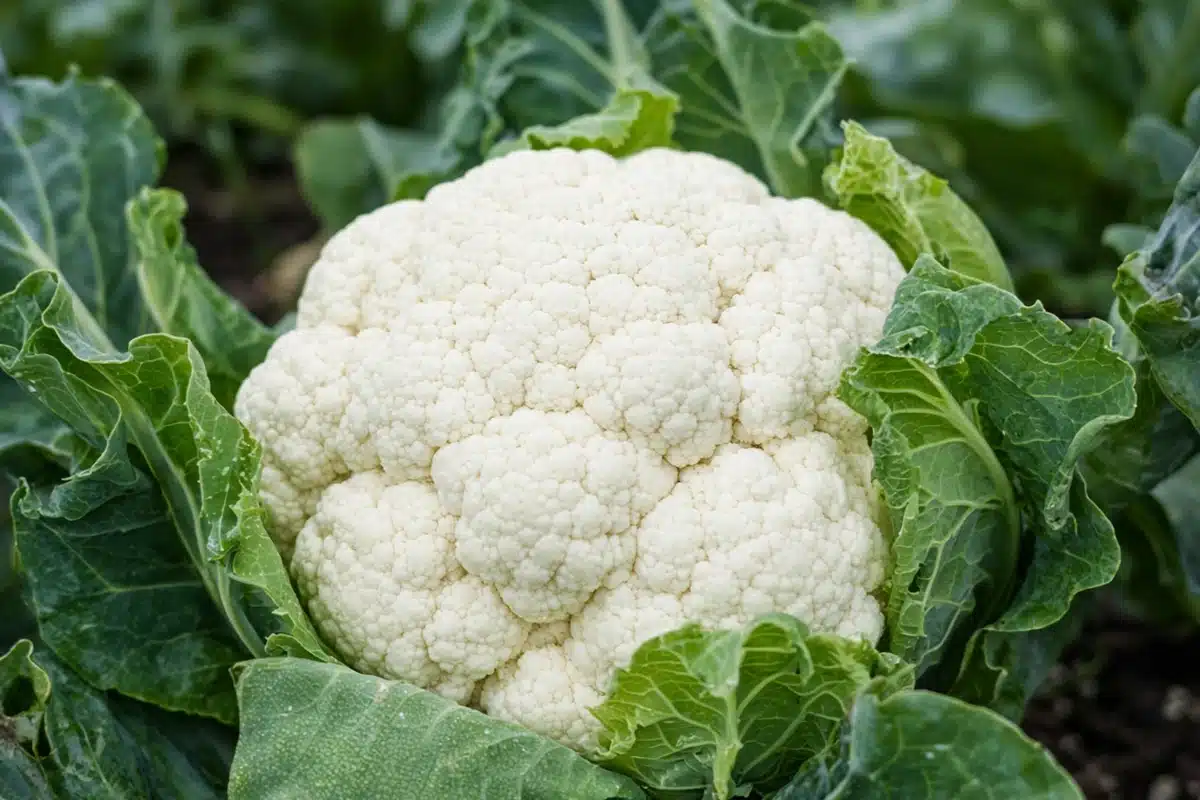
A cauliflower head, called the curd, is a mass of undeveloped flower buds. The plant forms it only after building a large frame of leaves.
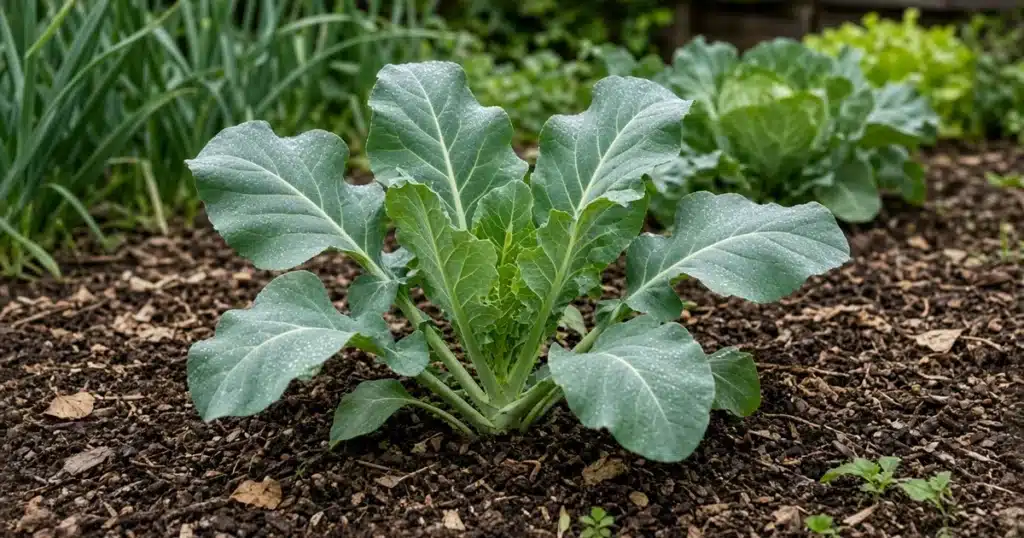
Anything that stalls that leafy growth can stop heading or shrink the curd. The University of Delaware Weekly Crop Update on cole crop disorders names several common triggers.
Heat. Hot weather while the curd forms can stop heading or leave loose, ricey heads. Leaves may grow up through the curd.
Cold snaps. A week of chilly nights soon after planting can push young plants to form tiny early heads.
Drought. Dry soil slows leaf growth, and the plant never reaches heading size.
Old transplants. Seedlings left too long in small cells often stall after planting.
Low fertility. Cauliflower needs steady nitrogen and moisture to build its frame.
The UC IPM page on buttoning in broccoli and cauliflower explains how early stress leads to tiny premature curds on stunted plants.
| Problem | Likely cause | What to change |
|---|---|---|
| No head at all | Heat or poor timing | Plant earlier or grow a fall crop |
| Tiny early head | Cold snap or old transplant | Set out young plants after cold passes |
| Loose, ricey head | Heat during heading | Time harvest for cooler weeks |
| Leaves through the curd | Heat stress | Choose a heat tolerant variety |
| Yellow or brown curd | Sun exposure | Cover the curd with leaves |
Sources: University of Delaware, UC IPM.
Broccoli shows the same stress as broccoli buttoning.
How does timing affect heading?
Cauliflower thrives in cool, even weather. Most varieties prefer days in the 60s and nights a little cooler.
Spring crops race the summer heat. Plant too late and the curds form in hot weather. Plant too early and a cold snap can trigger buttoning.
Fall crops often do better, and plants start in late summer and head as weather cools. Many gardeners get their finest cauliflower in fall.
Days to maturity on the seed packet help you plan. Count back from your expected first fall frost or first hot spell. Leave a few extra weeks for slow growth.
Our post on planning an outdoor garden layout shows how to map beds so cool season crops get the right spot and timing.
What helps plants through heat and cold?
Heat is hard on curds, so water deeply and mulch to hold roots cool. In hot spells, light shade can reduce stress during heading. Our post on heat stress explains the signs and ways to cool the root zone.
Cold early in the season is the other risk. Use row cover on chilly nights after transplanting. Our post on frost damage covers how cold harms young plants and how to protect them.
Water so the soil stays evenly moist through every stage. A single dry week can set plants back when curds are forming.
When should heads be blanched?
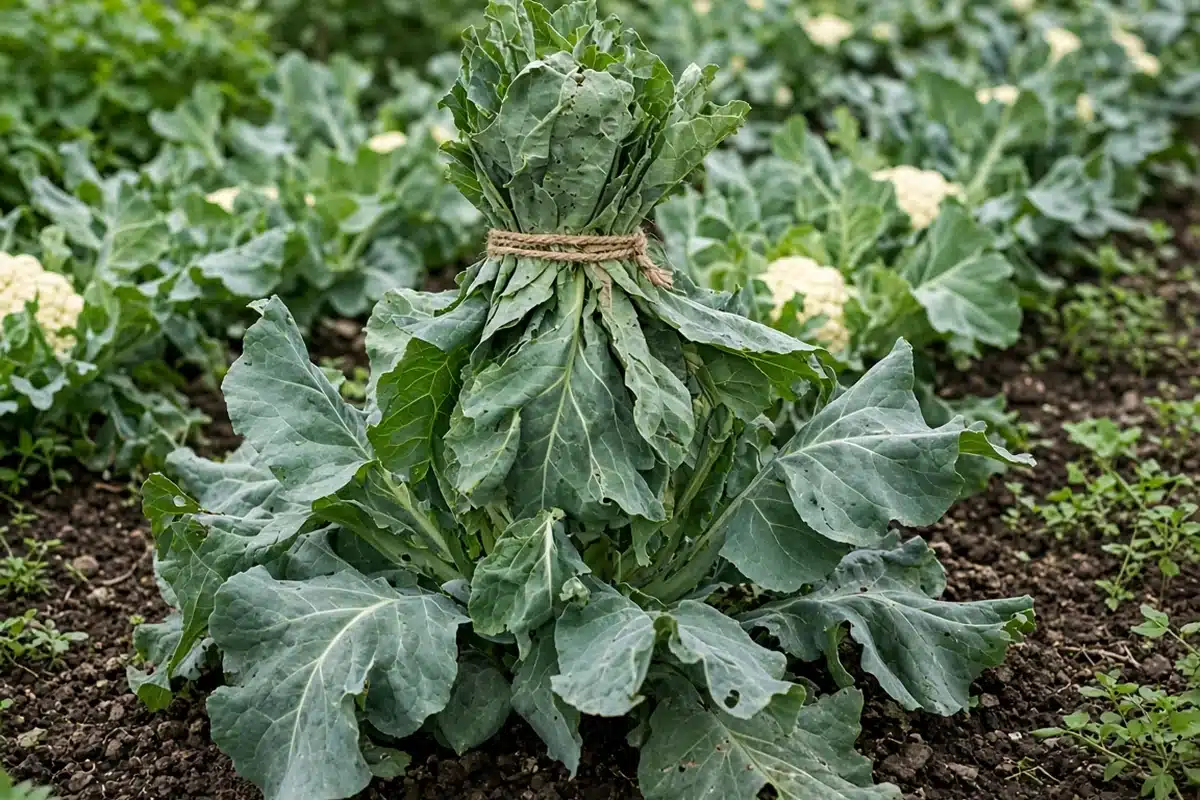
Blanching stops white curds from turning yellow or brown in the sun. It helps the flavor stay mild.
Watch for the curd once it reaches about two inches across. Fold several large outer leaves over it and tie them loosely with twine or a rubber band.
Check under the leaves often. Heads often reach harvest size within one to two weeks after tying.
Many newer varieties have self wrapping leaves that curl over the curd on their own. Colored types, such as orange, green or purple, don’t need blanching.
How to: step by step
- Pick a variety suited to your season.
- Set out young transplants on time.
- Water and feed so soil stays moist and fertile.
- Protect plants from late cold and early heat.
- Tie leaves over young heads if needed.
- Harvest while curds are tight.
When is cauliflower ready to harvest?
Harvest when the curd is firm, tight and full size for the variety. Many heads reach six to eight inches across.
Don’t wait for the head to grow larger once it starts to loosen. A loose or grainy curd means the buds are starting to open.
Cut the stem below the head with a few leaves attached to help protect it after harvest.
Unlike broccoli, most cauliflower doesn’t make useful side shoots. Pull the plant and use the bed for another crop.
Troubleshooting
Large plants, no curd. Heat may have arrived as heading began. Try a fall planting next year.
Tiny curds on small plants. The plants stalled early. Use younger transplants and plant after cold weather.
Ricey, fuzzy heads. Heat or a late harvest. Pick sooner and plan for cooler weeks.
Yellowed curds. Sunlight reached the head. Tie leaves over it earlier.
Purple tint on white curds. Sun and heat can cause it. The head is still fine to use.
Steady moisture and good timing are the core of reliable heads. Kind Seed Co shares more garden ideas in outdoor growing.
Sources
- Physiological disorders of cole crops, University of Delaware Cooperative Extension, Weekly Crop Update, Physiological disorders of cole crops
- Buttoning in broccoli and cauliflower, UC IPM, University of California, Buttoning in broccoli and cauliflower
FAQ
How long does cauliflower take to head?
Most varieties need about 50 to 100 days from transplant, based on the type.
Do all cauliflowers need blanching?
No. Self wrapping and colored types often need little or no blanching.
Can cauliflower head in summer?
It struggles in heat. Cool spring or fall weeks give better heads.
Why is my cauliflower purple?
Sun on white curds can tint them. Some varieties are purple by nature.
Will cauliflower regrow after harvest?
Usually not. Most plants make one head, so replant the bed.



