
Building a Habitat Pile: Brush and Log Piles for Backyard Wildlife
The short answer
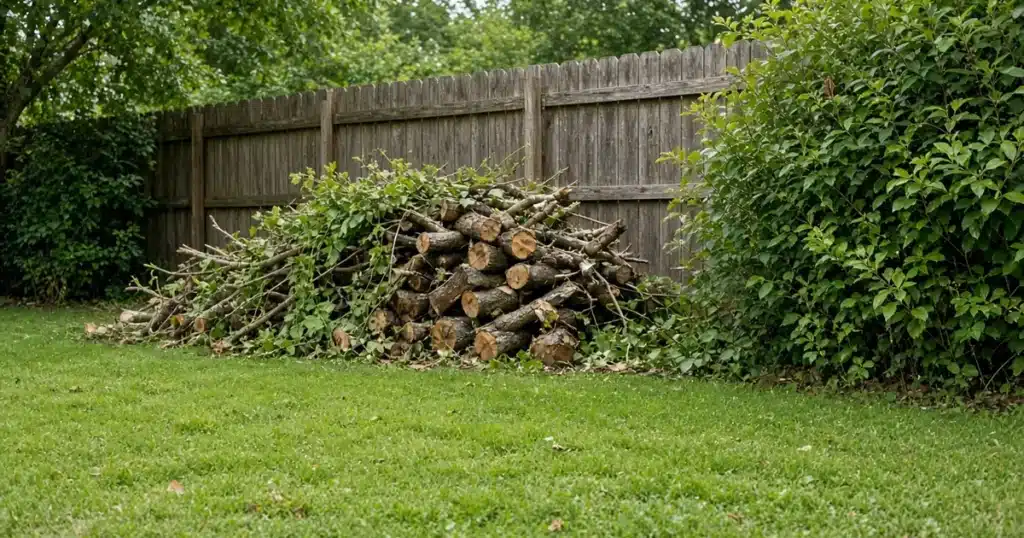
A habitat pile stacks logs and brush to give birds, pollinators and small animals cover. Maryland Extension and the USDA NRCS suggest large logs at the base with smaller branches on top, leaving gaps inside. Place it at the edge of the yard and add fresh brush as the pile settles over time.
Most yards collect branches, prunings and fallen limbs. Instead of hauling them away, you can stack them into shelter for wildlife. A well built pile gives leftover branches a second use as wildlife cover.
What is a habitat pile?
A habitat pile is a loose stack of logs, branches and brush. The gaps inside give animals a place to hide, rest and raise young.
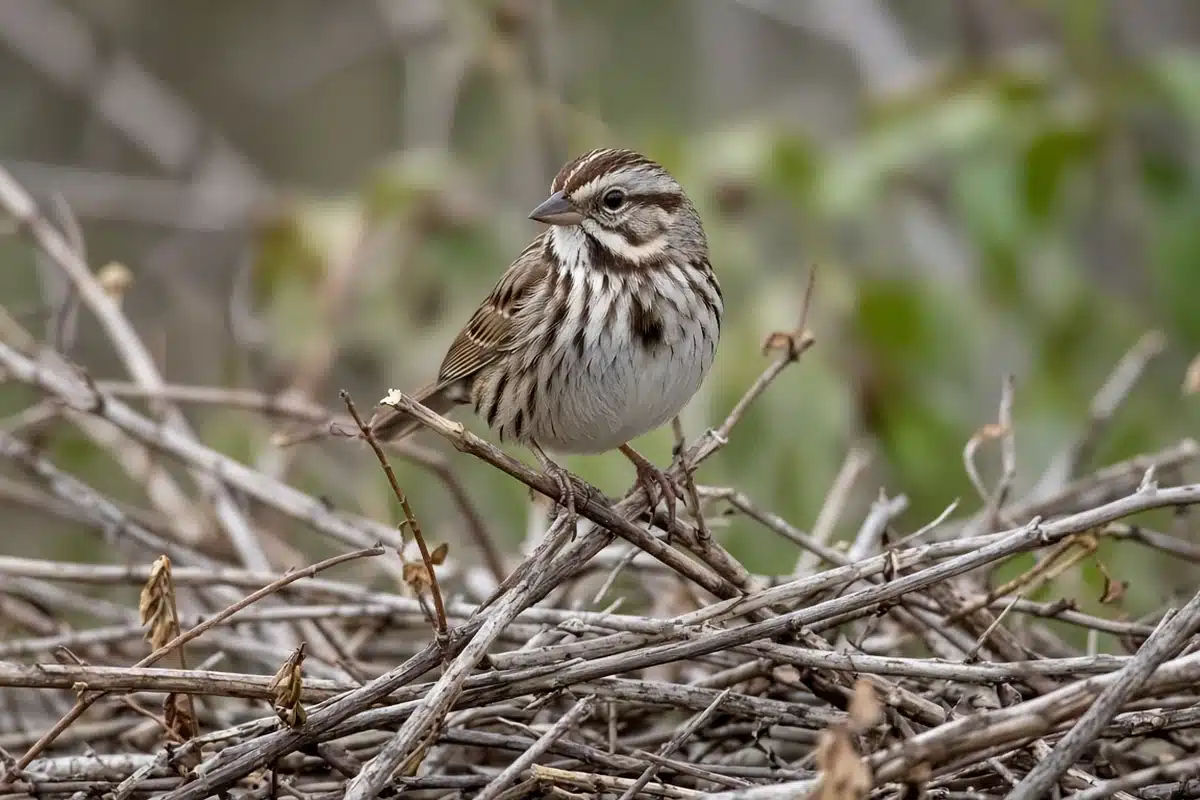
Songbirds duck into piles to escape hawks and bad weather. Rabbits, chipmunks, toads and salamanders use the lower layers. Native bees and beetles nest in the rotting wood.
The University of Maryland Extension article on building brush piles explains how piles give cover where natural shrubs are scarce. They help wildlife move through open yards.
As the wood breaks down, it feeds fungi, insects and the soil below. Slowly, the pile gives nutrients back to the ground.
Where should you put a pile?
Choose a spot at the edge of the yard. Woodland borders, fence lines and back corners work well.
Site piles away from buildings, decks and woodpiles you use for the fireplace. This steers rodents and insects away from the house.
A spot near shrubs or trees is ideal. Animals reach other cover without crossing open lawn.
Pick a spot out of view. A tidy pile in a back corner blends in.
How do you build one?
Good piles have structure. A loose heap of twigs packs down and leaves no space inside.
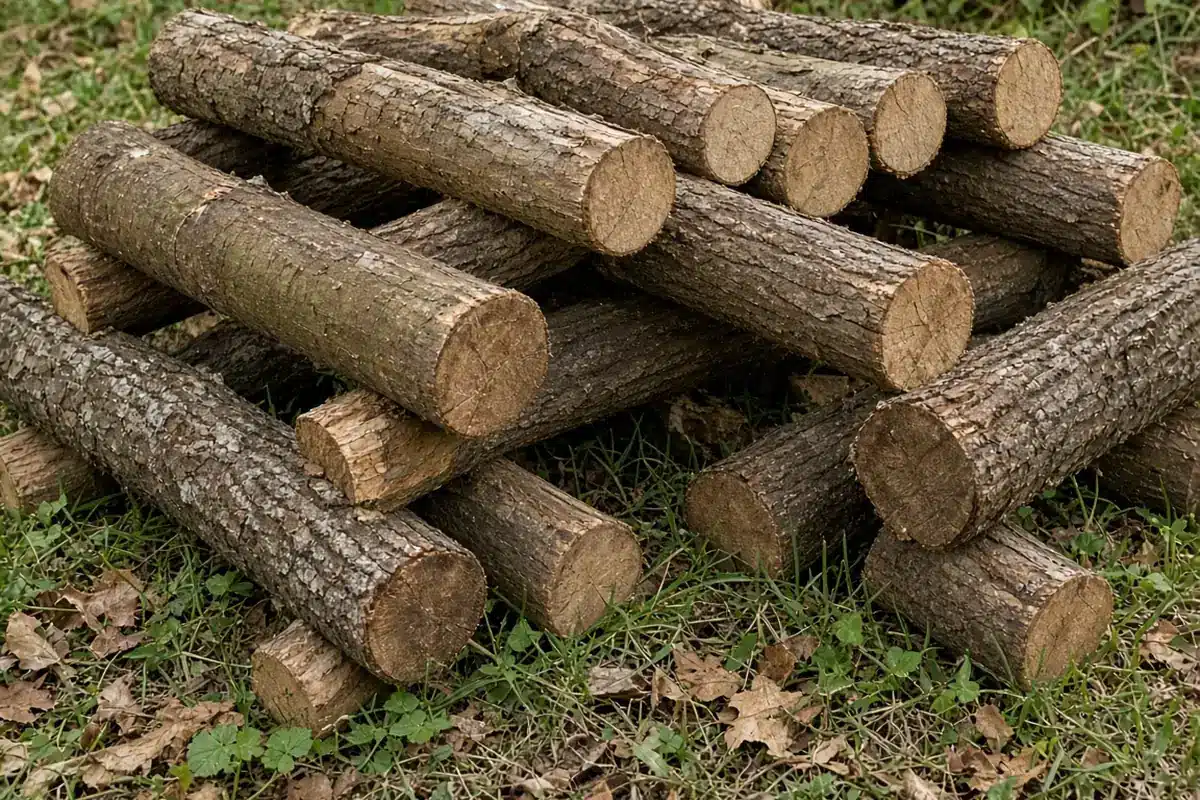
The USDA NRCS wildlife brush pile job sheet recommends a base of large logs laid in a crisscross pattern. The gaps between logs form tunnels at ground level.
Next, stack medium branches across the base. Finish with smaller brush and leafy prunings on top. The top layer sheds rain and blocks wind.
The Indiana Department of Natural Resources brush pile job sheet suggests piles about 15 feet across and 5 to 8 feet tall for the most value. Smaller piles still help in tight yards.
| Layer | Material | Purpose |
|---|---|---|
| Base | Logs 6 inches or thicker, crisscrossed | Ground tunnels and dens |
| Middle | Medium branches | Inner chambers and support |
| Top | Small brush and prunings | Cover from rain and predators |
| Edge | Leaves and grass clippings | Shelter for insects and toads |
Sources: University of Maryland Extension, USDA NRCS, Indiana Department of Natural Resources.
How to: step by step
- Pick a spot at the yard edge away from buildings.
- Pick a back corner spot.
- Lay large logs crisscross at the base.
- Add smaller branches on top.
- Leave gaps for animals to shelter.
- Add new brush as the pile settles.
Which animals will use it?
Birds come first. Wrens, sparrows, juncos and cardinals use piles for cover and winter shelter.
Small mammals such as rabbits and chipmunks move in next. Toads and salamanders hide in the damp lower layers.
Insects follow as wood softens. Beetles, ground bees and many beneficial bugs live in and around old logs. Our post on the helpful bugs for a garden explains which insects help growers.
Spiders hunt among the branches and eat many garden pests. Our post on spiders in gardens shows why they are welcome.
How do you maintain the pile?
Piles sink as the wood decays, so top them with fresh brush every year or two.
Fall pruning and storm cleanup give plenty of material. Our post on fall garden cleanup covers what to save from the garden.
Avoid adding diseased wood or invasive plant cuttings. They can spread problems around the yard.
Tuck native vines or shrubs around the edges. They soften the look and add food for birds.
Can a small yard have one?
Yes. Even a pile three or four feet across helps birds and insects.
In tidy yards, a neat stack of logs behind a shrub row blends in well. A low border of native plants hides it from view.
Troubleshooting
Pile packed flat. The base lacked large logs. Rebuild with thicker wood at the bottom.
Few birds visit. The pile may be too far from other cover. Add shrubs nearby.
Visibility issues. Move it out of sight or shape it into a neat log stack.
Pile is mostly leaves. Add branches so animals have space inside.
Wood rots away fast. Add new brush each year to hold the shape.
A stack of old wood can host a busy community of wildlife. Kind Seed Co shares more garden ideas in outdoor growing.
Sources
- Want a thriving young forest? Build some brush piles, University of Maryland Extension, Want a thriving young forest? Build some brush piles
- Wildlife brush piles (649), biology job sheet 15, USDA Natural Resources Conservation Service, Minnesota, Wildlife brush piles (649)
- Wildlife brush piles, conservation practice job sheet, Indiana Department of Natural Resources, Wildlife brush piles
FAQ
Do brush piles attract snakes?
They can host small native snakes that eat insects and rodents.
How big should a habitat pile be?
Larger piles help most, but even small piles give birds cover.
Can you use yard trimmings?
Yes. Branches and prunings make good middle and top layers.
Does a pile attract pests?
Placing it away from buildings steers rodents away from the house.
How long does a habitat pile last?
Many last several years. Add new brush as it settles.



