Cabbage Not Forming Heads: Causes Plus Fixes
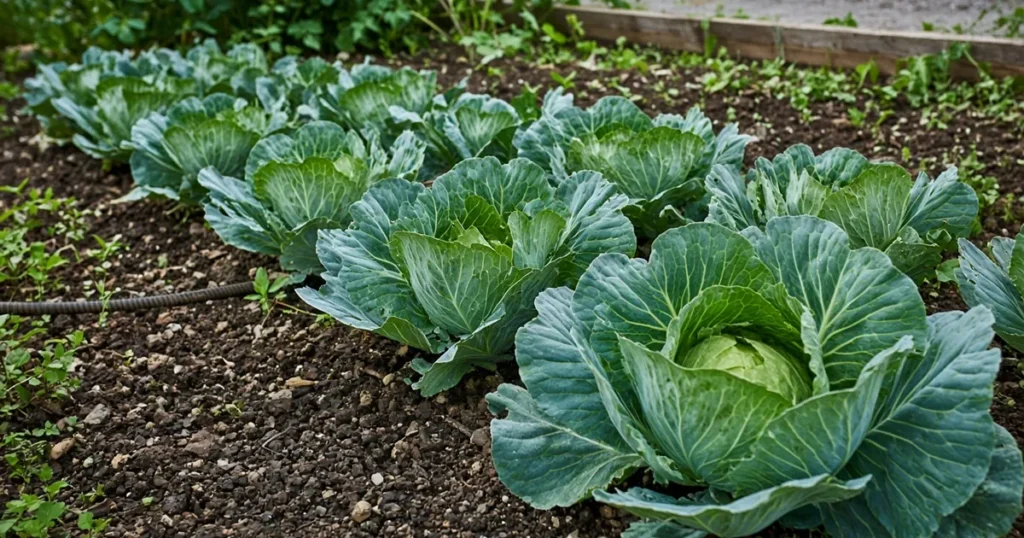
Cabbage not forming heads usually traces back to heat, feeding at the wrong time or spacing. University of Minnesota Extension notes that cabbage grows well in cool weather. A crop planted too late in spring matures in the warmest part of summer, which leads to poor quality heads.
The short answer
Cabbage heads form well in cool weather, around 60 to 65°F. Late spring plantings that mature in summer heat often fail. Feeding nitrogen during head formation causes excess leaf growth, while crowding gives small heads. A long cold spell after a warm start can make plants bolt instead of heading.
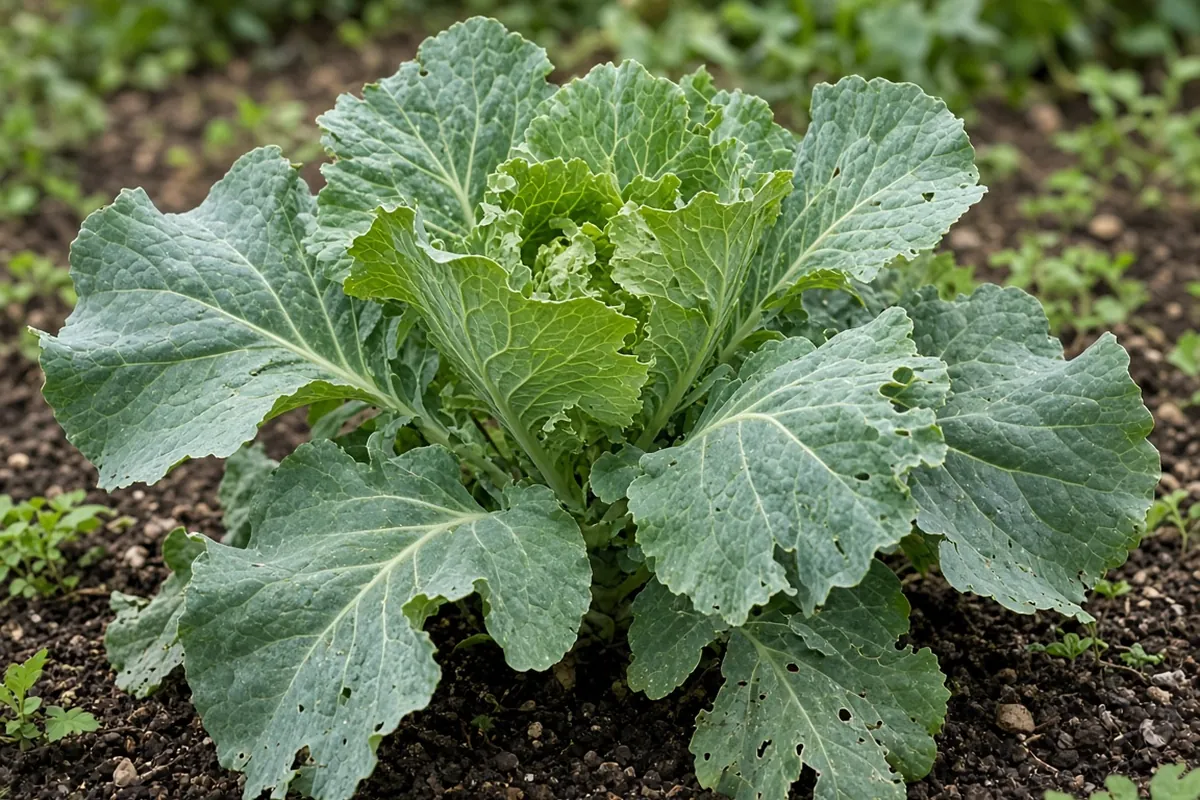
How does heat stop cabbage heading?
Clemson Cooperative Extension notes that cabbage grows well at 60 to 65°F. Spring cabbage needs planting early enough to harvest before temperatures become too hot.
UMN Extension notes that seeds planted later in spring mature during the warmest part of summer, leading to poor quality. Illinois Extension notes that late cabbage forms its main head in the cooling weather of fall.
| Cause | Sign | Fix |
|---|---|---|
| Summer heat | Poor quality or no head | Plant for cool weather |
| Late nitrogen | Excess leaves, split heads | Stop feeding at heading |
| Crowding | Small heads | 12 to 24 inches apart |
Source: Utah State University Extension plus University of Illinois Extension.
How does nitrogen affect heads?
Utah State University Extension advises side dressing with nitrogen 4 weeks after planting. Stop feeding once heads begin to form.
Fertilizing during head formation brings excessive leaf growth plus head splitting.
Why does spacing matter?
Illinois Extension notes that the closer the spacing, the smaller the heads. It suggests 12 to 24 inches between plants, depending on variety plus desired head size.
Clemson Extension notes that spacing 9 to 12 inches apart yields 2 to 3 pound heads.
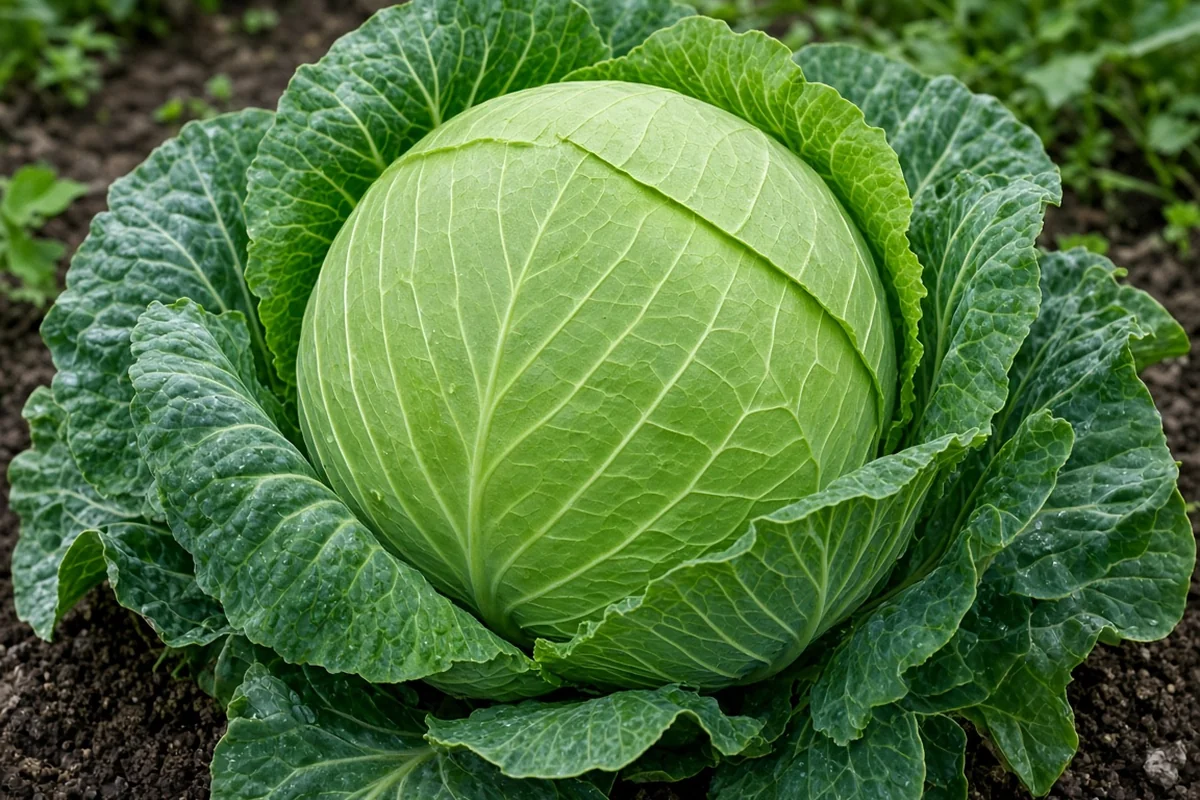
How to: step by step
- Plant spring cabbage 2 to 3 weeks before the last frost.
- Pick early varieties for spring crops.
- Space plants 12 to 24 inches apart.
- Give 1 to 2 inches of deep, even water per week.
- Side dress nitrogen 4 weeks after planting only.
- End side dressing once heads start to form.
Troubleshooting
Loose leaves, no head: heat or late planting. Plant early so heads form before summer heat.
Flower stalk instead of a head: bolting after a cold spell. Clemson Extension notes 10 or more days at 35 to 50°F can trigger it.
Split heads: late feeding or heavy rain on mature heads. Cut firm heads promptly.
For related reading see heat stress, underwatering plus soil checks. Kind Seed Co also stocks cannabis seeds.
Sources
- Growing cabbage in home gardens, University of Minnesota Extension
- Cabbage, home vegetable gardening, University of Illinois Extension
- Cabbage plus Chinese cabbage, Clemson Cooperative Extension HGIC
- How to grow cabbage in your garden, Utah State University Extension
FAQ
How long does cabbage take to head?
UMN Extension notes that cabbage takes between 60 plus 100 days to mature. Utah State University Extension lists varieties such as Golden Acre at 65 days plus Danish Ball Head at 100 days. Check the days on your seed packet plus plan so heads form in cool weather.
Can cabbage head in summer?
Heads often suffer in summer heat. UMN Extension notes that a crop maturing in the warmest part of summer has poor quality. For a fall crop, UMN Extension notes that a July planting begins to form a head as summer turns to fall, then is ready before a hard freeze.
Why do cabbage heads split?
Illinois Extension notes that when heads are mature, a sudden heavy rain may cause them to crack or split open. Utah State University Extension adds that fertilizing during head formation causes splitting. Harvest firm heads promptly plus stop feeding once heads begin to form.
When should cabbage be harvested?
Illinois Extension advises cutting heads when they are solid plus firm to hand pressure, but before they crack or split. UMN Extension suggests cutting the head off above the outer leaves. In most of Minnesota, cabbage should be harvested by late October.
Why did my cabbage bolt?
Clemson Extension notes that cabbage may bolt, or produce a flower stalk, after a cold period of 10 or more continuous days at 35 to 50°F that follows a favorable growing period. A bolting plant puts energy into flowers, so it may not form a head.