
Cactus vs Succulent: Why Every Cactus Is a Succulent
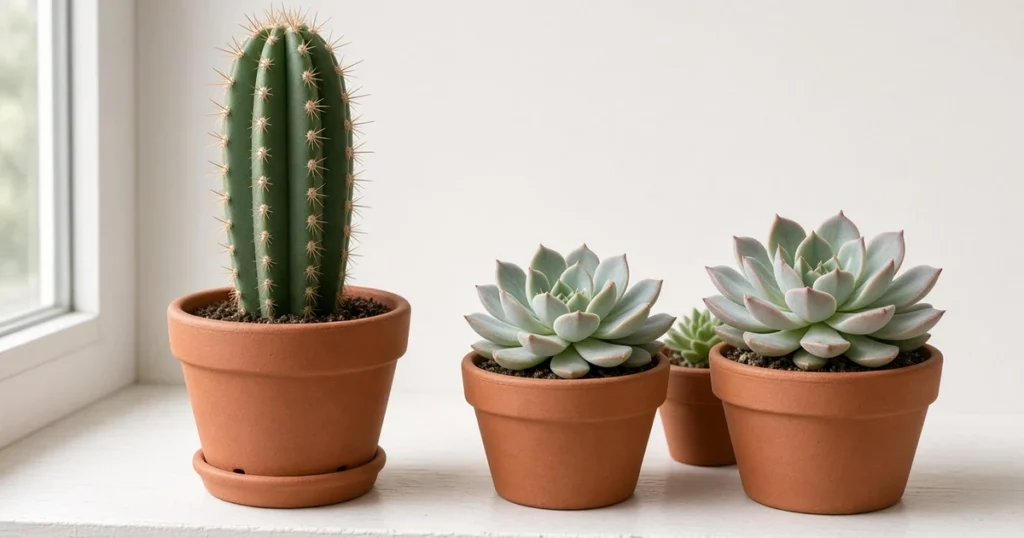
Cactus vs succulent is a question of group plus subgroup. University of Minnesota Extension notes succulent is a broad category of plants with thick fleshy leaves or stems that store water, plus it includes cacti. Cacti are one family within that group, almost always without leaves, while many other succulents have fleshy leaves.
The short answer
Every cactus is a succulent because succulent simply means a plant with thick, water storing leaves or stems. University of Minnesota Extension notes the cactus family has nearly 2,000 species, almost always without leaves. Other succulents, such as jade plant, aloe plus hens and chicks, store water in fleshy leaves instead.
What makes a plant a succulent?
University of Minnesota Extension notes succulents have thick fleshy leaves or stems that serve as water storage organs under arid conditions. They are found worldwide plus include jade plant, snake plant, century plant, kalanchoe plus sedum. They need modest water plus fertilizer but abundant light.
| Feature | Cactus | Other succulents |
|---|---|---|
| Water storage | Thick stems | Fleshy leaves or stems |
| Leaves | Almost always absent | Often thick plus fleshy |
| Native range | Americas, with one exception | Worldwide |
| Water need | Most need less | More than most cacti |
Source: University of Minnesota Extension.
How are cacti different from other succulents?
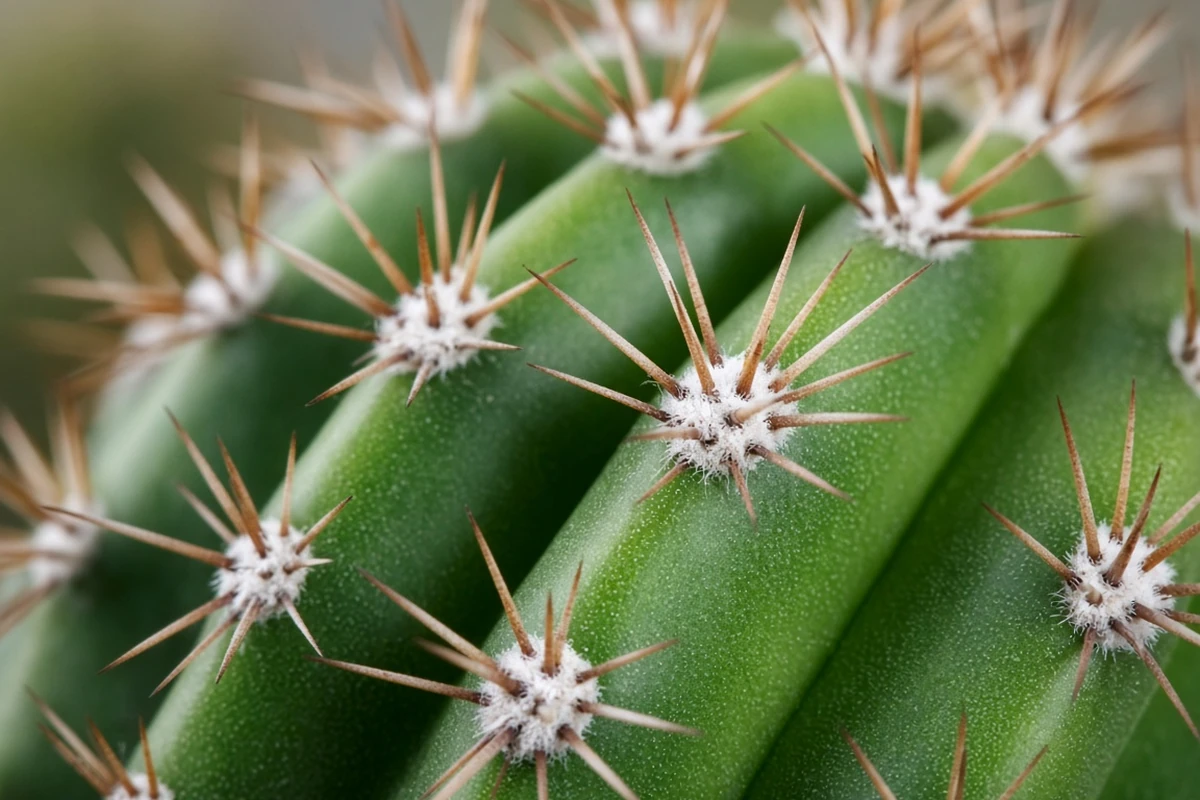
University of Minnesota Extension notes cacti are tall plus lanky or squat plus round, often without branches plus almost always without leaves. That shape cuts moisture loss. Many carry scales or spines from tiny to large plus barbed. UF/IFAS Gardening Solutions notes cacti grow slowly, usually only a few inches a year.
Do cacti plus other succulents need the same care?
Mostly, with one key difference. University of Minnesota Extension notes most cacti need less water than other succulents. Both need bright light plus sandy, well drained mix. Cacti need fertilizer once or twice a year, while other succulents get it three or four times during brighter months.
How to: step by step
- Feel for thick, water storing leaves or stems.
- See whether the plant has leaves.
- Look for spines or scales on the stems.
- Group a leafless, spiny stem plant as a likely cactus.
- Group a plant with fleshy leaves as another succulent.
- Match light plus watering to the plant group.
Troubleshooting
Plant has fleshy leaves plus spines: likely a spiny succulent, not a cactus. Look closely.
Cactus rots at the base: overwatering. Let the mix dry fully.
Succulent stretches toward the window: low light. Brighten its light.
For related reading see cannabis leaf anatomy, photosynthesis the process that makes cannabis grow plus cannabis leaf cuticle. Kind Seed Co also stocks cannabis seeds.
Sources
- Cacti and succulents (houseplants), University of Minnesota Extension
- Cactus, UF IFAS Gardening Solutions
- Common problems and issues of succulents, Iowa State University Extension
FAQ
Are all cacti from deserts?
No. University of Minnesota Extension notes the cactus family ranges from the Arctic Circle to the mountains of Chile, though it is most common in the southwestern United States plus Mexico. With one exception, all cacti are native to the Americas. UF/IFAS Gardening Solutions notes prickly pear grows naturally across the US.
Is aloe a cactus?
No. University of Minnesota Extension lists aloe among the familiar succulents besides cacti, along with jade plant, snake plant plus century plant. Aloe stores water in thick fleshy leaves, while cacti are almost always leafless. All cacti are succulents, but aloe belongs to the wider succulent group, not the cactus family.
Do succulents need less water than cacti?
Usually the reverse. University of Minnesota Extension notes most cacti need less water than other succulents. For both, water thoroughly until water flows from the drain holes, then let the soil dry out completely. Iowa State University Extension notes overwatering is among the most common problems, causing soft, mushy leaves plus stems.
Can cacti plus succulents share a pot?
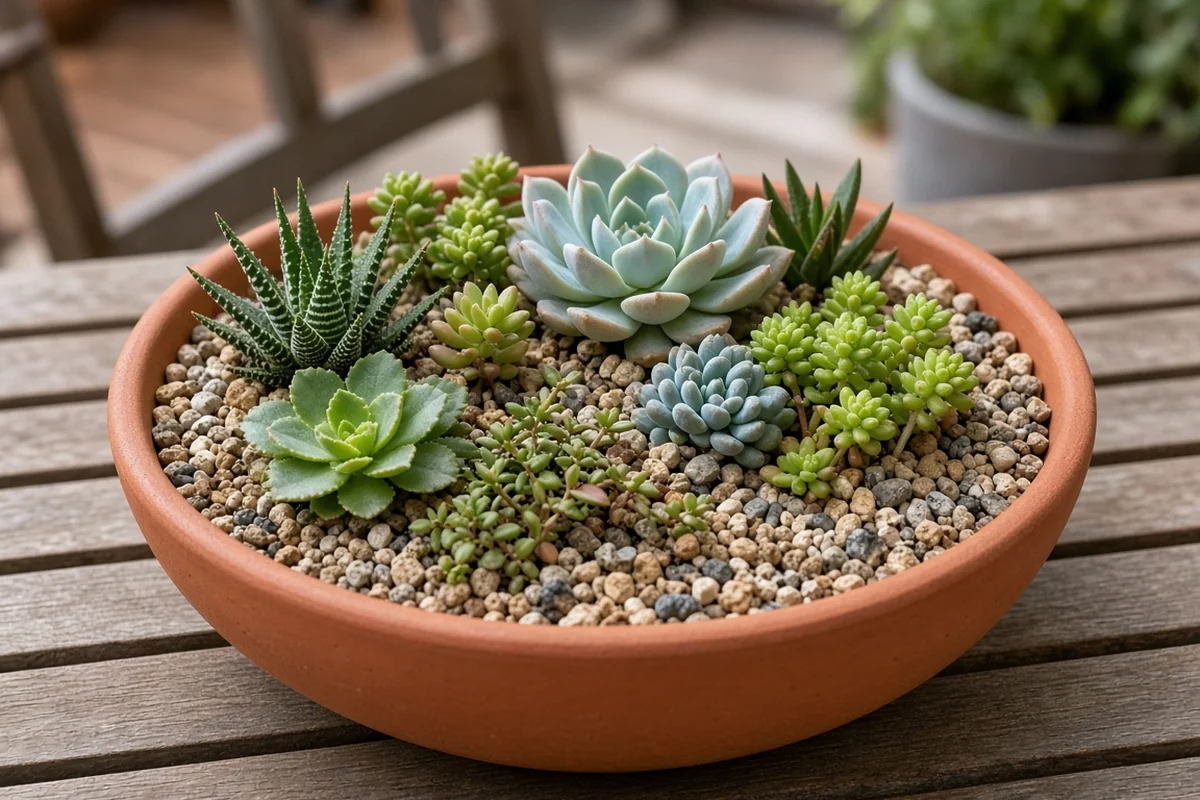
Yes, with care. University of Minnesota Extension notes they are often grouped in shallow dish gardens, but the plants must have similar water needs plus compatible growth rates. Since most cacti need less water than other succulents plus shallow dishes seldom drain, avoid overwatering mixed plantings.
When should a cactus be repotted?
UF/IFAS Gardening Solutions notes cacti should be repotted when roots show through the drainage holes, typically every two to four years, as active growth starts. Use a coarse, well drained mix, set the plant at its original depth plus wait a few days before watering. Cacti generally like being slightly pot bound.



