
Parts of a Plant: Roots Stems Leaves Flowers plus Seeds
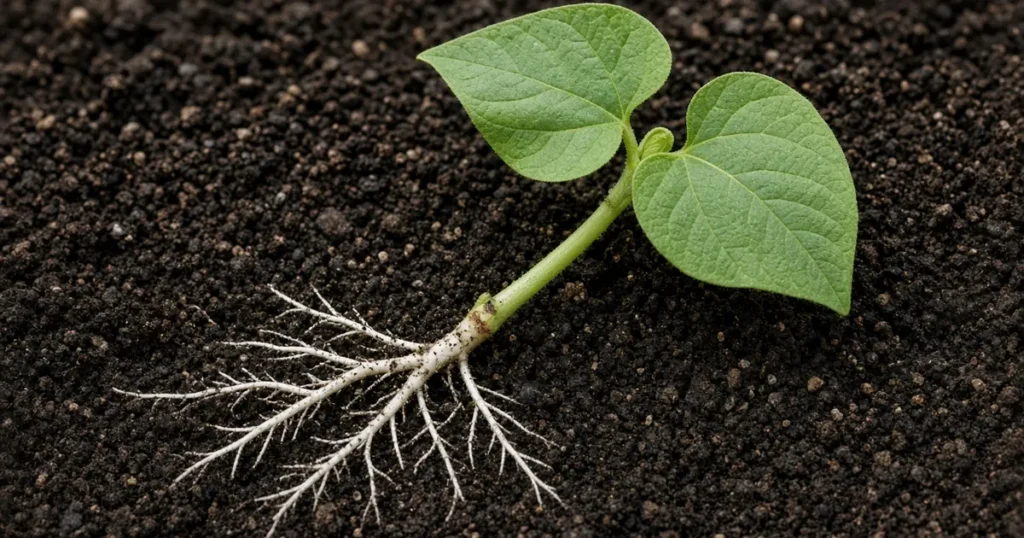
The main parts of a plant are roots, stems, leaves, flowers, fruits plus seeds. Each has its own job. NC State Extension notes roots absorb water plus anchor the plant, leaves capture sunlight to make sugars plus a fruit is a ripened ovary that holds seeds. Together they let a plant grow plus reproduce.
The short answer
Each plant part has a job. NC State Extension notes roots absorb water plus nutrients, anchor the plant plus store food. Stems carry water plus food through vascular tissue, leaves make sugars through photosynthesis plus flowers produce seeds inside fruit. University of Tennessee Master Gardener Program calls roots, stems plus leaves the vegetative parts.
What do roots plus stems do?
NC State Extension notes the main functions of roots are absorbing water plus nutrients, anchoring the plant, supporting the stem plus storing food. Colorado State University Extension notes roots begin the vascular system that moves water plus minerals up to leaves plus fruits. Stems carry that flow plus hold leaves at nodes.
| Part | Main job | Example |
|---|---|---|
| Roots | Absorb water plus anchor the plant | Aerial roots take water from air (NC State Extension) |
| Stems | Carry water plus food | Bulbs are compressed stems (NC State Extension) |
| Leaves | Capture sunlight for sugars | Chlorophyll gives the green color (NC State Extension) |
| Flowers | Reproduction | Hold the ovary (NC State Extension) |
| Fruits | Hold seeds | A ripened ovary (NC State Extension) |
Source: NC State Extension.
How do leaves make food?
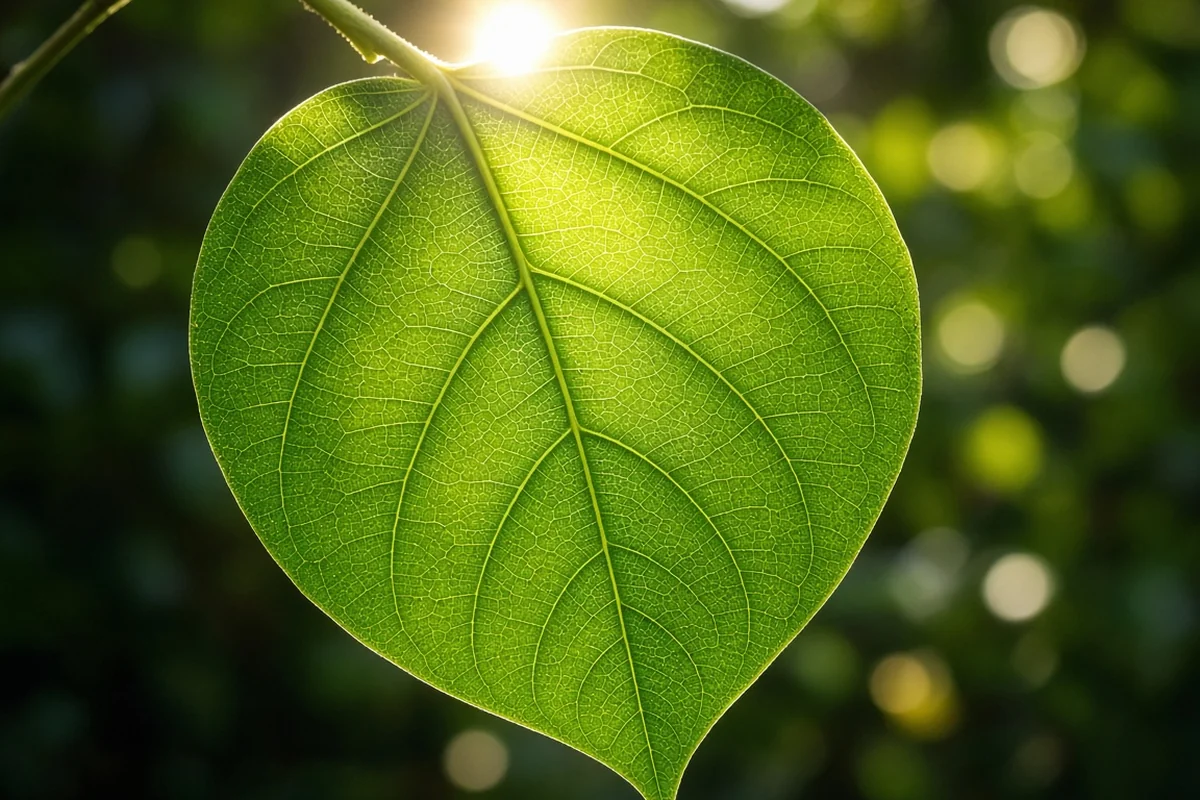
NC State Extension notes the main job of most leaves is absorbing sunlight to make plant sugars through photosynthesis. Chlorophyll, a green pigment in the chloroplasts, captures the light. MU Extension notes photosynthesis, the food making process, takes place in the chloroplasts. Carbon dioxide plus water become sugar plus oxygen.
What are flowers, fruits plus seeds for?
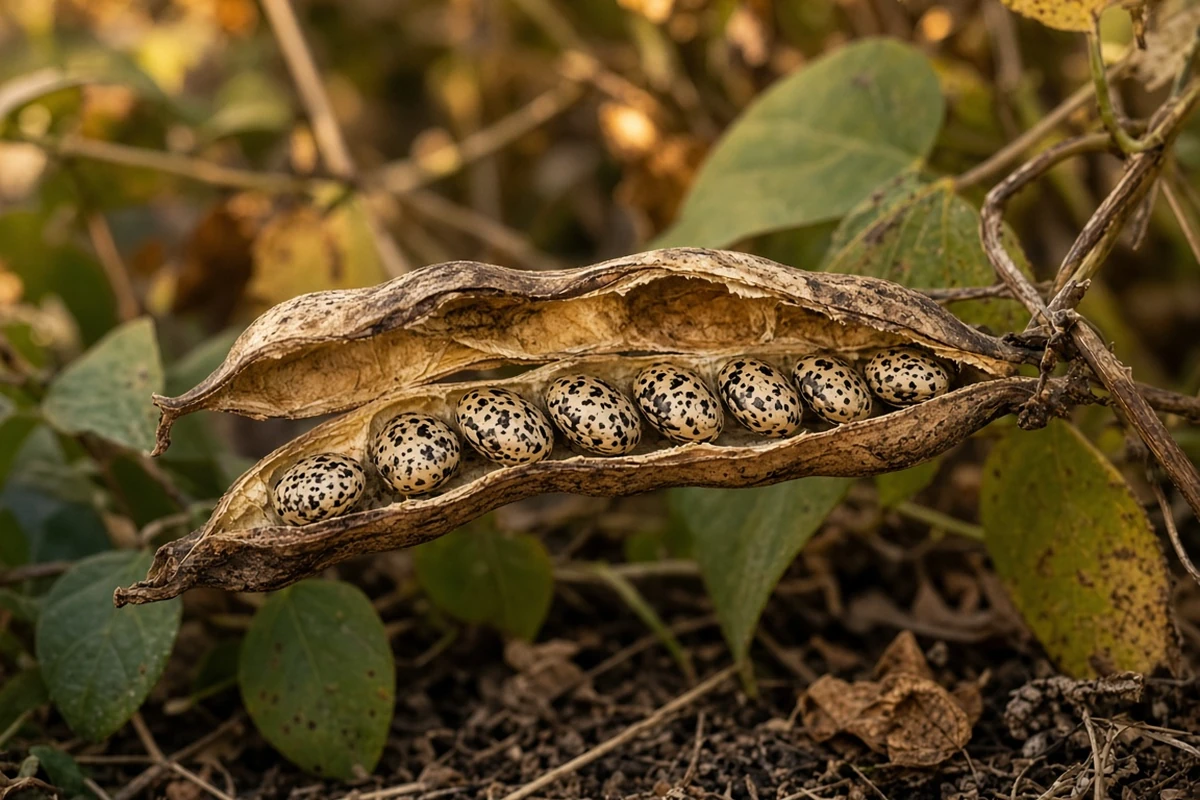
NC State Extension notes flowering plants, called angiosperms, produce seeds contained in a fruit, which is a ripened ovary holding one or more seeds. After an egg in the ovary is fertilized, the ovule becomes a seed plus the ovary matures into fruit. Seeds start the next generation.
How to: step by step
- Start at the roots plus note how they anchor the plant.
- Follow the stem plus find nodes where leaves attach.
- Study a leaf blade plus its veins.
- Find a flower plus note its petals plus center.
- Watch for fruit forming after flowering.
- Cut open a fruit to find its seeds.
Troubleshooting
Wilting despite moist soil: root damage. Examine the roots.
Leaves yellow from the bottom: old leaves aging or low nitrogen. Check feeding.
No fruit after flowers: poor pollination. Watch for pollinators.
For related reading see cannabis leaf anatomy, cannabis taproot vs fibrous roots plus cannabis xylem and phloem. Kind Seed Co also stocks cannabis seeds.
Sources
- Extension Gardener Handbook, chapter 3: Botany, NC State Extension
- Botany (CMG GardenNotes 120), Colorado State University Extension
- Chapter 3: basic botany, plant physiology, and plant classification, University of Tennessee Master Gardener Program
- Plants and their environment (MG2), MU Extension
FAQ
Do all plants have flowers?
No. NC State Extension notes ferns plus horsetails reproduce through spores rather than flowers. Gymnosperms produce seeds that are not held in a ripened ovary but form on scales or leaves, sometimes in cones. Only angiosperms, the flowering plants, produce seeds inside a fruit.
What is the difference between a root plus a stem?
Stems have nodes. NC State Extension notes the stem area where leaves attach, or once attached, is called a node, plus each node holds a bud. Roots lack nodes plus leaves. Some underground parts that look like roots, such as rhizomes, are really stems that grow sideways plus store food.
Why are leaves green?
NC State Extension notes chlorophyll, a pigment in the chloroplasts, gives plants their green color plus lets them capture sunlight to turn into sugar. MU Extension notes chlorophyll sits in the chloroplasts, where photosynthesis takes place. Without chlorophyll, a leaf could not make food from light.
Are bulbs roots or stems?
Bulbs are stems. NC State Extension notes bulbs are shortened, compressed underground stems surrounded by thick, fleshy leaves around a central bud. It lists bulbs, corms, rhizomes plus tubers as belowground stems. Rhizomes grow sideways at or just below the soil surface plus store food.
How do plants without flowers reproduce?
NC State Extension notes ferns plus horsetails reproduce through spores. Gymnosperms such as conifers make seeds, but those seeds form at the tips of scales or modified leaves, sometimes in cones, rather than inside a ripened ovary. Colorado State University Extension notes mosses plus liverworts lack the vascular system of other plants.



