
How to Remove Tree Stumps for a Garden Bed
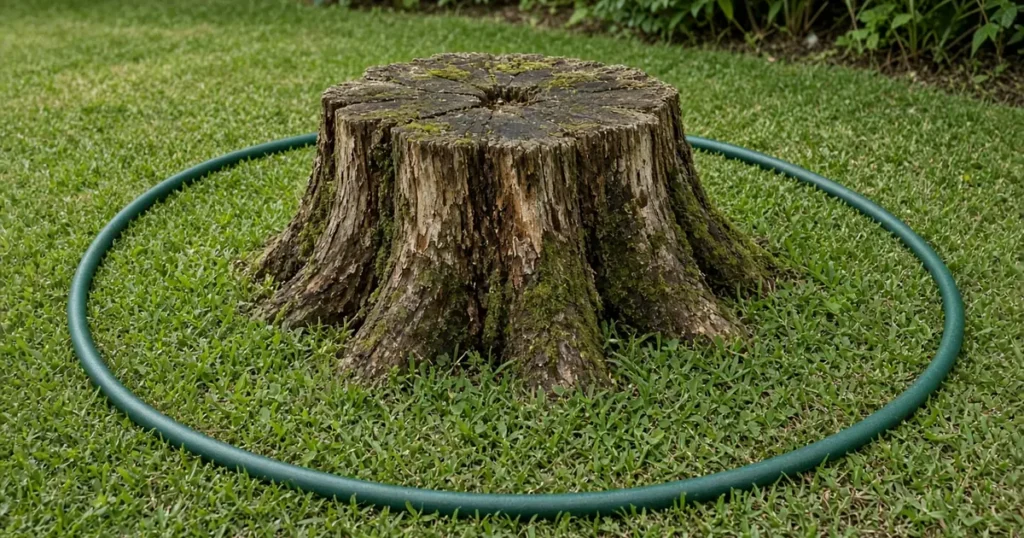
How to remove tree stumps for a garden: dig out small stumps by hand, hire a stump grinder for large ones or let the stump rot. Iowa State University Extension describes grinding, natural decay plus digging as the main options. After removal, rake out the shavings plus add topsoil before planting.
The short answer
Match the method to the stump size. Iowa State University Extension notes digging suits stumps under about 12 inches across, while hired grinding removes larger stumps plus big roots 8 to 12 inches down within hours. Natural decay takes 10 or more years. Remove the shavings plus refill with topsoil before planting.
When can a stump be dug out by hand?
Iowa State University Extension notes digging works on smaller stumps, those under about 12 inches in diameter. Dig a trench one to two feet deep around the stump, cut each lateral root plus pry the stump free with a long bar. Leaving 4 to 6 feet of trunk gives purchase.
| Method | Suits | Notes |
|---|---|---|
| Digging | Stumps under about 12 inches | Labor intensive but quick (Iowa State University Extension) |
| Hired grinding | Larger stumps | Removes the stump 8 to 12 inches down (Iowa State University Extension) |
| Natural decay | Gardeners who can wait | Can take 10 or more years (Iowa State University Extension) |
| Speeded decay | Stumps cut low plus drilled | Breaks up in about 1 to 3 years (Iowa State University Extension) |
Source: Iowa State University Extension.
How does stump grinding work?
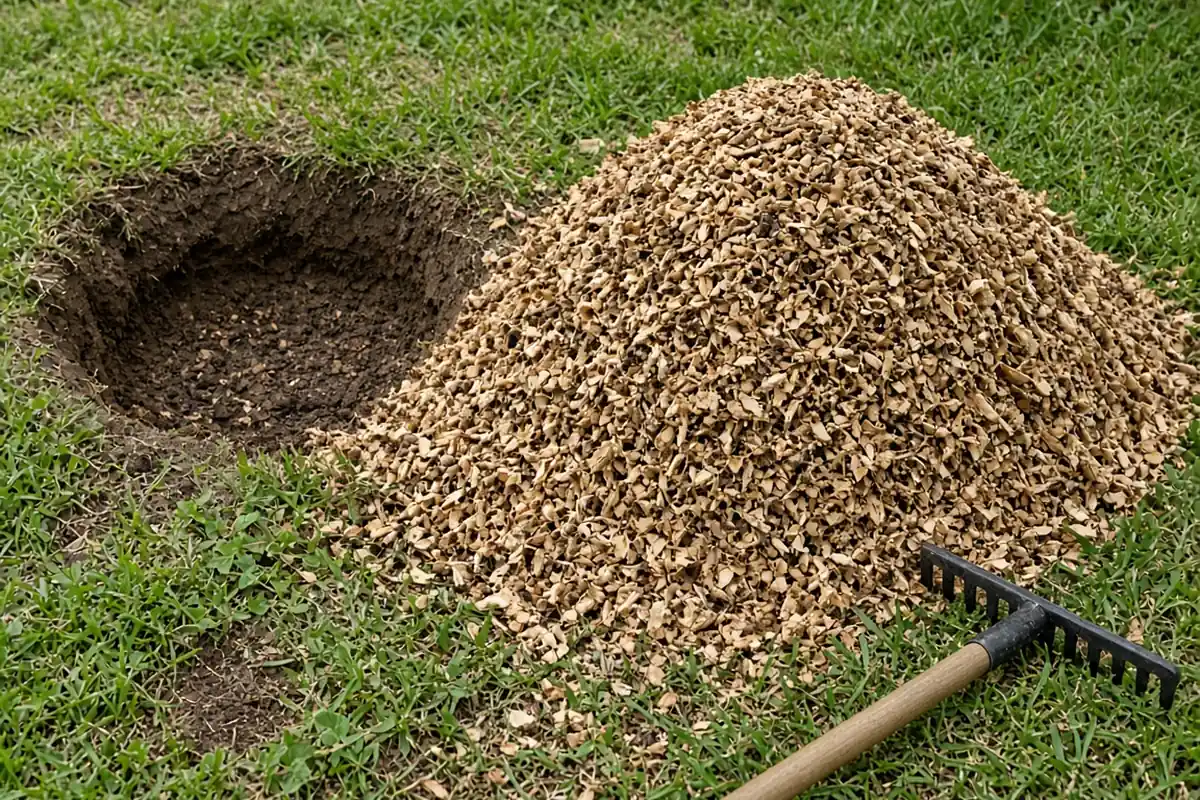
Iowa State University Extension notes a hired arborist grinds the stump plus large lateral roots, typically 8 to 12 inches down, within a few hours. A large pile of shavings remains in the hole, plus most arborists remove it or fill the hole only on request, usually at extra cost.
How long does a stump take to rot?
Iowa State University Extension notes natural decay can take 10 or more years, depending on soil moisture, wood decay fungi plus tree species. Cutting the stump low, drilling holes plus covering it with soil speeds the process, so the stump can often be broken up with a spade in one to three years.
How to: step by step
- Measure the stump across its widest point.
- Dig around small stumps plus cut the roots.
- Hire a stump grinder for large stumps.
- Rake grindings out of the planting area.
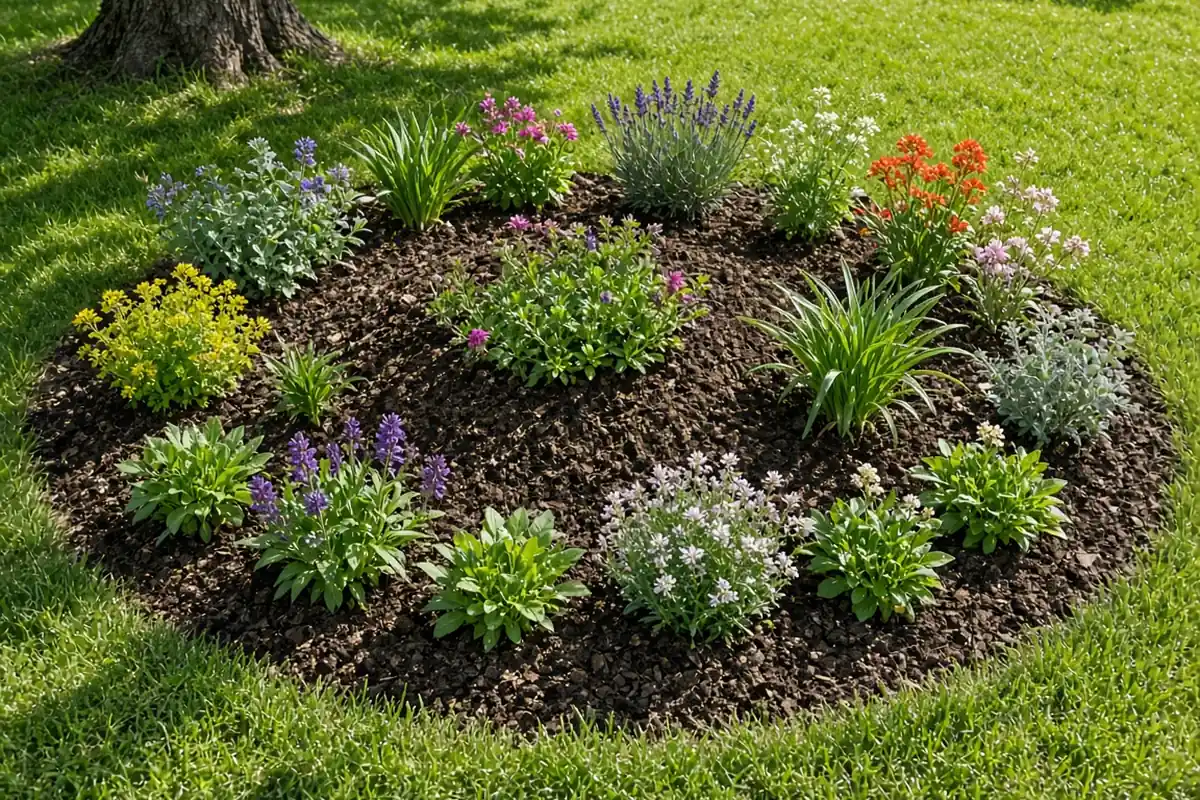
- Fill the hole with topsoil plus compost.
- Mound the soil a little for settling.
Troubleshooting
Sprouts come from the stump: live roots. Clip sprouts often.
Plants yellow over old grindings: nitrogen tie up. Remove chips plus add compost.
Soil sinks over time: roots rotting. Add more soil.
For related reading see growing cannabis near trees, planning an outdoor cannabis garden layout plus garden microclimates for cannabis. Kind Seed Co also stocks cannabis seeds.
Sources
- How to remove tree stumps, Iowa State University Extension
- How to plant grass after tree stump removal, Iowa State University Extension and Outreach
- Can the mulch made by tree stumps be mixed into the surrounding soil for new plants?, Purdue University Forestry and Natural Resources Extension
FAQ
Can I plant over a ground stump?
Yes, after cleanup. Iowa State University Extension advises removing the wood shavings before adding topsoil plus replanting, since shavings change soil structure, moisture plus nutrient balance. It advises adding topsoil to replace the volume lost plus mounding it slightly above grade to allow for settling.
Are stump grindings good mulch?
Not mixed into a bed. Purdue University Extension notes fresh chips can be very acidic plus borrow nitrogen from the soil as they break down, which hits shallow rooted flowers hardest. It suggests removing as much of the chips as possible, piling them to compost plus replacing them with proper soil.
How deep does a stump grinder go?
Iowa State University Extension notes stump grinding typically removes the stump plus large lateral roots down 8 to 12 inches. Deeper roots stay in the ground plus decay over time. Its guide on planting after removal notes rotting roots leave voids that cause settling, so top up the soil as needed.
Can I rot a stump faster?
Yes. Iowa State University Extension advises cutting the stump as low as possible plus drilling one inch holes at least ten inches deep, no more than 12 inches apart. Fill the holes with topsoil plus cover the stump with soil or sod. The stump can then often be broken up within one to three years.
Why leave a tall stump before digging?
Iowa State University Extension notes it helps to leave the stump 4 to 6 feet tall rather than cutting it at ground level. The extra trunk works as a lever for prying plus lifting the stump out once the lateral roots are cut. This method works well on stumps under about 12 inches across.



