Cilantro vs Coriander: Leaves Plus Seeds of One Plant
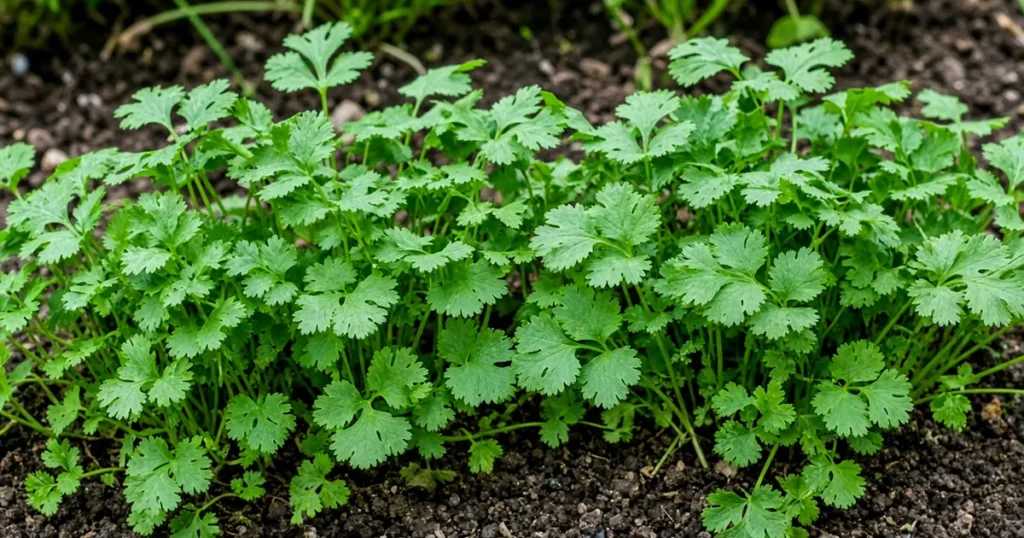
The cilantro vs coriander question has a simple answer. Both names come from one plant, Coriandrum sativum. University of Wisconsin Madison Extension notes that the leaves are called cilantro while the seeds are called coriander. Timing decides which crop a planting gives you.
The short answer
Cilantro plus coriander are the same plant. Cilantro is the leaf crop, grown in the cool, short days of spring or fall. Coriander is the seed crop that forms after plants bolt in long, hot days. Leaves are ready in 45 to 80 days, while seed needs at least 100 days.
Why does cilantro bolt so fast?
Oregon State University Extension notes that temperature plus day length both influence flowering. Cilantro planted in late June or early July bolts during long, hot summer days. In midsummer it can flower plus set seed in four to six weeks.
In the cooler, shorter days of spring or fall, plants make leaves for several weeks or months before flowering. Wisconsin Extension adds that no cultivar holds well under high temperatures plus long days.
When are leaves harvested?
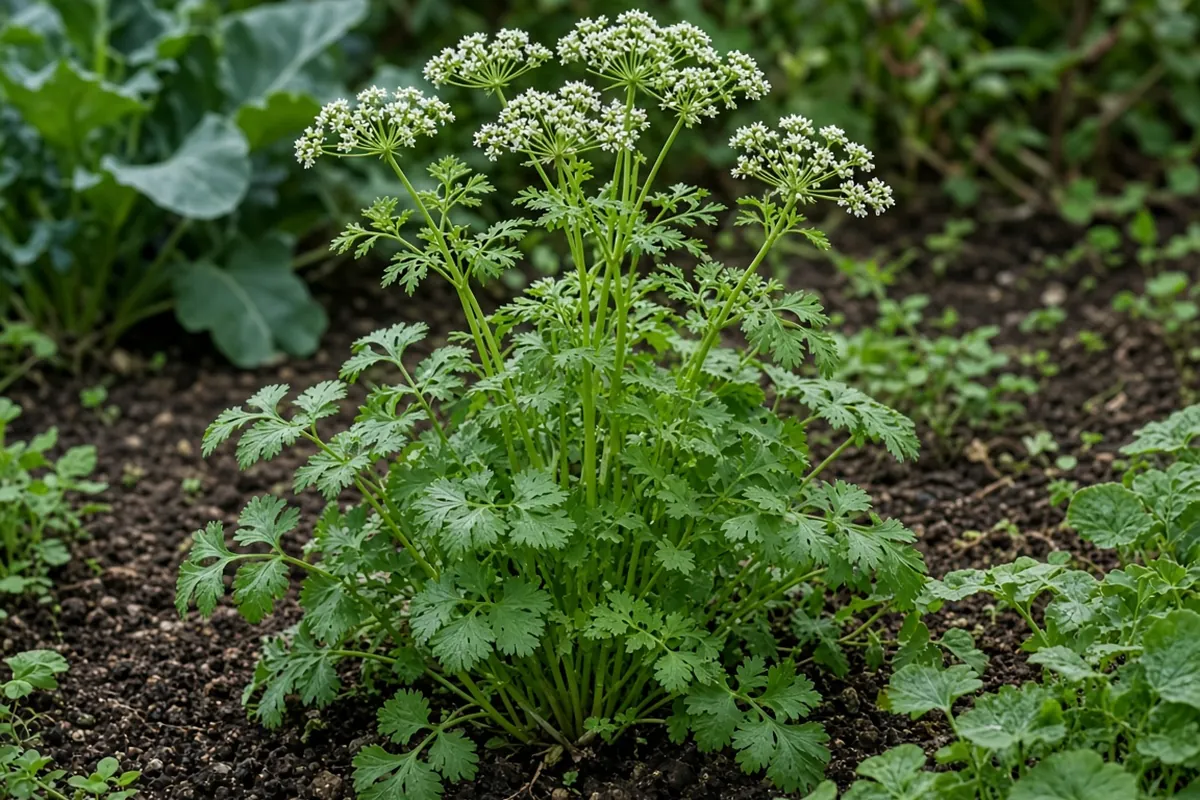
UF/IFAS notes that leaves can be picked once plants reach 6 inches tall plus continuously after that. Wisconsin Extension notes that the leaf crop is ready in 45 to 80 days. Young plants carry wide, flat leaves, while bolting plants grow lacy leaves on the flower stalk.
| Trait | Cilantro | Coriander |
|---|---|---|
| Plant part | Leaves | Seeds |
| Days to harvest | 45 to 80 | At least 100 |
| Ideal season | Cool, short days | Long, hot days |
Source: University of Wisconsin Madison Extension plus Oregon State University Extension.
When are seeds harvested?
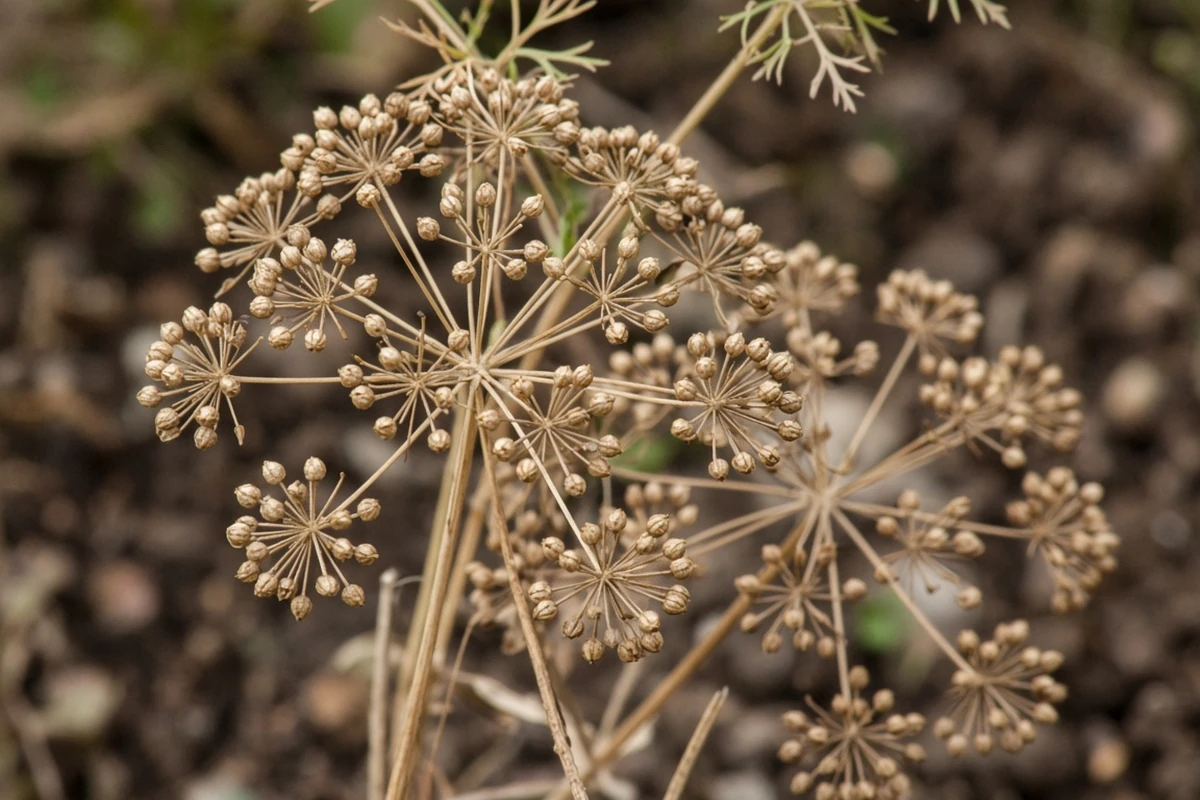
UF/IFAS suggests looking for seeds about three months after planting. Remove the brown fruiting structures plus let them dry before separating the seeds. Wisconsin Extension notes that a seed crop needs a growing season of at least 100 days.
How to: step by step
- Sow in early spring or late summer.
- Choose full sun or light shade.
- Set plants 8 inches apart.
- Sow a few seeds every few weeks.
- Pick leaves once plants reach 6 inches.
- Let late plantings flower for seed.
Troubleshooting
Plants bolt fast: heat plus long days. Sow in early spring or late summer, or use a cooler, semi shaded spot.
Few leaves before flowering: summer sowing. Oregon State University Extension advises avoiding peak summer heat.
Transplants stall: the long taproot. Sow seed where plants will stay.
For related reading see leaf anatomy, bees in outdoor gardens plus seed anatomy. Kind Seed Co also stocks cannabis seeds.
Sources
- How to grow cilantro for leaves or coriander seeds, Oregon State University Extension
- Cilantro / coriander, Coriandrum sativum, University of Wisconsin Madison Extension
- Coriandrum sativum (cilantro, coriander), NC State Extension Gardener Plant Toolbox
- Cilantro, UF/IFAS Gardening Solutions
FAQ
Are cilantro plus coriander the same plant?
Yes. Both names refer to Coriandrum sativum. University of Wisconsin Madison Extension notes that the leaves are called cilantro while the seeds are called coriander. UF/IFAS adds that the same plant gives leaves in cooler seasons plus produces seeds in warmer weather, so planting time decides the crop.
Can coriander seeds be planted?
Yes. The seeds that form after cilantro flowers are the same seeds sold for sowing. NC State Extension lists seed as the recommended way to grow this annual. Oregon State University Extension notes that the plant does well from direct seeding, since its long taproot makes transplanting difficult.
Can cilantro grow indoors?
Wisconsin Extension notes that cilantro can be grown successfully in containers. Give pots full sun or very light shade plus well drained soil. Indoor plants still respond to long days plus warmth, so sowing a few seeds every few weeks gives a steady leaf supply over time.
Do cilantro flowers attract pollinators?
Yes. UF/IFAS notes that before it produces seeds, cilantro forms umbels of pinkish white flowers that are very attractive to pollinating insects. NC State Extension adds that the plant is a larval host to swallowtail butterflies. Letting a few plants bloom supports these insects while seeds form.
Can cilantro survive frost?
Wisconsin Extension describes cilantro as a cool season crop that will not survive a hard freeze. UF/IFAS notes that in Florida it grows well in fall plus winter, since it flowers quickly when days get long plus warm. In colder areas, sow in early spring plus again in late summer.