Clematis Wilting: Wilt Disease or Dry Roots
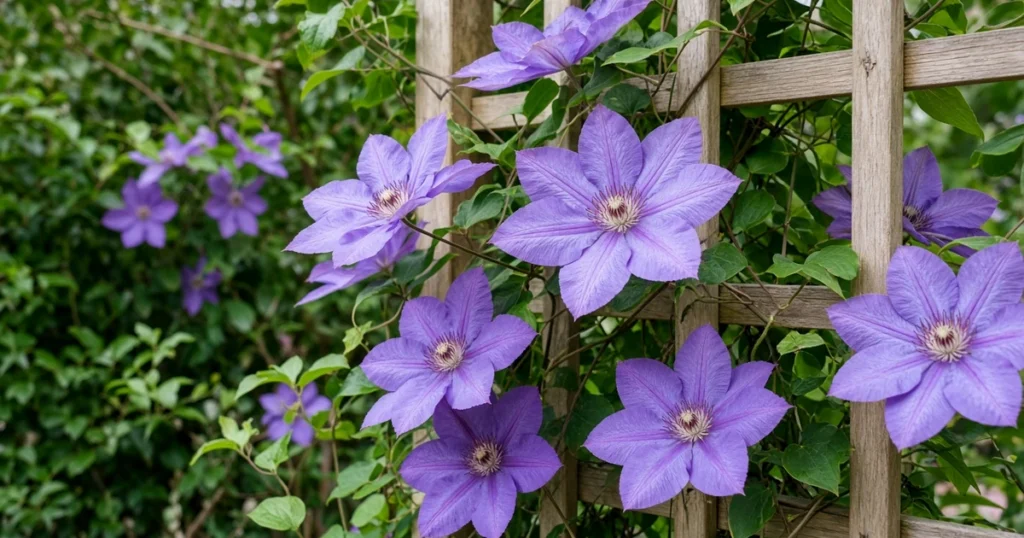
Clematis wilting has two common causes: a fungal disease called clematis wilt or roots that run dry plus hot. Clemson Extension notes that with clematis wilt, a vine suddenly collapses plus turns black within days. Iowa State Extension adds that clematis thrive when their roots stay cool.
The short answer
Check how fast the vine collapsed. Sudden collapse with black stems points to clematis wilt, so cut affected stems at ground level, as Iowa State Extension advises. Slow drooping in heat points to dry roots. Water deeply once a week in dry spells plus mulch the base.
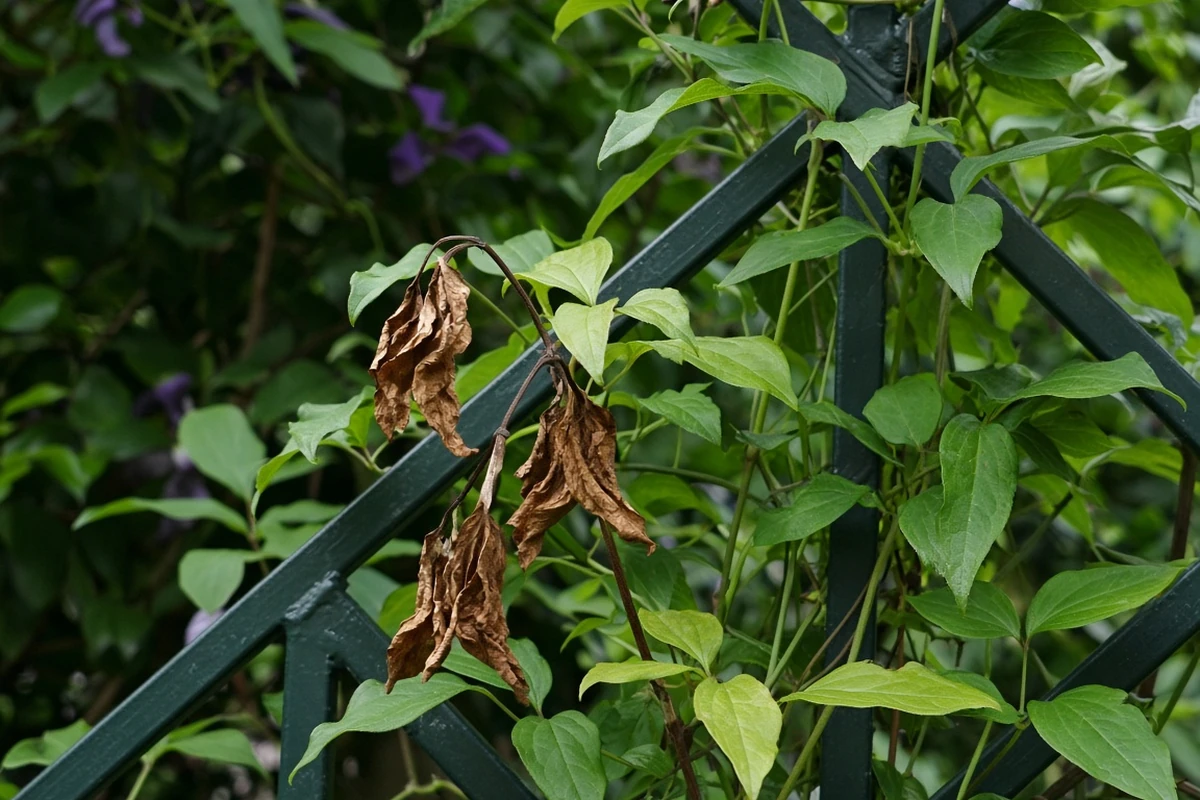
How do I spot clematis wilt?
Speed is the clue. Clemson Extension notes that the plant or part of the vine suddenly collapses. Within a few days, the stem plus leaves turn black plus die.
Iowa State Extension notes that this occurs only in large flower varieties. It usually appears just as flower buds begin to swell.
What if the roots are dry?
Clematis are deep rooted, so NC State Extension advises watering thoroughly. Clemson Extension suggests watering deeply once a week in dry seasons, for at least an inch of water a week.
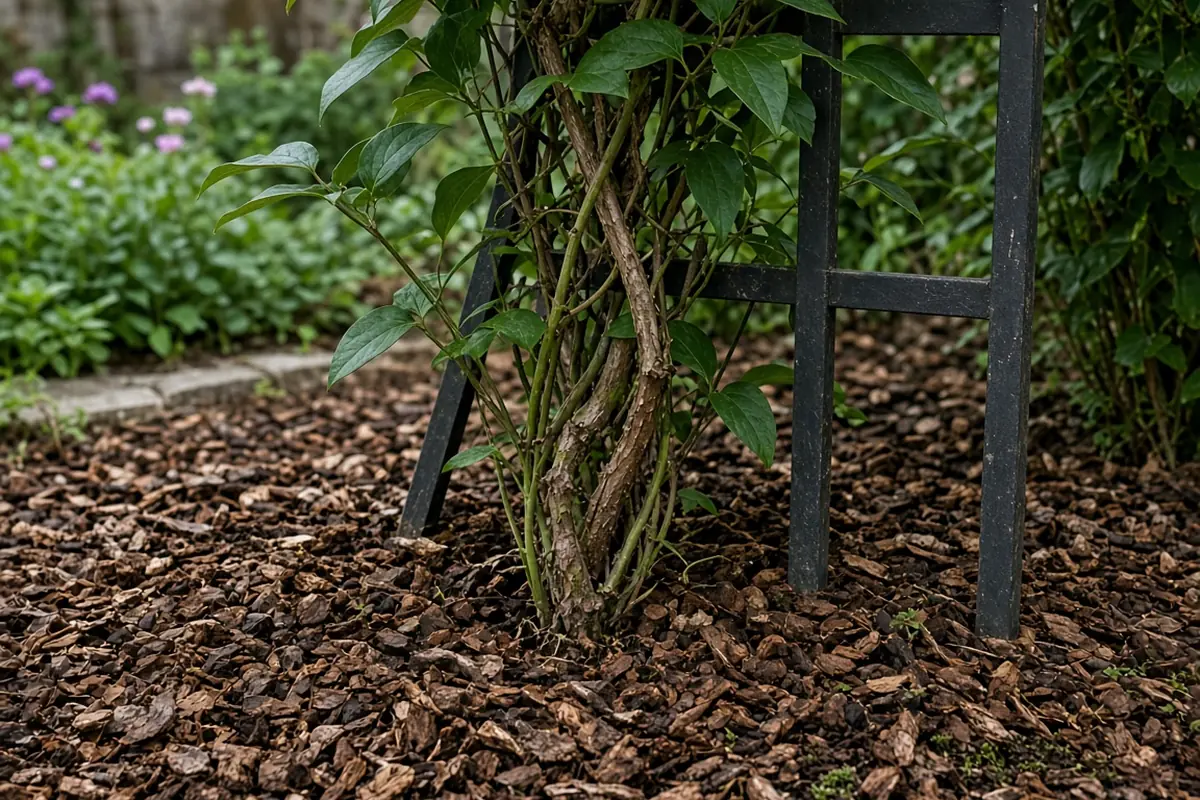
Clemson Extension notes that the roots like a cool, moist setting. A 2 inch layer of mulch or a low groundcover provides it.
| Sign | Likely cause | Change |
|---|---|---|
| Sudden collapse, black stems | Clematis wilt | Cut stems at ground level |
| Slow droop on hot days | Dry or hot roots | Water deeply plus mulch the base |
| Faded flowers in full sun | Too much sun | Plant on an eastern exposure |
Source: Clemson Extension plus Iowa State Extension.
Will the plant come back?
Usually. Iowa State Extension notes that clematis wilt rarely kills the entire plant. Affected plants usually send up new shoots.
Iowa State Extension also notes that the disease can cost that year’s blooms. Clemson Extension advises cutting off plus destroying all affected parts plus raking up fallen leaves.
How to: step by step
- Notice how quickly the vine wilted.
- Cut fallen stems at ground level.
- Clear plus destroy affected stems plus fallen leaves.
- Water deep once weekly in dry spells.
- Spread a 2 inch layer of mulch at the base.
- Shade the base each afternoon in hot areas.
Troubleshooting
Whole stem blackens in days: clematis wilt. Cut back to ground level plus wait for new shoots.
Leaves droop each hot afternoon: dry or hot roots. Water deeply plus shade the base.
Wilting in a wet spot: poor site. Clemson Extension advises against planting in extremely wet locations.
For related reading see underwatering cannabis, mulch for beds plus heat stress. Kind Seed Co also stocks cannabis seeds.
Sources
- Growing clematis in the home garden, Iowa State University Extension
- Clematis, Clemson Cooperative Extension
- Clematis, NC State Extension Plant Toolbox
FAQ
What causes clematis wilt?
Fungi cause it. Clemson Extension names two, Phoma clematidina plus Ascochyta clematidina, behind this stem rot plus leaf spot. With this disease, the plant or part of the vine suddenly collapses. Within a few days, the stem plus leaves turn black plus die, so quick cleanup of affected stems helps.
Should I cut back a wilted clematis?
Yes, if wilt disease is the cause. Iowa State Extension advises cutting dead vines at ground level, then removing plus destroying them. Clematis wilt rarely kills the entire plant, plus affected plants usually send up new shoots. Clemson Extension adds that fallen leaves should be raked up too.
How much water does clematis need?
Clemson Extension notes that vines need at least an inch of water a week from rain or irrigation. It suggests watering deeply once a week in dry seasons. NC State Extension notes that clematis is deep rooted, so water thoroughly rather than giving the vine frequent light sprinkles.
Does clematis like sun or shade?
Both, in different places. Clemson Extension notes that clematis like their heads in the sun plus their feet in the shade. They need at least 6 hours of sun to flower well. In hot areas, some afternoon shade helps, plus mulch or groundcover cools the roots.
Do clematis flowers fade in full sun?
Some do. Clemson Extension notes that flowers of some red, blue plus bicolored large flowered hybrids fade with too much sun. It suggests planting these on eastern exposures or in partial shade. Iowa State Extension adds that many species tolerate part shade but will likely have fewer blooms.