
Corn Tassels Early: Stress and Short Plants
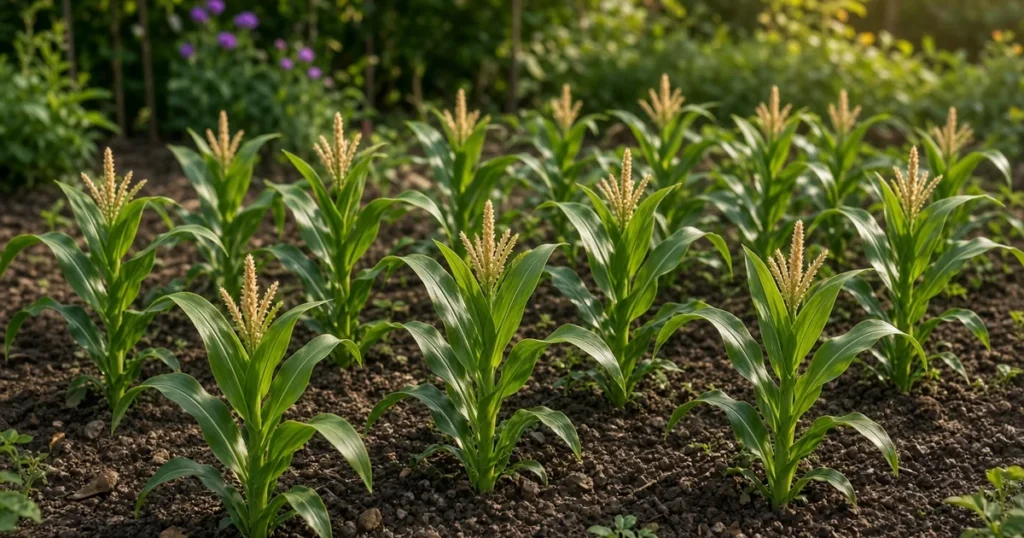
Corn tassels early on short plants most often when stress hits the growing crop. Purdue University lists stunted plant growth and hastened tassel development among corn responses to drought. The University of Wisconsin adds that water stress during vegetative growth reduces plant height and leaf area. Cold soil, crowding and low nitrogen make it worse.
The short answer
Short corn that tassels early is usually stressed. Plant into soil near 60°F, space seeds 8 to 12 inches apart, feed nitrogen on time and give about one inch of water a week. Early varieties are smaller by nature, so check the seed packet first.
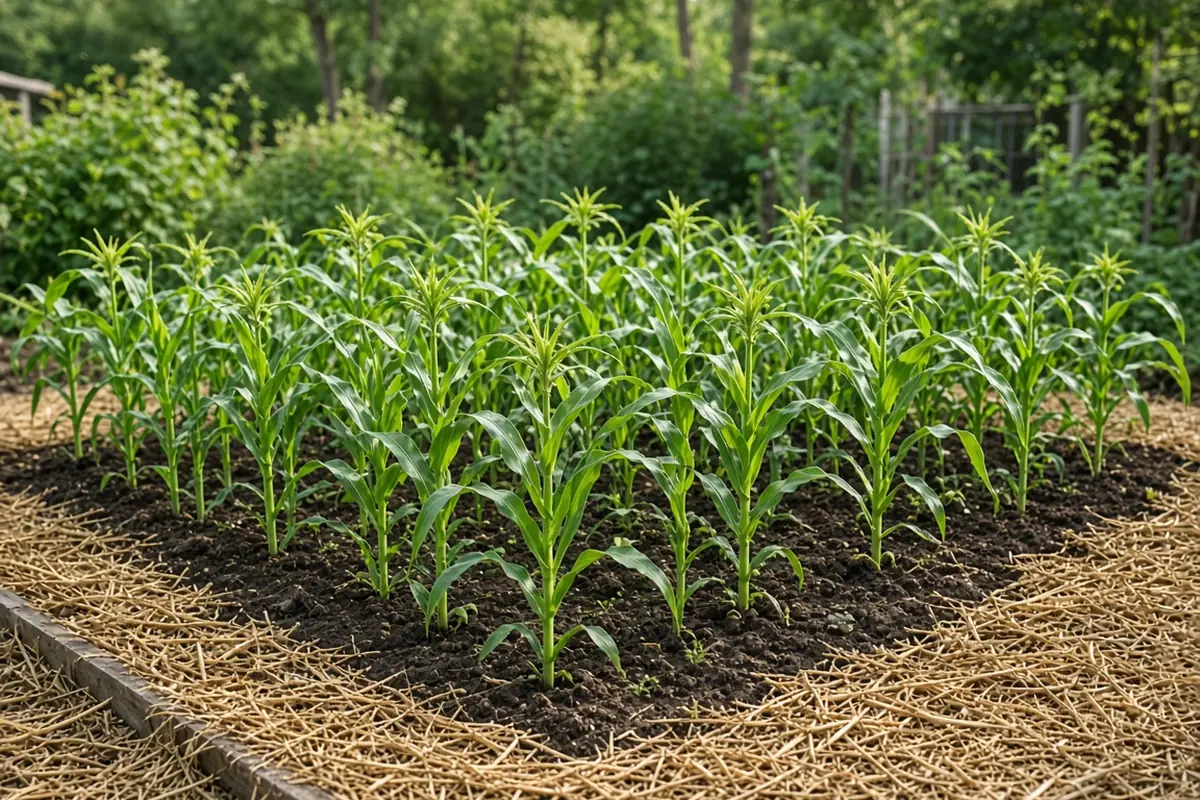
Why does corn tassel early?
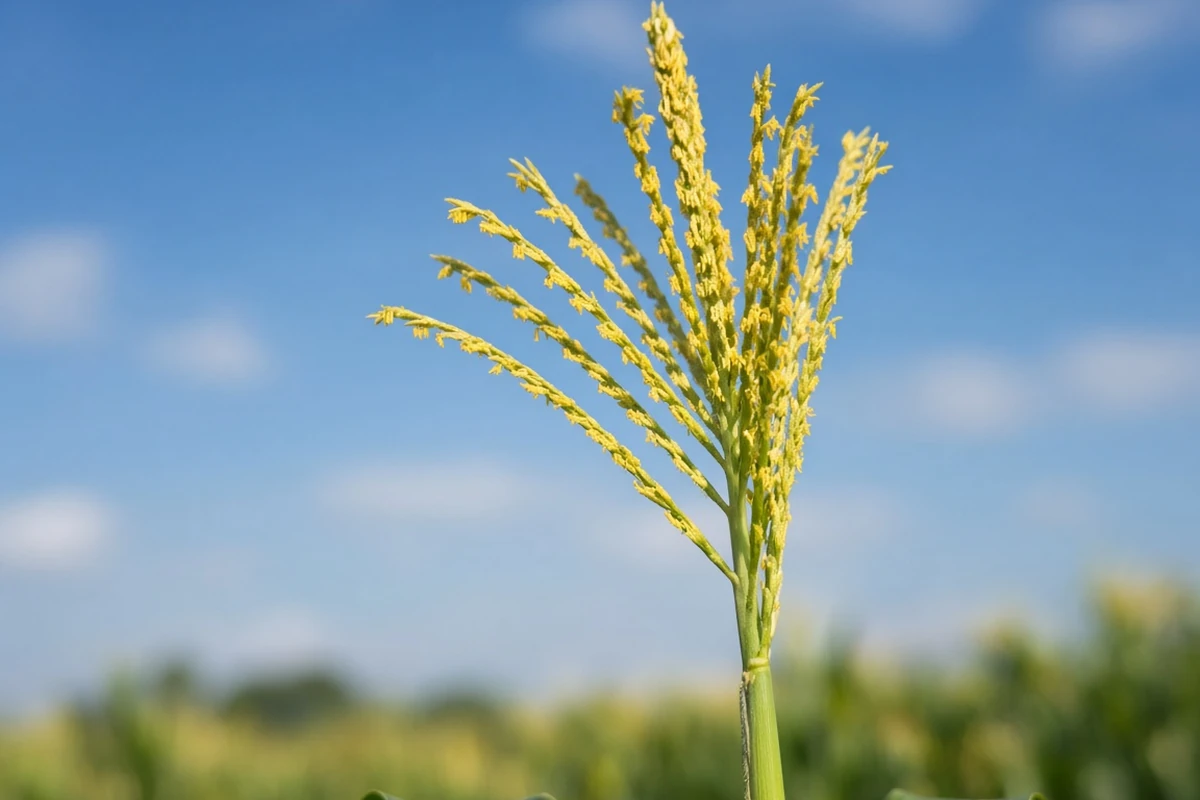
Purdue’s drought table lists hastened tassel development and delayed silk development as possible responses when stress reaches the silking stage. If tassels shed pollen before silks appear, ears can fill poorly. Iowa State says hot, dry winds and dry soil may hurt pollination and leave poorly filled ears. For a wider look at how plants react to hard conditions, see the effects of environmental stresses on weed plants.
Which stresses cause short plants?
Drought: Wisconsin says water stress during vegetative growth cuts stem and leaf cell expansion, which reduces plant height. Purdue lists stunted plant growth at several stages.
Cold soil: Minnesota Extension says seeds germinate well when soil is close to 60°F and that diseases infect seeds more easily in cooler soil. Iowa State notes that supersweet types handle cold soil the worst.
Crowding and fertility: Iowa State spaces seeds 8 to 12 inches apart and says sweet corn needs high levels of nitrogen. Utah State side dresses nitrogen at 8 to 10 leaves and again near silking. Learn the signs of a dry root zone in underwatering cannabis.
How do you get full sized corn next time?
| Factor | Target | Source |
|---|---|---|
| Soil at planting | Near 60°F | Minnesota Extension |
| Seed spacing | 8 to 12 inches | Iowa State |
| Water | About 1 inch a week | Minnesota, Iowa State |
| Nitrogen | At 8 to 10 leaves and near silking | Utah State |
| Layout | Blocks of at least 4 rows | Minnesota Extension |
How to: step by step
- Wait for soil near 60°F before you sow.
- Space seeds 8 to 12 inches apart in blocks of four or more rows.
- Water about one inch a week and more often in sandy soil.
- Side dress nitrogen at 8 to 10 leaves and again near silking.
- Water during pollination if the soil is dry.
Troubleshooting
Tassels on knee high plants: think back to dry spells and cold early weeks.
Tassels but poor ears: Iowa State links poorly filled ears to poor pollination.
Short plants in hot spells: see cannabis heat stress for how heat and water loss add up.
Late frost on young corn: compare notes in frost damage on cannabis.
Grow taller corn next season
Warm soil, wide spacing, steady water and timely nitrogen let corn size up before it tassels. Kind Seed Co shares more notes for gardeners who grow vegetables and cannabis side by side.
Sources
- Growing sweet corn in home gardens, University of Minnesota Extension
- Growing sweet corn in the home garden, Iowa State University Extension
- Sweet corn in the garden, Utah State University Extension
- The ears on my sweet corn are poorly filled. What are possible causes?, Iowa State University Extension
- Corn responses to drought stress, Purdue University Agronomy Extension
- What happens within the corn plant when drought occurs? (A110), University of Wisconsin Corn Agronomy
FAQ
Will corn with early tassels still make ears?
It can. Iowa State says hot, dry winds and dry soil may hurt pollination and leave ears poorly filled, so water during pollination if the soil is dry.
Does early variety choice matter?
Yes. Utah State says early varieties produce smaller ears and do well where the season is short and cool.
How much water does corn need?
Minnesota Extension says one inch of rain a week is good for corn. Water more often in sandy soil.
Why plant corn in blocks?
Wind carries pollen from tassels to silks. Minnesota advises blocks of at least four rows rather than one long row.
When is corn most sensitive to drought?
Wisconsin says corn yield is most sensitive to water stress during flowering and pollination, followed by grain fill.



