Fig Tree Leaves Turning Yellow: Water plus Rust
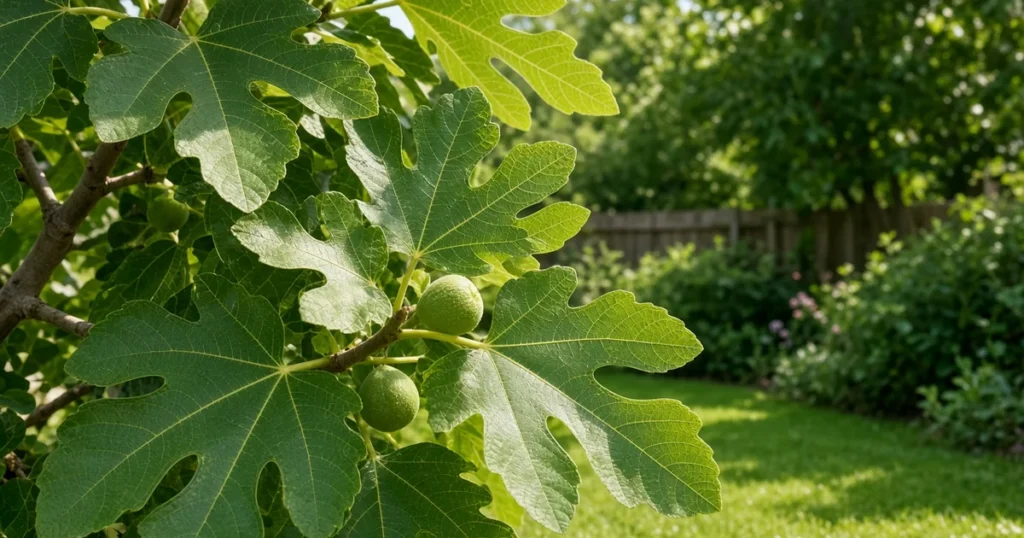
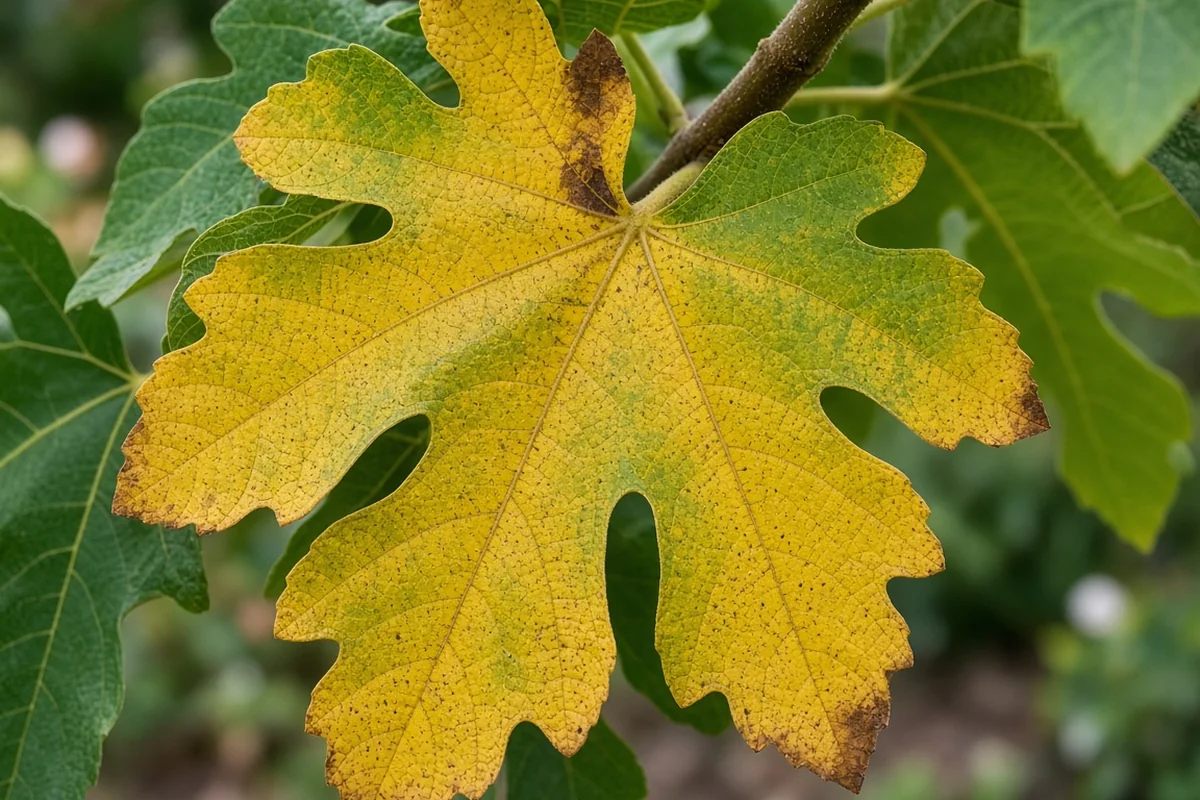
Fig tree leaves turning yellow most often signal a watering problem. Clemson Cooperative Extension notes yellowing plus dropping leaves show a fig needs water. Soggy soil, fig rust plus low fertility can also yellow leaves. Figs are deciduous, so yellow leaves in fall before leaf drop are normal.
The short answer
Check the soil first. Clemson Cooperative Extension notes yellowing plus dropping leaves mean a fig needs water, about 1 inch per week. UF/IFAS notes figs will not tolerate excessively wet soil. Late summer yellow brown leaves with reddish brown spots underneath point to fig rust. Fall yellowing is seasonal.
Is the fig too dry or too wet?
Clemson Cooperative Extension notes figs need consistent watering through the summer. As a general rule, 1 inch of water per week from rain or irrigation is adequate. Yellowing plus dropping leaves indicate the plant needs water. Figs grown in lawns may need one or more waterings per week in hot, dry spells.
Too much water is also a problem. UF/IFAS notes figs will not tolerate excessively wet soil but need plenty of water while fruiting. University of Maryland Extension advises against potting mix that stays constantly wet. Let the soil dry a few inches below the surface first.
| Cause | Sign | Fix |
|---|---|---|
| Dry soil | Yellowing plus dropping leaves | About 1 inch of water per week |
| Wet soil | Yellow leaves in soggy mix | Let soil dry a few inches down |
| Fig rust | Yellow brown leaves, reddish brown spots below | Usually not fatal, watch for yearly repeats |
| Low fertility | Small or yellowing leaves | Complete liquid fertilizer in spring |
| Fall dormancy | Leaves yellow then drop | Normal, no fix needed |
Source: Clemson Cooperative Extension plus UF/IFAS plus Iowa State University Extension.
Could fig rust or nematodes be the cause?
Clemson Cooperative Extension notes fig rust is a fungus that attacks leaves, usually in late summer. Severely infected leaves turn yellow brown plus drop. The undersides carry many small, slightly raised, reddish brown spots. A dusty golden yellow mass of spores often covers them.
Fig rust is usually not fatal, but repeated epidemics weaken the plant. Heavy leaf drop reduces fruit size plus quality. Root knot nematodes are the primary fig pest in the South Carolina sandhills plus coastal plain. Dig a few roots plus look for galls or swelling.
Does a fig need feeding?
Sometimes. Iowa State University Extension notes uncommonly small or yellowing leaves can signal a potted fig needs to be fed. A complete liquid fertilizer provides the needed nutrients. Apply it when growth begins in spring.
Clemson Cooperative Extension notes figs grow satisfactorily in moderately fertile soils without fertilizer. Fertilizer is needed in soils of very low fertility. University of Maryland Extension advises feeding container figs once per month in May, June plus July.
How to: step by step
- Record the season plus which leaves are yellow.
- Feel soil moisture a few inches below the surface.
- Give about 1 inch per week in dry spells.
- Let wet potting mix dry before watering again.
- Inspect leaf undersides for reddish brown rust spots.
- Feed small, yellow potted figs with a complete liquid fertilizer in spring.
Troubleshooting
Yellow, dropping leaves in summer heat: dry soil. Water about 1 inch per week, more for figs in lawns.
Yellow brown leaves in late summer: fig rust. Check the undersides for reddish brown spots plus golden spores.
Weak tree with swollen roots: root knot nematodes. Set new figs away from old garden sites.
For related reading see underwatering cannabis, overwatering plus cannabis growth plus frost damage on cannabis. Kind Seed Co also stocks cannabis seeds.
Sources
- Growing hardy figs in Iowa, Iowa State University Extension
- Growing figs in Maryland, University of Maryland Extension
- Fig, Clemson Cooperative Extension Home and Garden Information Center
- Fig, UF/IFAS Gardening Solutions
FAQ
Do fig trees lose leaves in winter?
Yes. Figs are deciduous fruit trees or large shrubs, as Clemson Cooperative Extension notes. Iowa State University Extension notes potted figs can stay in a cool place once their leaves start changing color. University of Maryland Extension advises removing suckers after fig leaves drop in fall. Leaves that yellow in autumn before dropping are normal.
How often should a fig tree be watered?
Clemson Cooperative Extension notes 1 inch of water per week from rain or irrigation is a general rule. Iowa State University Extension advises watering potted figs when the top 1 to 2 inches of soil are dry, until water drains from the container. Figs need more water in hot summer months plus while fruiting.
Can fig trees grow in pots?
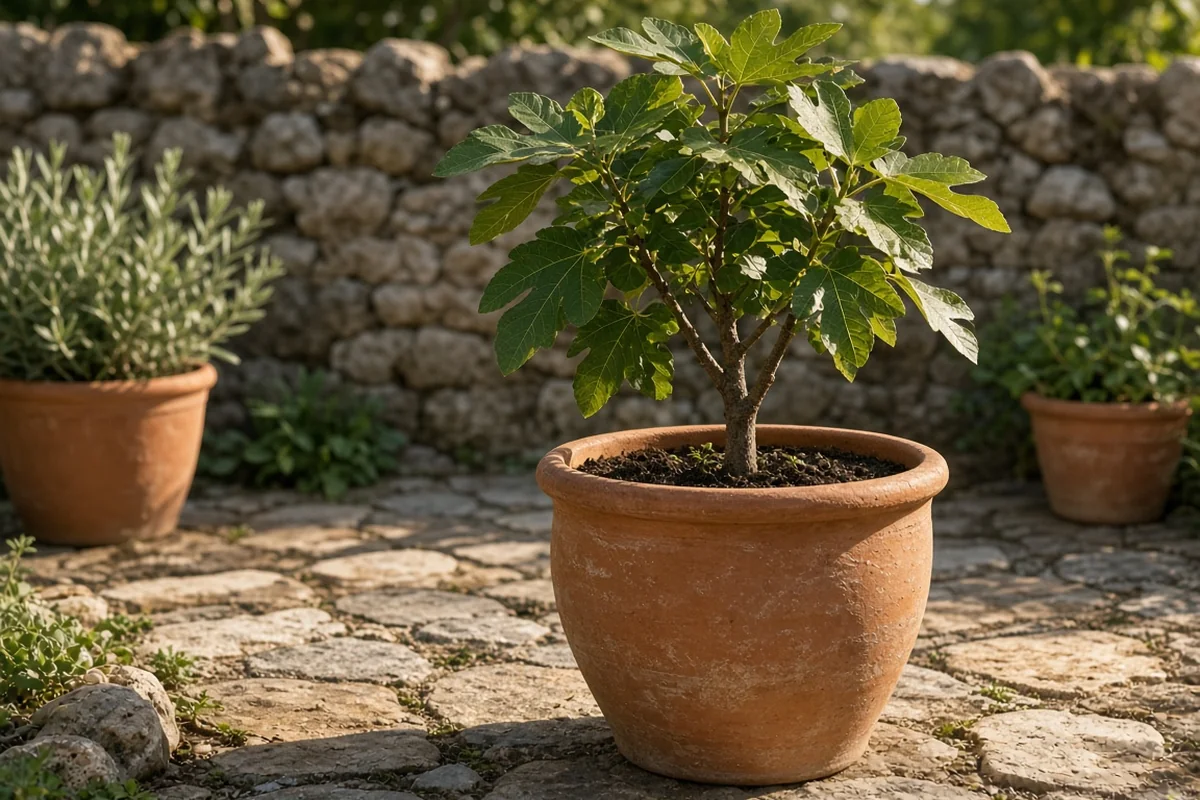
Yes. University of Maryland Extension advises a 50:50 mix of compost plus soilless growing medium for container figs. Place them in full sun plus water regularly, especially after fruit starts to form. Iowa State University Extension notes figs prefer loamy, well drained, slightly acidic soil with a pH of 6.0 to 6.5.
Why is my potted fig dropping leaves?
Check the soil moisture first. Yellowing plus dropping leaves point to a fig that needs water. Constantly wet potting mix is also a problem, so let the mix dry a few inches below the surface. Small yellowing leaves can signal a need for a complete liquid fertilizer applied in spring.
Is fig rust fatal?
Usually not. Clemson Cooperative Extension notes fig rust attacks leaves in late summer, turning them yellow brown before they drop. Repeated epidemics weaken the plant, plus heavy leaf drop reduces fruit size plus quality. Unless fig rust is an annual problem, Clemson notes control steps are not warranted. Check fallen leaves for reddish brown spots to confirm it.