
Filling a Raised Bed Cheaply With Logs plus Leaves
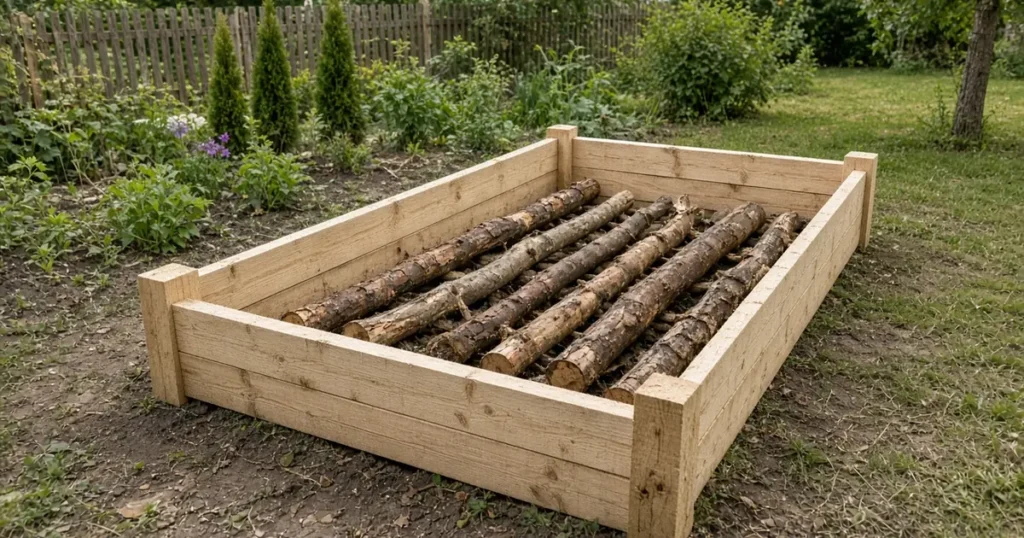
Filling a raised bed cheaply works by putting free bulky material at the bottom plus buying soil only for the top. Clemson Cooperative Extension notes that logs plus branches in a raised bed lessen the amount of soil plus compost needed. University of Arizona Cooperative Extension describes the layers from large logs up to topsoil.
The short answer
Lay logs plus branches in the bottom of the bed, fill the gaps with leaves plus grass clippings, then cap it with topsoil plus compost. Clemson Cooperative Extension notes this lessens the soil plus compost needed. Use hardwoods like maple or oak plus skip black walnut, cedar plus chemically preserved lumber.
How do you layer a raised bed?
University of Arizona Cooperative Extension describes large logs at the base, smaller branches plus twigs above, then plant waste plus a layer of compost plus topsoil. Clemson Cooperative Extension advises stacking wood from largest to smallest.
| Layer | Material | Note |
|---|---|---|
| Bottom | Large logs | Hardwoods such as maple or oak |
| Second | Branches plus twigs | Break down sooner than logs |
| Third | Leaves plus grass clippings | Fill every gap between the wood |
| Top | Topsoil plus compost | Plant into this layer |
Source: University of Arizona Cooperative Extension plus Clemson Cooperative Extension.
Which wood works and which should be skipped?
University of Arizona Cooperative Extension advises starting with logs of birch, maple, oak or spruce. It advises avoiding black walnut, cedar, redwood, black locust, pine plus black cherry. It also advises against railroad ties or other chemically preserved lumber. Clemson Cooperative Extension advises against diseased trees.
What goes on top of the wood?
University of Maryland Extension advises a mix of compost plus garden soil at a 1:2 or 1:1 ratio. It notes local vendors sell topsoil already mixed with compost. Clemson Cooperative Extension advises mulching around the bed to help with weed suppression plus temperature control.
How to: step by step
- Lay large hardwood logs in the bottom of the bed.
- Pile smaller branches plus twigs on top.
- Fill every gap with leaves plus grass clippings.
- Wet each layer as you go.
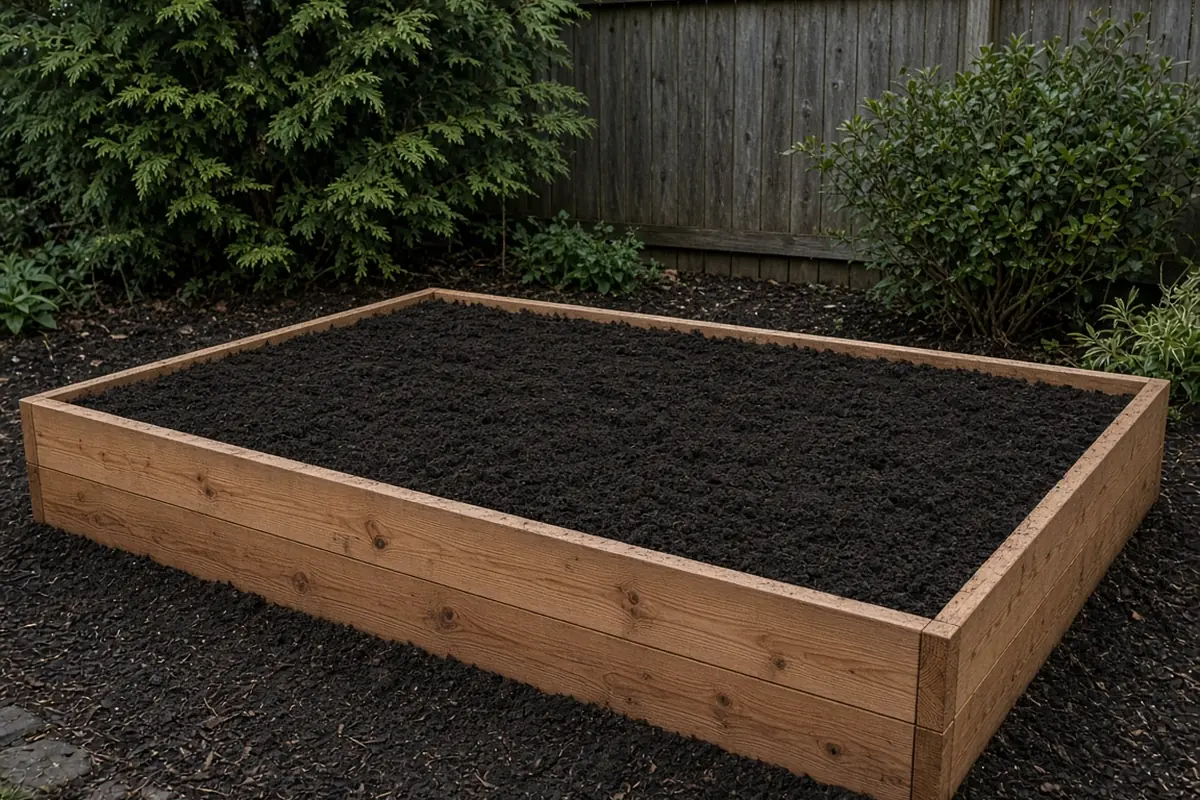
- Cap with a topsoil plus compost mix.
- Plant into the top layer plus mulch it.
Troubleshooting
Bed sinking after a season: the wood is breaking down. Add fresh compost each season to refill the bed.
Plants pale at first: the layers lack fresh green material. Add grass clippings or other nitrogen rich layers next time.
Air pockets plus dry spots: the gaps between logs stayed open. University of Arizona Extension notes the more compact the fill the better.
For related reading see buying topsoil for cannabis beds, leaf mold for cannabis beds plus raised beds for cannabis. Kind Seed Co also stocks cannabis seeds.
Sources
- Hugelkultur, University of Arizona Cooperative Extension
- Hugelkultur gardening, Clemson Cooperative Extension HGIC
- Building raised beds for vegetable gardening, University of Maryland Extension
FAQ
Can leaves fill a raised bed?
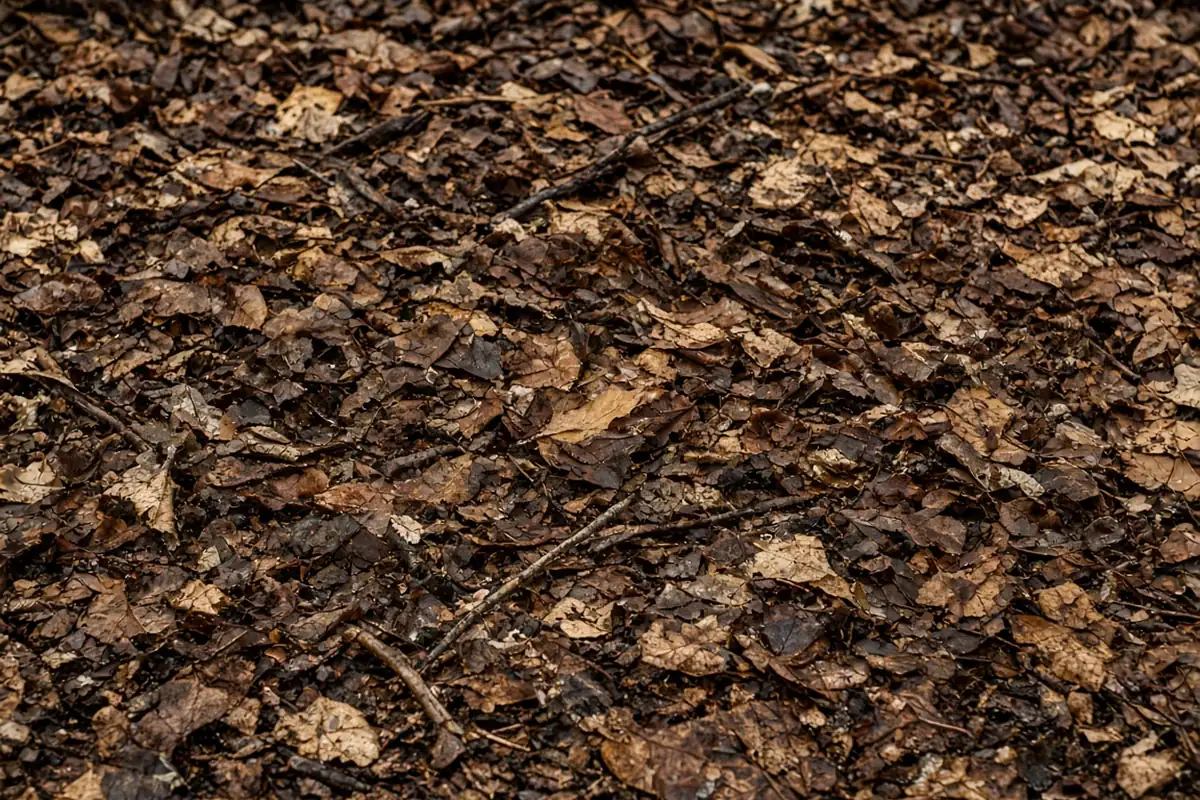
Leaves work well between the woody layers. University of Arizona Extension advises filling the gaps with clippings plus leaves. Clemson Cooperative Extension advises a thick layer of plant material such as fallen leaves between the wood. Pack them down firmly so they do not leave air pockets, then water them before adding the next layer of material.
Does the fill shrink over time?
University of Arizona Extension notes the pile gets smaller as the woody material breaks down. Clemson Cooperative Extension notes larger wood takes longer to break down than branches. Clemson advises adding compost over time to refill the bed. Plan on topping up the bed each season for the first few years.
Can I buy soil already mixed with compost?
University of Maryland Extension notes some local vendors sell topsoil mixed with compost. It advises a compost to soil ratio of 1:2 or 1:1 for the top of a bed. Buying only enough for the top layer is where most of the savings come from when the bottom holds logs.
Which woods should be skipped?
University of Arizona Extension lists black walnut, cedar, redwood, black locust, pine, willow, cypress plus black cherry to avoid. It also advises against railroad ties or other chemically preserved lumber. Clemson Cooperative Extension advises against diseased trees or leaves. Stick with plain hardwood logs plus branches instead.
Does cardboard go under the logs?
Clemson Cooperative Extension describes a 3 to 4 inch layer of cardboard at the bottom of a raised bed before the wood goes in. The cardboard smothers grass plus weeds below. Lay it flat plus wet it down, then stack the wood from largest to smallest on top.


