
How to Start a Garden From Scratch on a Bare Yard
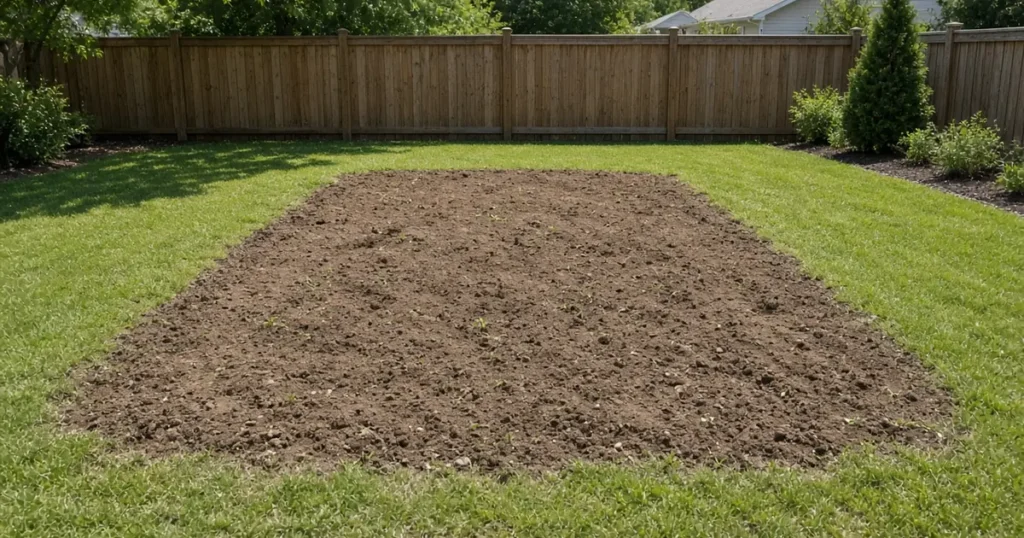
Knowing how to start a garden from scratch comes down to site, size plus soil. University of Maryland Extension advises starting with a small space of 25 to 50 square feet. University of Wisconsin Madison Extension advises a site with at least six hours of direct sun. Plan on paper first, then clear the ground.
The short answer
Pick a spot with at least six hours of sun plus water within hose reach. Start with 25 to 50 square feet. Remove the grass, work in 2 to 3 inches of compost plus plant easy crops such as bush beans, tomatoes plus lettuce. University of Delaware Extension notes a small garden done well beats a big one done poorly.
Where should a new garden go?
University of Wisconsin Madison Extension advises a site with at least six hours of direct sun that drains well with no standing puddles. University of Maryland Extension advises easy access to water by hose. Skip low spots where cold air settles.
| Step | Target | Source |
|---|---|---|
| Sun | At least six hours | Wisconsin |
| First size | 25 to 50 square feet | Maryland |
| Compost | Work in 2 to 3 inches | Wisconsin |
| Timing | Prepare the season before | Wisconsin |
Source: University of Wisconsin Madison Extension plus University of Maryland Extension.
How do you clear grass from a new garden?
University of Wisconsin Madison Extension advises removing sod with a sod cutter or a shovel. It advises working 2 to 3 inches of compost into the soil at least a month before planting. Starting the work the year before gives the soil time to settle.
Why send a soil sample before planting?
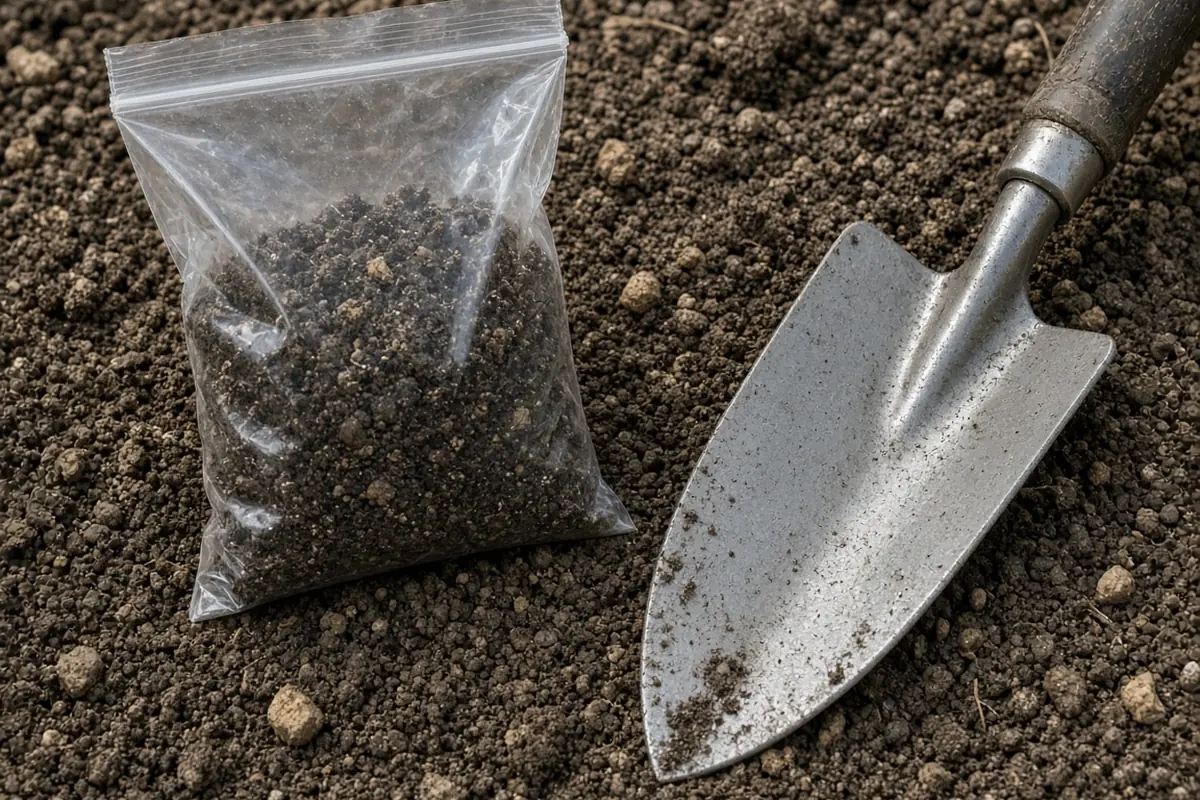
University of Wisconsin Madison Extension advises sending a soil sample to a certified lab for a nutrient analysis. The results show what the soil needs before you add fertilizer or lime. A sample can still go out after the garden is started.
How to: step by step
- Draw the garden plan on paper.
- Pick a spot with six hours of sun plus water nearby.
- Stake out 25 to 50 square feet.
- Remove the sod with a shovel or sod cutter.
- Work in 2 to 3 inches of compost.
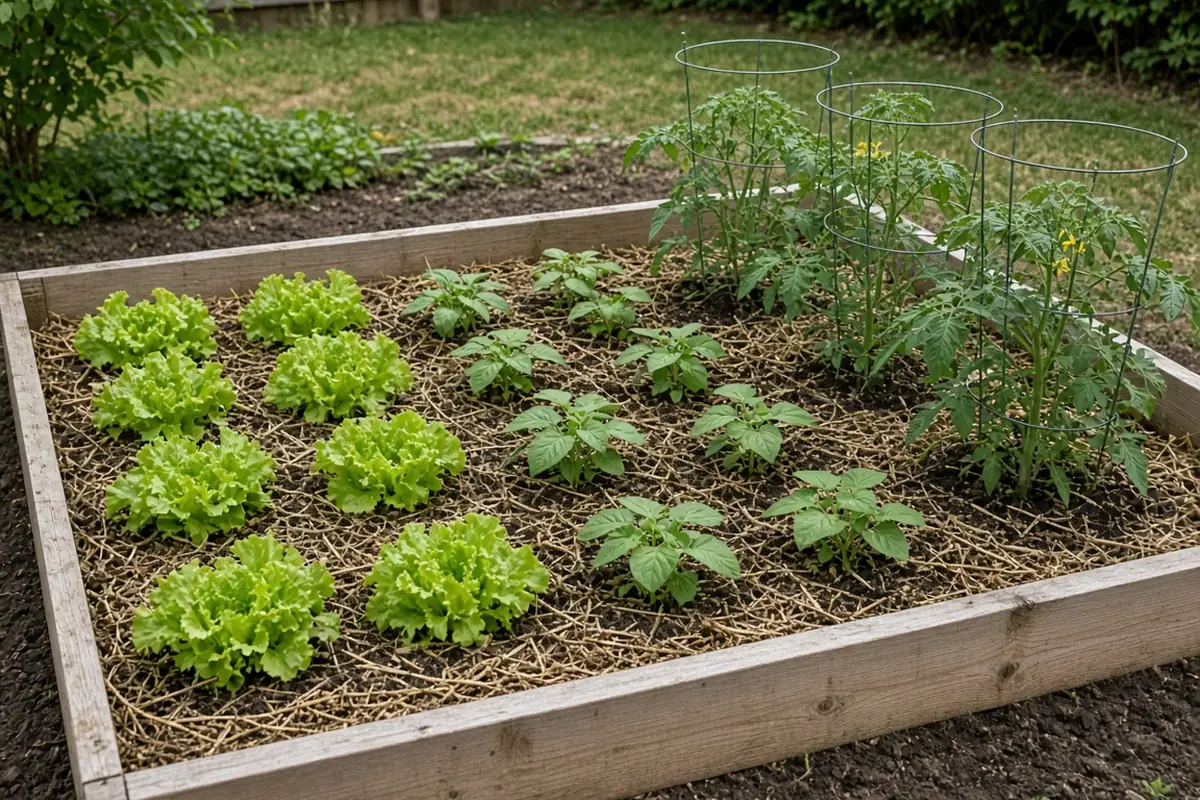
- Sow a few easy crops.
Troubleshooting
Plants growing slowly: the site gets less than six hours of sun. Shift the bed to a sunnier spot next season.
Soil staying soggy: the site drains poorly. Use a raised bed or a better drained spot.
Too much work: the garden is too big for the time you have. Scale back to 25 to 50 square feet.
For related reading see planning an outdoor cannabis garden layout, soil sampling for cannabis plus when is soil ready to work. Kind Seed Co also stocks cannabis seeds.
Sources
- Make a plan, home vegetable gardening, University of Illinois Extension
- Planning a vegetable garden, University of Maryland Extension
- Planning a vegetable garden, University of Delaware Cooperative Extension
- Beginning vegetable gardening basics: site selection and soil preparation, University of Wisconsin Madison Extension
FAQ
When should you start a new garden?
University of Wisconsin Madison Extension advises starting preparation the year before planting when you can. It advises working compost in at least a month before planting, so early work pays off. University of Delaware Extension advises planning the garden on paper long before spring so you are ready to plant on time.
What are easy crops for beginners?
University of Maryland Extension lists bush beans, tomatoes, cucumbers, peppers, lettuce, summer squash plus leafy greens as easy crops. Start with a few you like to eat. University of Delaware Extension notes a good job on a small garden is better than a poor job on a large one.
Do I need to till a new garden?
University of Wisconsin Madison Extension advises working compost into the top layer with a shovel or tiller after the sod comes off. University of Maryland Extension notes raised beds are another option that avoids deep digging. Either way the goal is loose soil with plenty of organic matter.
How much time does a new garden take?
University of Maryland Extension notes a vegetable garden needs at least a small amount of daily attention for planting, staking plus weeding. It notes in ground beds need more weeding than raised beds. Starting small lets you learn how much time the garden takes before you add more space.
Should a first garden be raised beds or in ground?
University of Maryland Extension notes raised beds drain well but need some upfront labor plus material costs. It notes in ground beds need more weeding. University of Wisconsin Madison Extension notes the site should drain well, so raised beds suit wet soil that holds puddles.


