
Garden by a Pool Deck: Glare plus Tidy Plants

A garden by a pool deck has to cope with reflected sun, splashed pool water plus the need for tidy plants. University of Arizona Cooperative Extension notes pools plus decks reflect a large amount of sun, while UF/IFAS seeks poolside plants that tolerate an occasional splash.
The short answer
Pick tidy, sun tolerant plants. Arizona Extension advises plants with little litter, since debris dirties the pool plus can clog its equipment. It also advises low water use plants, since too much water can damage decking. UF/IFAS notes no poolside plant survives a deluge of chlorine or salt water.
Which plants work beside a pool?
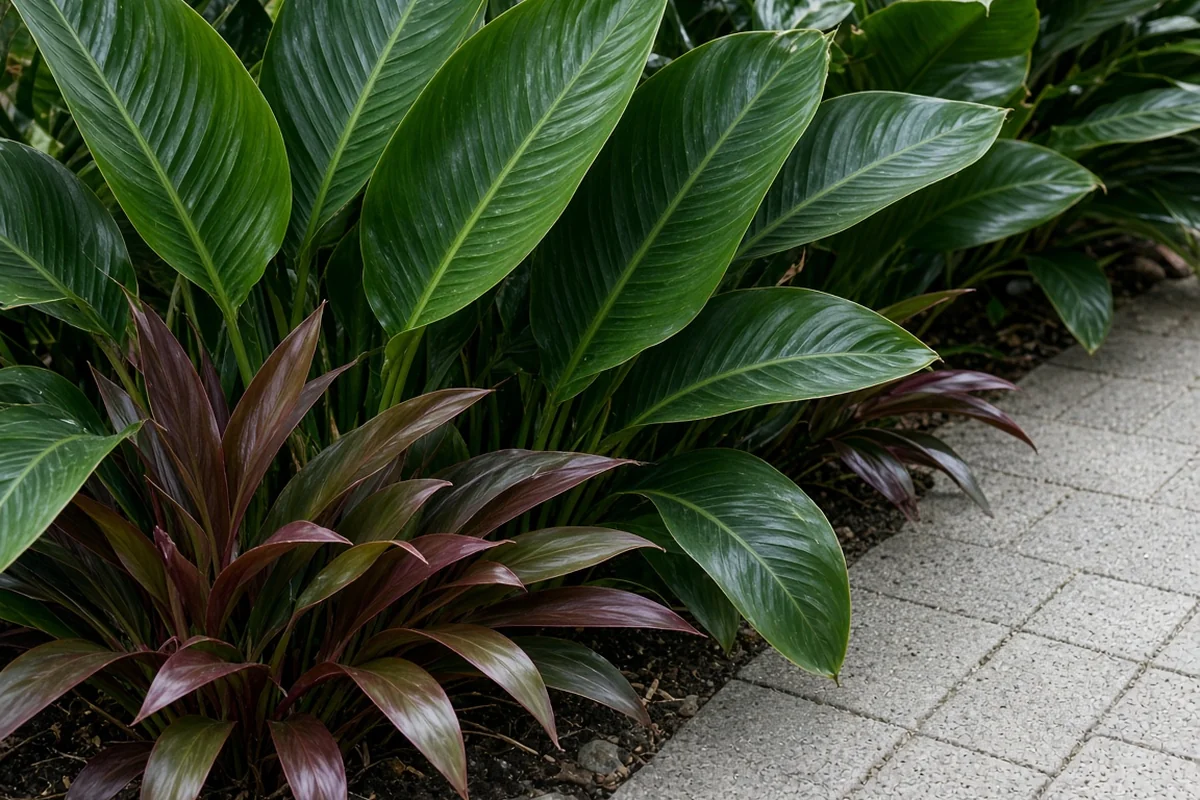
UF/IFAS suggests bird of paradise, compact hibiscus, cordyline, shell ginger, dwarf schefflera plus dwarf croton. Arizona notes cacti plus succulents drop almost no litter.
| Pick | Why | Source |
|---|---|---|
| Bird of paradise | Little leaf litter, light salt spray | UF/IFAS |
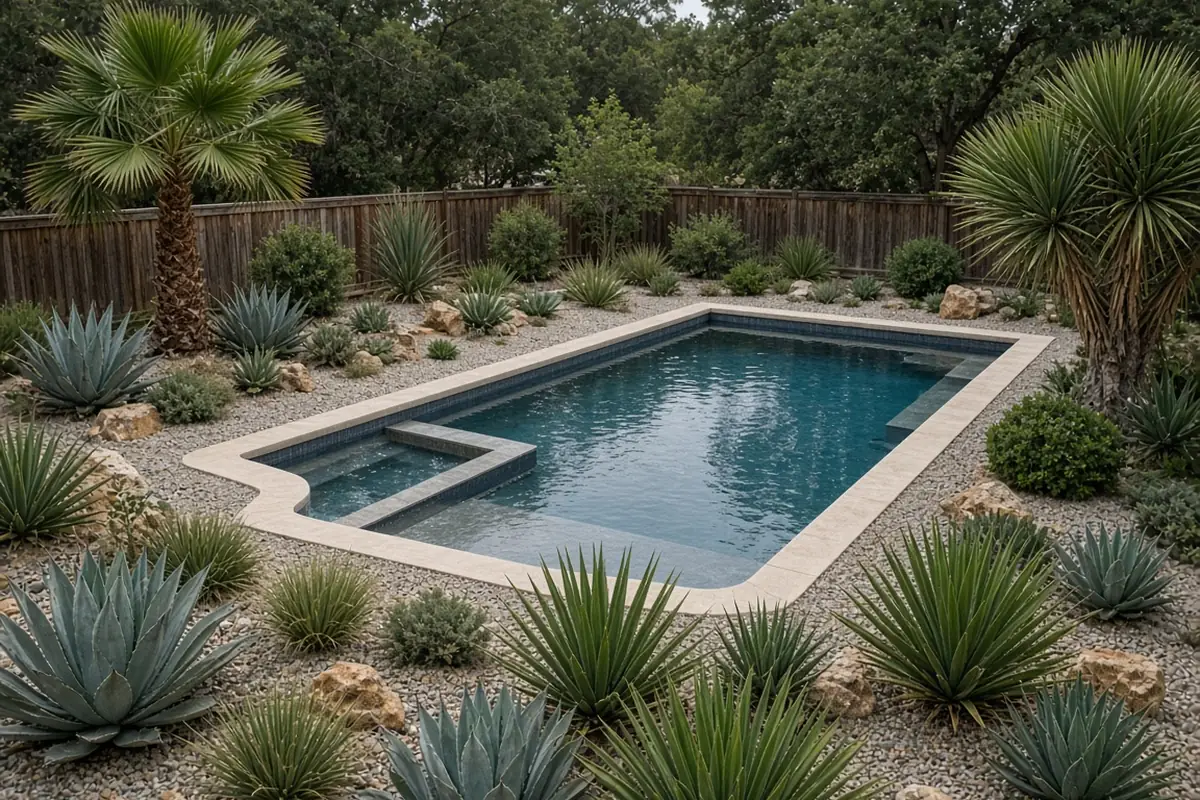
| Cacti plus succulents | Almost no litter, little water | Arizona |
| Showy flowered plants | Animal pollinated plus cleaner | Arizona |
| Plants that drop leaves at once | One cleanup a year | Arizona |
| Dwarf croton | Compact, bright color in sun | UF/IFAS |
How does pool water affect plants?
UF/IFAS notes poolside plants must tolerate an occasional splash, but none survive a deluge of chlorine or salt water. Arizona advises low water use plants, since heavy watering can harm decking or equipment.
How far should beds sit from the pool?
The sources give no set distance. Arizona advises planting cacti far from paths, setting plants with seasonal litter downwind plus siting some trees well away from the pool.
How to: step by step
- Map sun, wind plus splash zones around the deck.
- Favor low litter plants.
- Set plants with seasonal litter downwind of the pool.
- Pick plants that can take reflected sun.
- Water with drip lines to stop runoff onto paving.
- Mulch beds with material that will not blow into the pool.
Troubleshooting
Leaves in the pool: use low litter plants plus plant downwind.
Scorched plants near paving: the deck reflects sun, per Arizona. Choose plants that can handle it.
Brown leaves by the edge: repeated splashing. UF/IFAS notes no plant survives a deluge of chlorine.
Stained paving: Colorado State notes drip irrigation avoids runoff damage to pavement.
For site planning see garden microclimates for cannabis, planning an outdoor cannabis garden layout plus cannabis heat stress. Kind Seed Co also stocks cannabis seeds.
Sources
- Poolside plants, UF/IFAS Gardening Solutions
- Landscaping around your pool (AZ1058), University of Arizona Cooperative Extension
- Drip irrigation for home gardens, Colorado State University Extension
- Mulches for home gardens and plantings, University of Wisconsin Extension Horticulture
FAQ
Can pool water be used on plants?
The sources do not cover watering with pool water. UF/IFAS notes poolside plants can tolerate an occasional splash, but none survive a deluge of chlorine or salt water. Bird of paradise can handle a light spray of salt, so it suits the edge of a deck.
Which mulch works near a pool?
Wisconsin notes leaves used as mulch tend to blow away on windy days, which would land them in the pool. It notes gravel or pebbles are often used in plantings, usually over a synthetic mulch. Organic mulches buffer soil temperature, cooler by day plus warmer at night.
Are thorny plants a problem by a pool?
Arizona advises planting cacti far enough from the path to spare beach balls. Cacti plus succulents still suit poolside beds because they thrive in high light, need little water plus produce almost no litter, per Arizona Extension.
Which trees should stay away from a pool?
Arizona lists plants to site far from pools, including mesquites, ash, jacaranda, bottlebrush plus Chinese elm. For palms, it advises pruning fronds plus removing flowers before seeds set to limit litter. Debris left behind dirties the pool plus can clog its equipment.
Does drip irrigation suit pool beds?
Yes. Colorado State notes drip irrigation exceeds 90 percent efficiency, while sprinklers run 50 to 70 percent. Water applied slowly near plants avoids runoff, so drip eliminates the pavement damage that sprinkler runoff can cause. That suits beds that sit right next to decking.



