
Garden Near a Dryer Vent: Warm Moist Air plus Lint
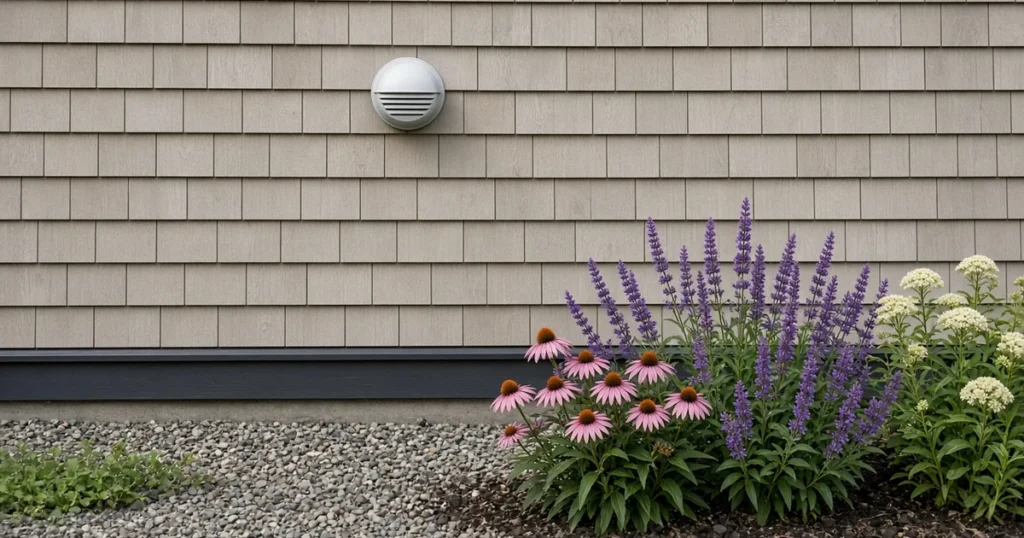
A garden near a dryer vent sits by the house wall, where warm moist air puffs out each laundry day. No Extension source covers dryer vents directly, so the advice here draws on Clemson Cooperative Extension advice on spacing plants from foundations plus walls.
The short answer
Set plants back from the vent so air plus lint can escape. Clemson advises foliage of large shrubs at least 5 feet from walls for air circulation plus mulch at least 12 inches from the foundation. Use low plants near the vent plus clear lint by hand when you see it on leaves.
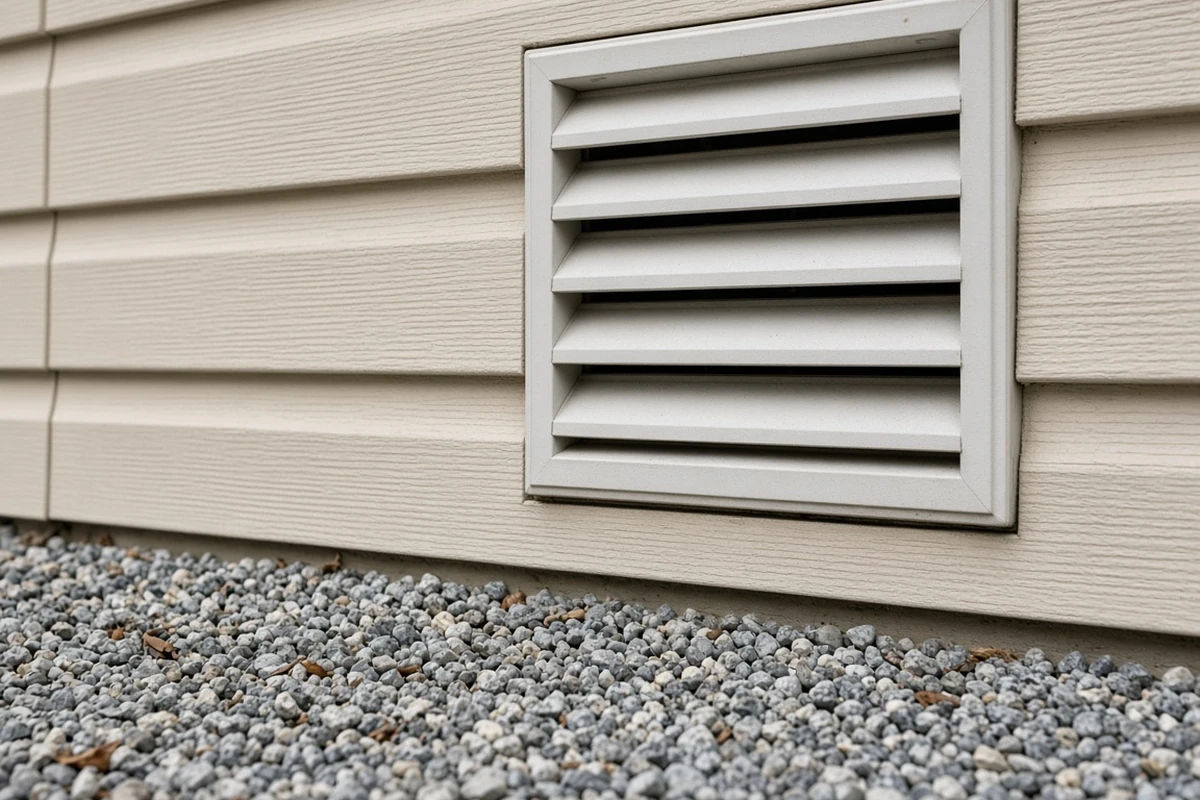
Can plants grow near a dryer vent?
Yes, if they sit away from the wall. Clemson notes shrubs over 6 feet at maturity should have foliage at least 5 feet from walls for air circulation plus less mildew. It also advises checking mature width first.
How much space should a vent have?
No source gives a vent distance, so use Clemson spacing for walls.
| Item | Distance from wall | Source |
|---|---|---|
| Mulch plus groundcovers | At least 12 inches | Clemson |
| Shrubs over 6 feet | Foliage at least 5 feet | Clemson |
| Drought tolerant plants | Within 5 to 10 feet | Clemson |
| Organic mulch depth | About 3 inches | Wisconsin |
Which plants suit a damp spot by the house?
Iowa State University Extension lists perennials for moist soils, such as swamp milkweed, turtlehead plus cardinal flower. Turtlehead grows in part sun to part shade, which suits the side of a house. Clemson notes watering within 5 to 10 feet of the foundation can cause moisture problems, so water those plants with care.
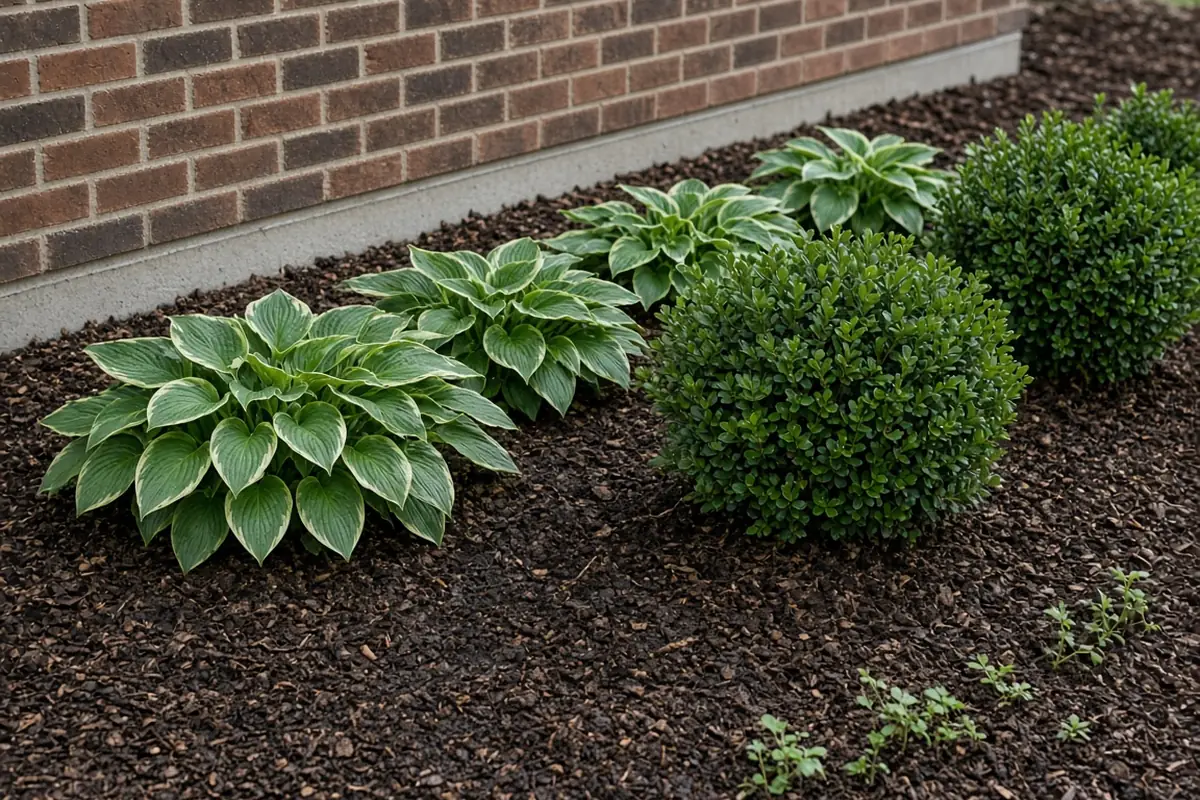
How to: step by step
- Mark an open zone in front of the vent.
- Hold mulch at least 12 inches from the foundation.
- Set shrub foliage at least 5 feet from the wall.
- Choose low plants near the vent.
- Water with drip so the soil by the wall stays drier.
- Scan leaves for lint plus brush it off.
Troubleshooting
Mildew on shrubs by the wall: move them back. Clemson notes 5 feet of space improves air circulation.
Soil stays wet by the house: Clemson notes watering near the foundation can cause moisture problems. Water lightly there.
Lint on leaves: brush it off plus clear plants away from the vent.
For more on site planning see garden microclimates for cannabis, planning an outdoor cannabis garden layout plus cannabis heat stress. Kind Seed Co also stocks cannabis seeds.
Sources
- Foundation plantings, Clemson Cooperative Extension HGIC
- Mulches for home gardens and plantings, University of Wisconsin Extension Horticulture
- Native perennials for moist to wet soils, Iowa State University Extension, Yard and Garden
- Drip irrigation for home gardens, Colorado State University Extension
FAQ
How far should plants sit from a dryer vent?
No source gives a vent distance, so Clemson foundation guidance is a fair guide. It advises foliage of shrubs over 6 feet at maturity at least 5 feet from walls for air circulation. Low plants can sit closer, while mulch plus groundcovers stay at least 12 inches from the foundation.
Should you water plants by the house wall?
Clemson Cooperative Extension notes watering within 5 to 10 feet of the foundation can cause moisture problems. It advises drought tolerant plants in that zone. Near a dryer vent, which already adds warm moist air, that means watering lightly plus aiming water at the plant roots instead of the wall.
Which mulch works near a vent?
University of Wisconsin Extension notes most organic mulches go about 3 inches deep. It notes gravel plus pebbles are often used in permanent plantings. Clemson advises holding mulch plus groundcovers at least 12 inches from the foundation, so a gravel strip by the wall can suit a vent area.
Why hold mulch away from the foundation?
Clemson notes mulch plus groundcovers should stay at least 12 inches from the foundation so termites have no bridge into the house. The gap also lets the wall dry out. Next to a dryer vent, a bare or gravel strip leaves an open path for warm air plus lint.
Is drip a good choice by the house?
Colorado State University Extension notes drip applies water slowly so it soaks in. Emitters sit over each root ball, so less water lands on the wall. That suits a bed by a dryer vent, where Clemson notes extra water near the foundation can cause moisture problems.



