
Grow Light for String of Turtles: Peperomia Prostrata in Small Pots
The short answer
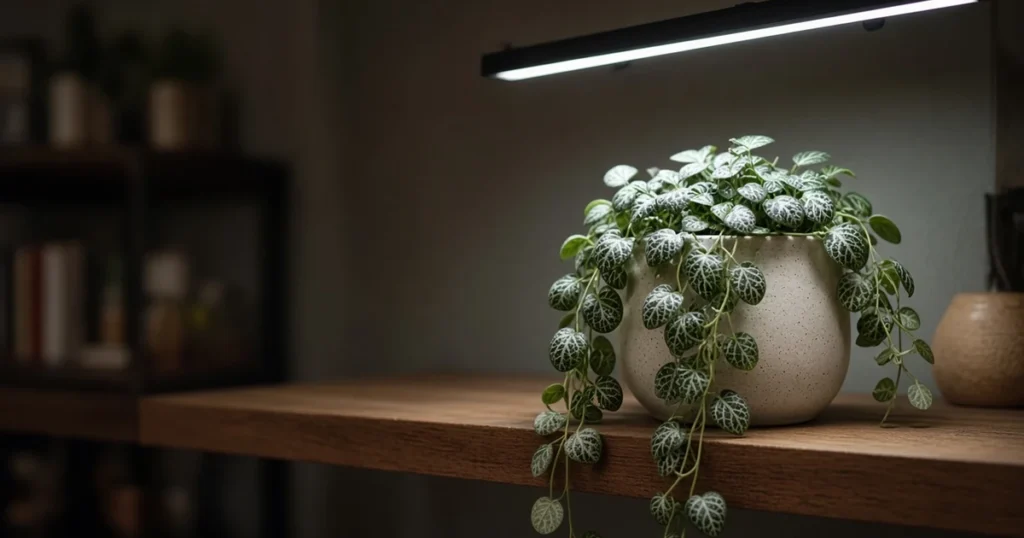
A grow light for string of turtles gives this small trailing peperomia the bright, indirect light it prefers indoors. NC State Extension notes that it tolerates low light but loses leaf color there. Set a foliage plant light 12 to 24 inches above the pot and run it 12 to 14 hours a day on a timer.
How much light does string of turtles need?
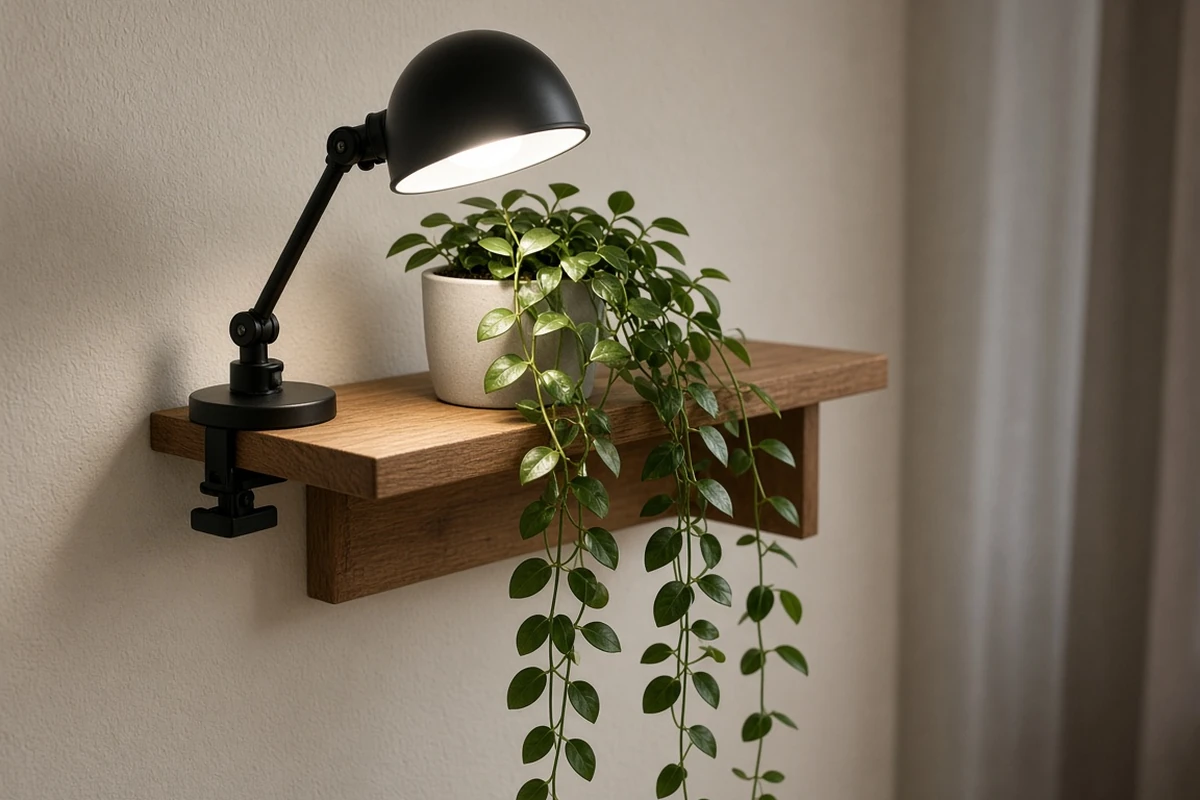
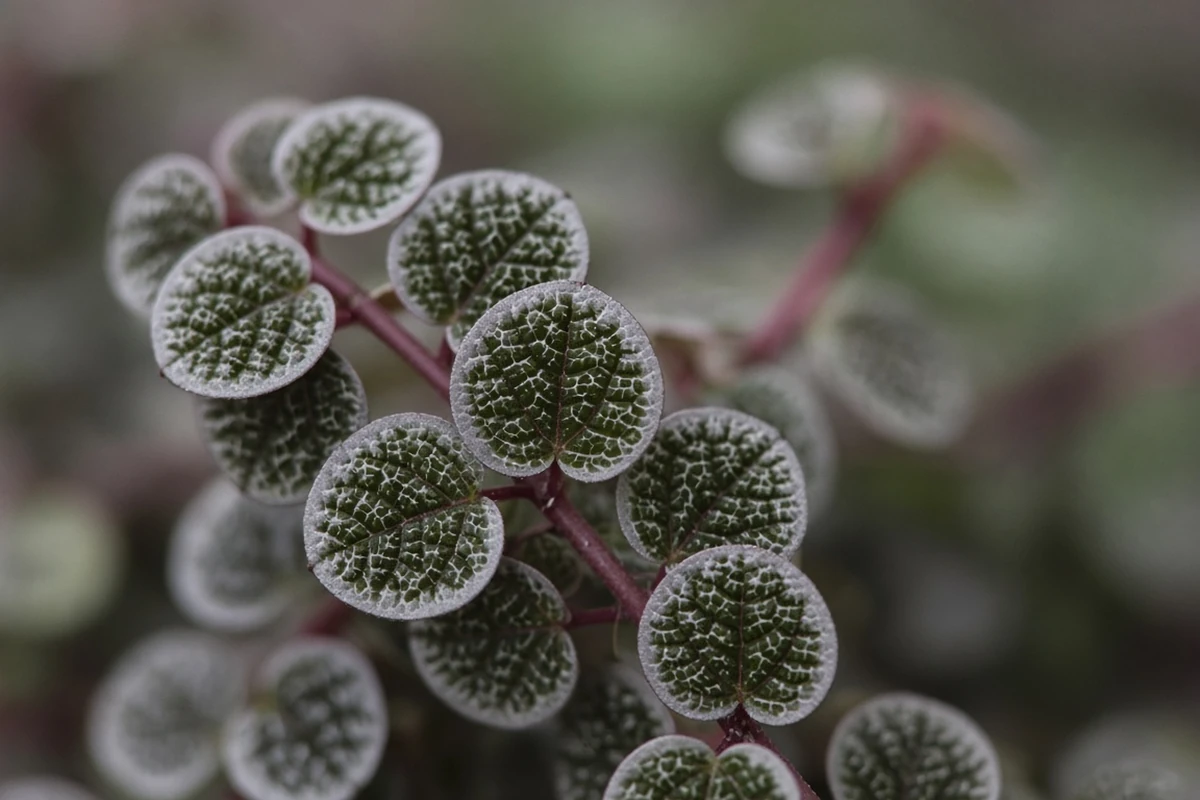
String of turtles is Peperomia prostrata, native to the wet tropics of Ecuador. NC State Extension says it thrives in bright, indirect light and can tolerate low light, though leaf color will not be as vibrant. Its leaves are under an inch across, on trailing stems up to about 12 inches.
The University of Missouri Extension advises a medium light level for peperomias and notes they tolerate poor light only for limited periods. The University of Minnesota Extension gives medium light as 150 to 250 PPF and low light as 50 to 150 PPF. Aim for medium.
Which grow light suits string of turtles?
A small LED over the pot works well. Minnesota gives 12 to 24 inches as the hanging distance for foliage houseplants and 12 to 14 hours of light a day. Put the light on a timer so day length stays steady. For more on fixtures, see grow lights for cannabis and led light distance cannabis. A timer guide is in grow light timers.
How do you tell if string of turtles has the right light?
Check the leaves and stems. Minnesota notes that plants with too little light become leggy, with long, thin stems reaching toward the light and long gaps between leaves. On string of turtles, that shows as bare stretches of stem and faded leaf patterns. Too much light can cause scorched and bleached leaves. Raise or lower the light, or change the hours, until leaves stay patterned and close.
String of turtles light basics
| Stage | What to do | Notes |
|---|---|---|
| Level | Medium light | 150 to 250 PPF |
| Distance | 12 to 24 inches | Foliage houseplant range |
| Hours | 12 to 14 a day | Use a timer |
| Watch | Check stems and leaves | Leggy means too little light |
| Adjust | Move the light | Bleached leaves mean too much |
Sources: University of Minnesota Extension, NC State Extension, University of Missouri Extension.
How to: step by step
- Place the pot under a small LED grow light.
- Hang the light 12 to 24 inches above the plant.
- Set a timer for 12 to 14 hours a day.
- Water when the mix begins to dry, since overwatering can rot the roots.
- Watch for stretched stems or faded leaves.
- Move the light closer or farther until growth stays tight.
Troubleshooting
Stems stretch with gaps between leaves: light is too low. Move the light closer or add hours.
Leaves look bleached or scorched: light is too intense or close, so raise it.
Leaves lose their pattern: light is low. Move toward the medium light range.
Small plant, simple light
A modest grow light and timer cover most of what string of turtles needs. If you also grow from cannabis seeds, Kind Seed Co has more light guides to explore.
Sources
- Peperomia prostrata (string of turtles), NC State Extension Gardener Plant Toolbox
- Lighting for indoor plants and starting seeds, University of Minnesota Extension
- Lighting indoor houseplants (G6515), University of Missouri Extension
FAQ
Can string of turtles take direct sun?
NC State Extension recommends bright, indirect light. Minnesota notes too much light can scorch and bleach leaves, so filter direct sun.
How many hours of light does it need?
University of Minnesota Extension gives 12 to 14 hours a day for foliage houseplants. A timer holds that schedule steady.
Why is my string of turtles stretching?
Too little light makes stems leggy, with long, thin stems reaching toward the light, according to Minnesota Extension. Move the light closer or add hours.
What pot suits string of turtles?
A small pot with good drainage. NC State notes it does well pot bound and that overwatering can cause root rot.
Does string of turtles need humidity?
NC State Extension says it prefers average to higher humidity and suggests a humidifier or a tray of wet pebbles.



