
Growing a Name in Grass Seed: Sowing Letters in a Tray or Lawn
The short answer
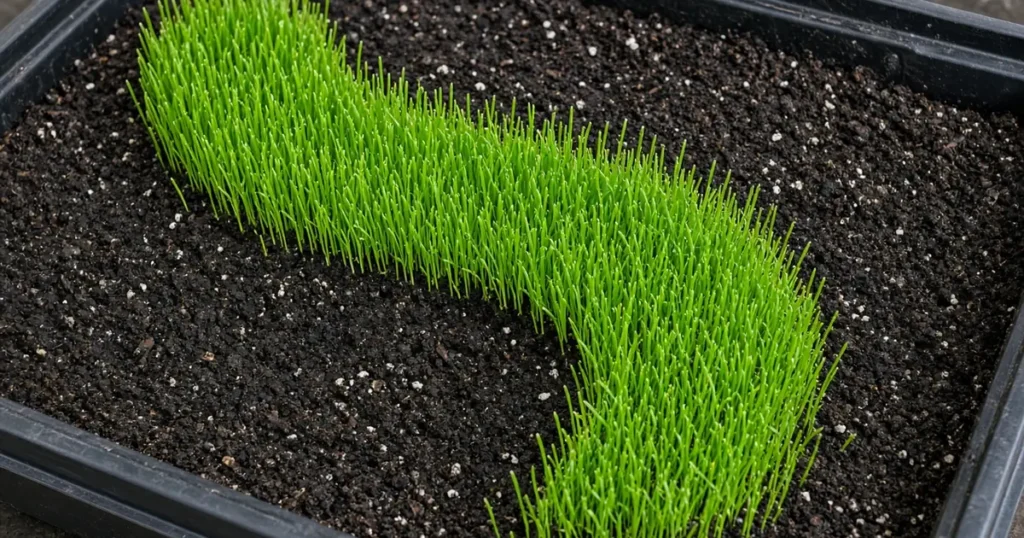
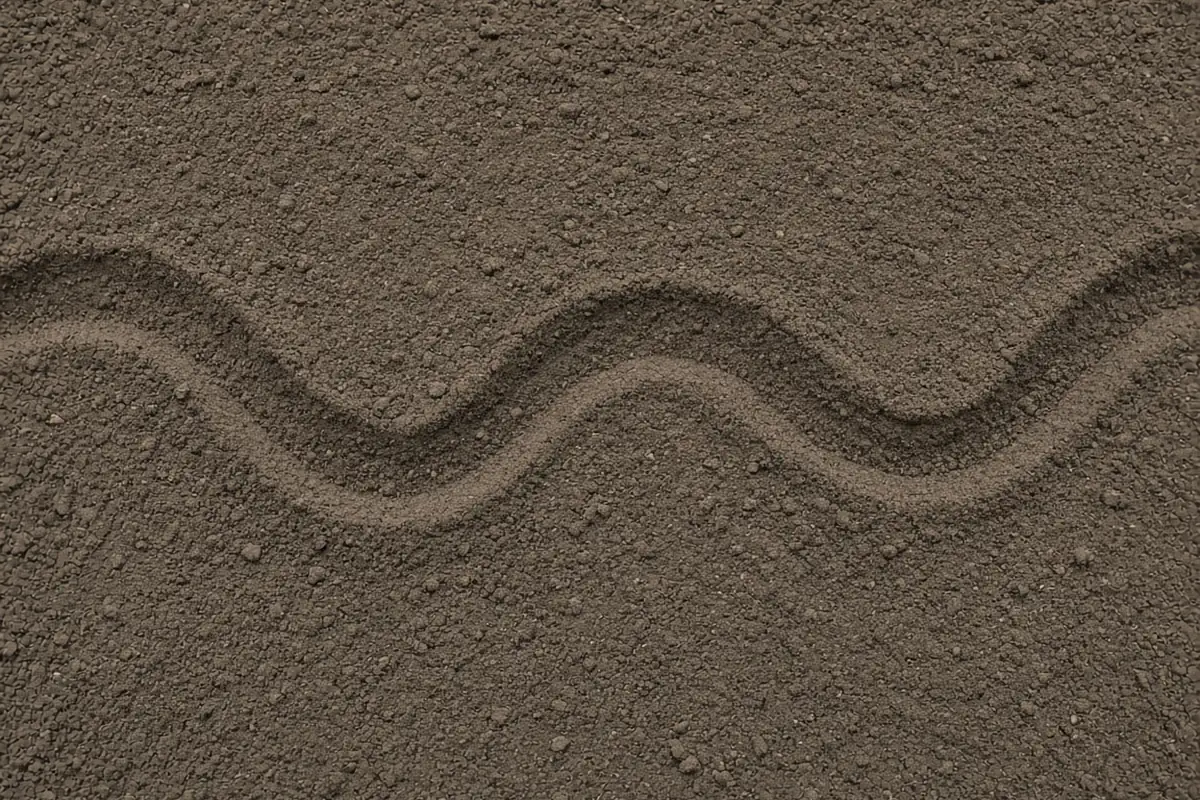
Fill a shallow tray with moist soilless mix or rake a bare lawn patch smooth. Draw the letters with a stick, sow seed thickly along the lines and press it into the surface. Water the seedbed lightly at least once a day so it stays moist. Trim the letters once the grass grows tall so the name stays easy to read.
Growing a name in grass seed means sowing seed thickly along letter shapes so the sprouts spell a word. A seed tray indoors gives quick results, while a bare lawn patch works in mild weather. Extension guides on seeding stress good seed to soil contact and steady moisture until the grass is established.
How do you grow a name in grass seed?
Think of it as a tiny lawn shaped like letters, so the rules for any new grass apply. Iowa State University Extension notes that successful seeding requires good seed to soil contact and that the seedbed should stay moist with frequent, light applications of water, usually at least once a day.
Kids learn plenty watching seeds wake up. The University of Maine 4H seed germination activity has children watch seeds sprout on a wet coffee filter. They learn how variables like light and warmth affect where seeds grow. If you want to show them what is inside each seed, cannabis seed anatomy explains the parts any seed shares.
Should you use a tray or a lawn patch?
Both work. A tray gives control and quick results indoors. A lawn patch makes a bigger sign but depends on the season.
| Option | Timing | Notes |
|---|---|---|
| Indoor tray | Any time you can provide light and warmth | Fill a shallow tray 1 to 1.5 inches deep with moist soilless mix (University of Maryland) |
| Lawn patch, cool season grass | Mid August to mid September in Iowa | Seed sprouts quickly in warm late summer soil (Iowa State) |
| Sunny patch | Late summer | Kentucky bluegrass suits sunny areas (Iowa State) |
| Shady patch | Late summer | Fine leaf fescues suit shady spots (Iowa State) |
Sources: University of Maryland Extension, Iowa State University Extension.
University of Maryland Extension advises against garden soil in indoor containers because it is too dense. Use a light, soilless mix instead. For mix options, read peat free potting mix for cannabis.
How do you get sharp letters?
Sow thickly and narrowly. University of Maryland Extension notes that seeds for microgreens are sown much more densely than for full grown crops, and the same idea gives letters solid edges. Sow seed only inside the lines, then press it down for good contact.
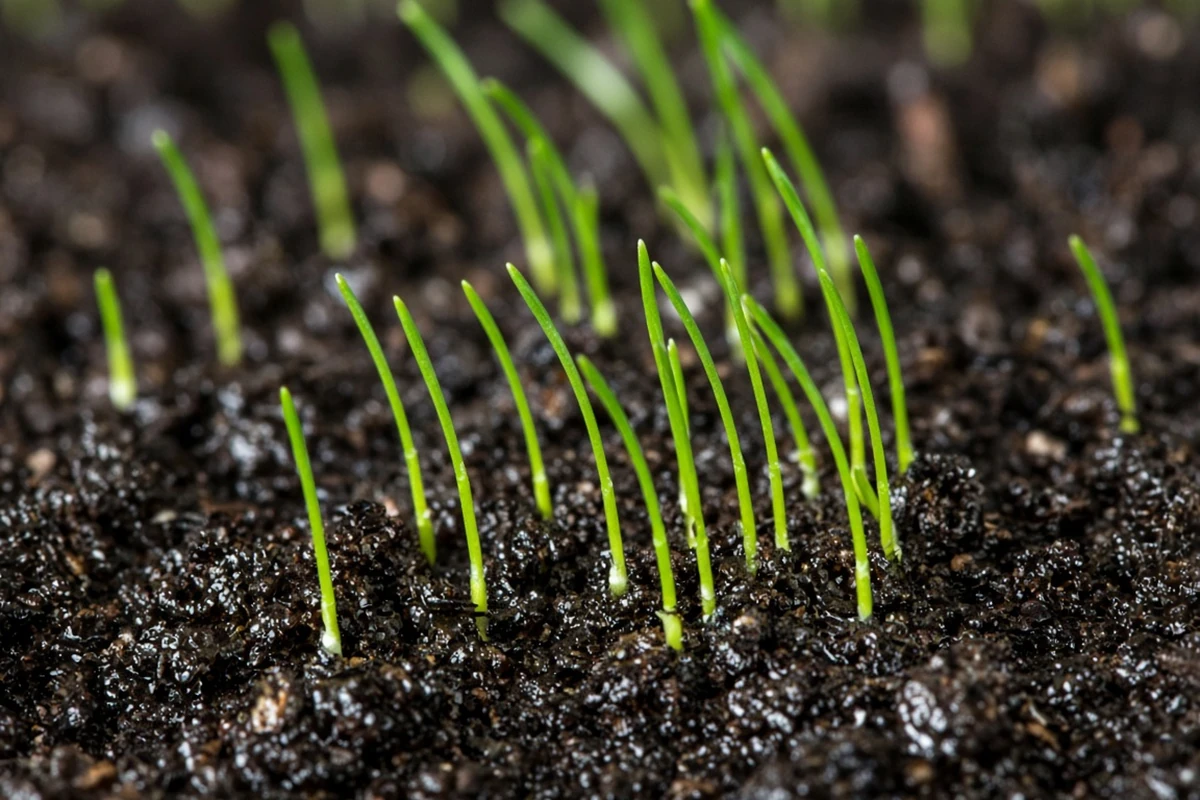
Water gently so seed stays put. A fine mist or a light sprinkle wets the surface without washing seed out of the letters. To judge moisture in a tray, see checking soil moisture by feel. For a lawn name, Iowa State suggests gradually raising the mowing height over the weeks after the seedlings appear, with a final height of three inches.
How to: step by step
- Fill a tray or rake a bare patch smooth.
- Mark the letters with a stick.
- Sow seed thickly along the lines.
- Press seed into the soil.
- Mist the surface every day.
- Trim the letters once the grass is tall.
Troubleshooting
Patchy letters: the surface dried out. Mist more often, at least once a day.
Blurry edges: seed scattered wide. Sow along narrow lines and press the seed in.
Slow sprouting: cold soil. Move the tray somewhere warmer. University of Maryland Extension notes that temperature, light, moisture and airflow all affect how seeds grow indoors.
A sign that grows
A name in grass makes a fun gift, a classroom project or a birthday surprise. The Kind Seed Co blog has more seed projects in the germination and seedlings section.
Sources
- Overseeding the lawn, Iowa State University Extension and Outreach
- Growing microgreens and baby greens indoors, University of Maryland Extension
- 4H Friday fun activity sheet: seed germination, University of Maine Cooperative Extension
FAQ
Which grass seed sprouts fastest?
The sources here do not rank grass types by speed. Iowa State University Extension notes that cool season grass seed germinates quickly in the warm soils of late summer, so timing matters as much as the type. Indoors, warmth, light and steady moisture help any seed sprout sooner in a tray.
How long until the name shows?
It depends on the seed and conditions, and warm soil and a moist surface speed things up. Iowa State University Extension says cool season grass germinates quickly in late summer soil. Check the seed packet for the expected days to sprout and mist the soil every day until they fill in.
Can you use other seeds?
Yes. University of Maryland Extension describes growing microgreens in shallow trays of soilless mix, sown much more thickly than full grown crops. The same dense sowing works for letters made of greens. The University of Maine 4H activity also uses several types of small seeds to compare sprouting.
Will the letters last in a lawn?
Not for long. Grass spreads and fills in, so the edges blur as the patch joins the rest of the lawn. Iowa State University Extension notes that new grass should be mowed and moved toward a final height of three inches, which also trims the letters into the surrounding turf over time.
Can you use garden soil in the tray?
University of Maryland Extension advises against garden soil in indoor containers because it is too dense. Use a light soilless mix instead.


