
Planting a Salsa Garden: Tomatoes, Peppers, Onions and Cilantro
The short answer
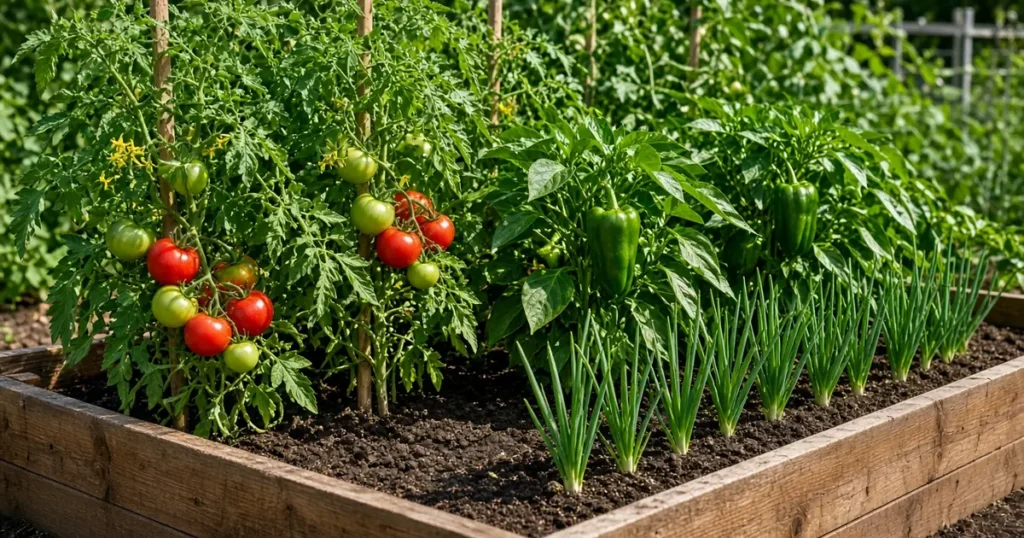
Plan a sunny bed about four by ten feet. University of Illinois Extension suggests at least two tomato plants, two or three peppers, up to 30 onion sets and two or three plants each of cilantro, basil and parsley. Set tomatoes and peppers out once the weather and soil warm, and sow cilantro in spring and fall.
A salsa garden is a bed planted with the main salsa ingredients, usually tomatoes, peppers, onions and cilantro, sometimes with tomatillos or garlic. Extension guides suggest paste tomatoes for meaty flesh, full sun for tomatoes and planting warm season crops after frost. Sow cilantro in cooler weather, since it bolts quickly in heat.
What goes in a salsa garden?
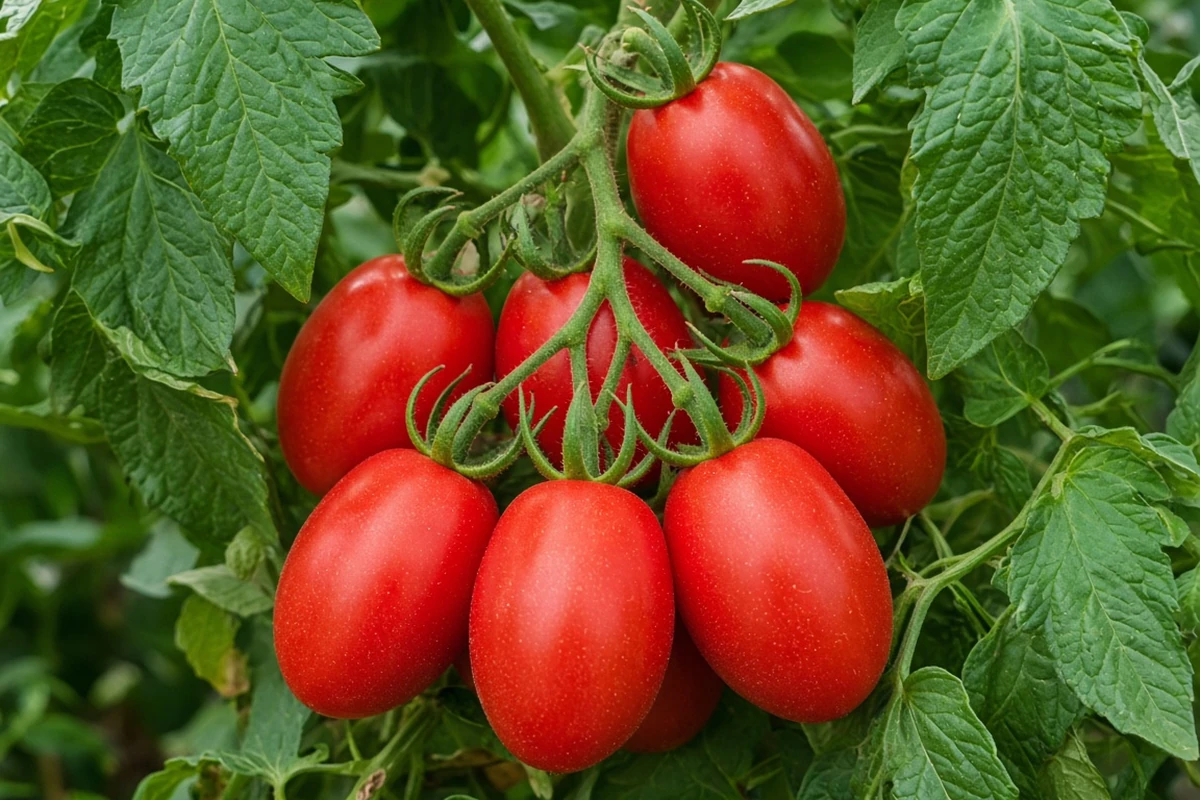
Tomatoes come first. University of Illinois Extension recommends paste tomatoes, which have a full flavor and rich, meaty, low moisture flesh. Varieties to try include ‘San Marzano’, ‘Roma’ and ‘Veeroma’. Illinois also suggests a large type tomato such as Celebrity alongside the paste type.
Pick peppers by how much heat you like. Plant any green, sweet bell type and add a hot variety for spicy salsa. Illinois Extension calls tomatillos a must for most traditional salsas. Onions, chives, garlic, cilantro, basil and oregano all have a place too.
| Crop | Planting time | Notes |
|---|---|---|
| Tomatoes | About two weeks after the average last frost or when soil stays above 60 °F | Plant at least two (Illinois) |
| Peppers | After night lows stay above 50 °F | Soil of 70 °F is ideal (UMN) |
| Onions | From seeds or sets | Up to 30 sets (Illinois) |
| Cilantro | Cool spring and fall weather | Bolts at the first sign of heat (Penn State) |
| Basil and parsley | Two or three plants each | Basil is an annual, parsley a biennial (Illinois) |
Sources: University of Illinois Extension, University of Minnesota Extension, Penn State Extension.
How do you plan a salsa garden bed?
Illinois Extension lays out a sample salsa garden on a four by ten foot bed. Two tomatoes and three peppers fill one row, with cilantro, onions, parsley, basil and oregano in front. That groups the tall plants.
University of Minnesota Extension describes tomatoes as heat loving plants that need a long, frost free season and full sun. Stake or cage tomatoes at planting so you don’t damage roots later. Rich soil helps every crop in the bed, and fertilizer and compost for growing outdoors explains how to prepare it.
When should you plant salsa crops?
Timing follows temperature. University of Minnesota Extension advises transplanting tomatoes after all danger of frost has passed and the soil has warmed. Peppers go out after nighttime lows stay above 50 °F. Illinois Extension notes that peppers don’t tolerate long spells below 50 °F or cold, wet soil. Seedlings started indoors need a gradual move outside, and hardening off cannabis seedlings covers the steps.
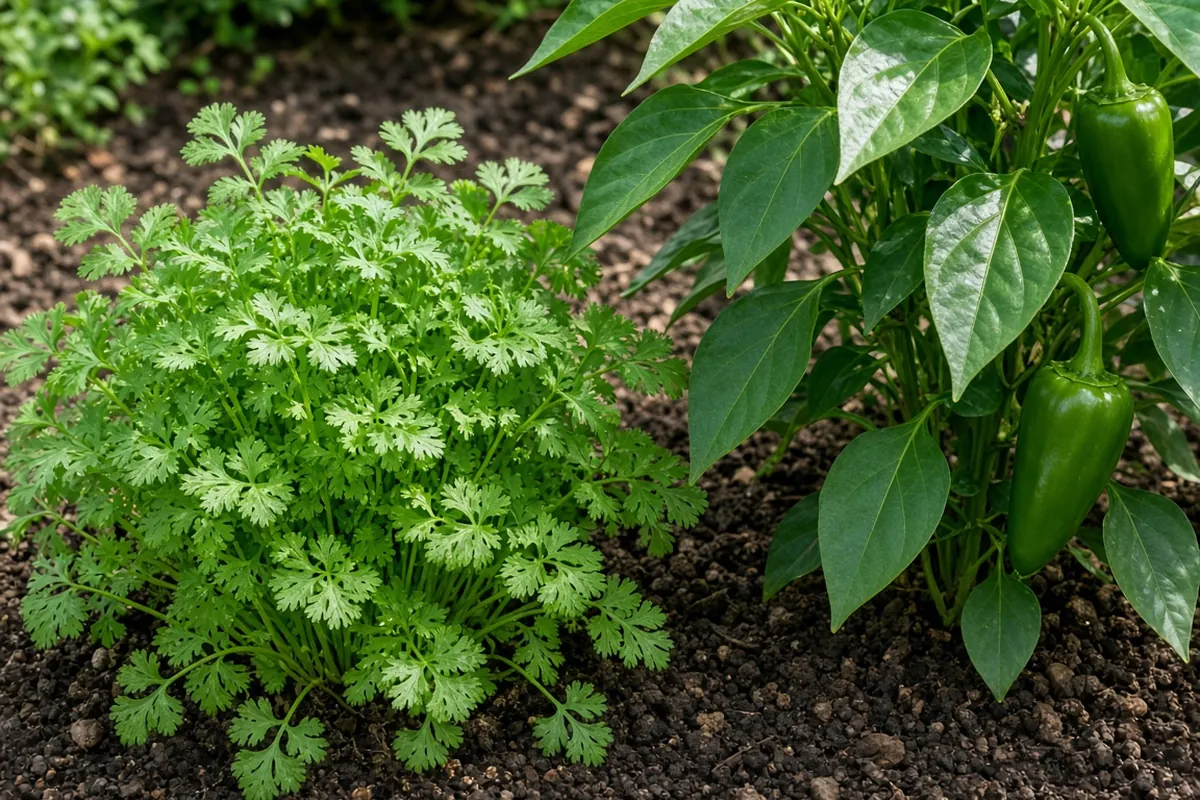
Cilantro runs on a different clock. Penn State Extension says it thrives in cool spring and fall weather and flowers quickly at the first sign of heat. Sow it every two to four weeks for a steady supply, spacing plants six to eight inches apart.
How to: step by step
- Choose a bed with full sun.
- Add compost to the soil.
- Plant onions and cilantro in cool weather.
- Plant tomatoes and peppers after frost.
- Stake or cage the tomatoes.
- Sow cilantro again for a later harvest.
Troubleshooting
Cilantro bolts early: heat. Sow in spring and fall. Penn State Extension notes that straw mulch cools the soil and afternoon shade helps.
Few peppers: cool nights. Wait until night lows stay above 50 °F before planting.
Split tomatoes: uneven growth. UMN notes that cracks form when fruit grows quickly during heavy rain and warm weather. Water deeply and evenly. To check the bed before watering, try checking soil moisture by feel.
Fresh salsa from one bed
A salsa garden puts every ingredient within reach in the same season. The Kind Seed Co blog has more garden projects in the garden layout and care section.
Sources
- How to grow a salsa garden, University of Illinois Extension
- Growing tomatoes in home gardens, University of Minnesota Extension
- Growing peppers in home gardens, University of Minnesota Extension
- Cilantro: a unique culinary herb, Penn State Extension
FAQ
Which tomatoes suit salsa?
Paste tomatoes. University of Illinois Extension notes they are smaller, with a full flavor from rich, meaty, low moisture flesh. Varieties to try include San Marzano, Roma and Veeroma. Illinois also suggests growing at least two tomato plants, such as one paste type and one large type like Celebrity.
Can a salsa garden grow in containers?
Yes. University of Illinois Extension advises choosing a container in proportion to the expected size of the plant. University of Minnesota Extension notes that bush type tomatoes may be the only option for containers or small plots. Give each pot full sun and steady moisture through the season.
Are tomatillos worth adding?
If you like traditional salsa, yes. University of Illinois Extension calls tomatillos a must for most traditional salsas and notes they are often overlooked in homemade recipes. The ancient Aztecs grew them and they remain common in Mexican cuisine, so they bring a classic flavor.
How do you extend the cilantro harvest?
Sow it often and grow it in cool weather. Penn State Extension suggests sowing every two to four weeks and notes that cilantro does well in spring and fall. Straw mulch and afternoon shade help slow bolting. Slow bolt varieties such as Slow Bolt, Calypso and Santo also extend the harvest.
When should peppers go out?
University of Minnesota Extension advises setting peppers out after nighttime lows stay above 50 °F. Illinois Extension notes that peppers don't tolerate long spells below 50 °F or cold, wet soil.



