
Growing Loofah Gourds: Long Season Vines and Drying Sponges
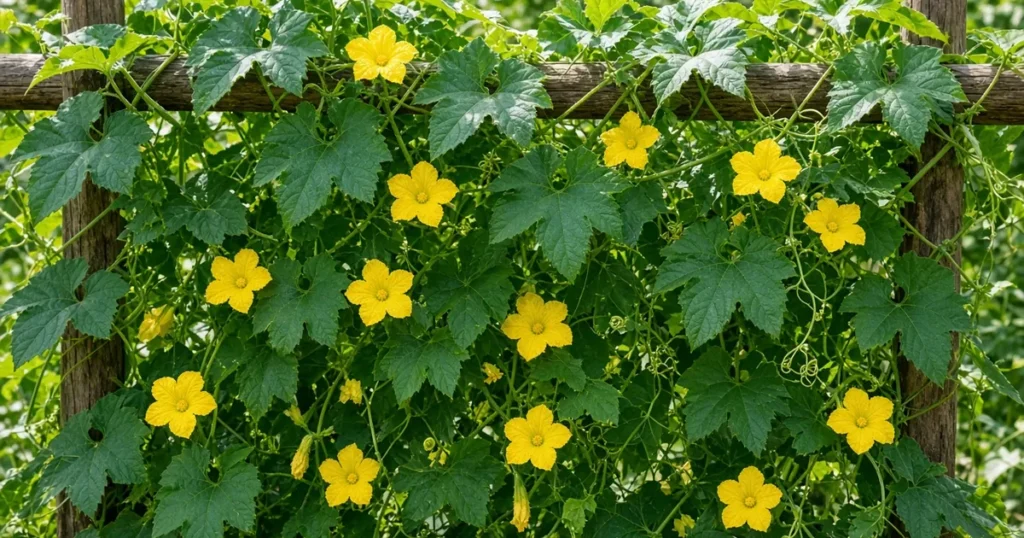
The short answer
Soak seed in warm water for 24 hours, grow transplants for four to six weeks and set them out after all danger of frost. Plant in full sun and well drained soil and train the vines up a sturdy trellis. Gaston County Extension notes that sponges take around 120 days to develop, so start early.
Growing loofah means raising a long season vine in the cucumber family whose mature fruit dries into a fibrous sponge. Extension guides recommend soaking seed, starting transplants in warm conditions, planting out after frost and giving vines a sturdy trellis. Harvest sponges when the gourds turn brown, feel light and rattle with loose seeds.
What does it take to grow loofah?
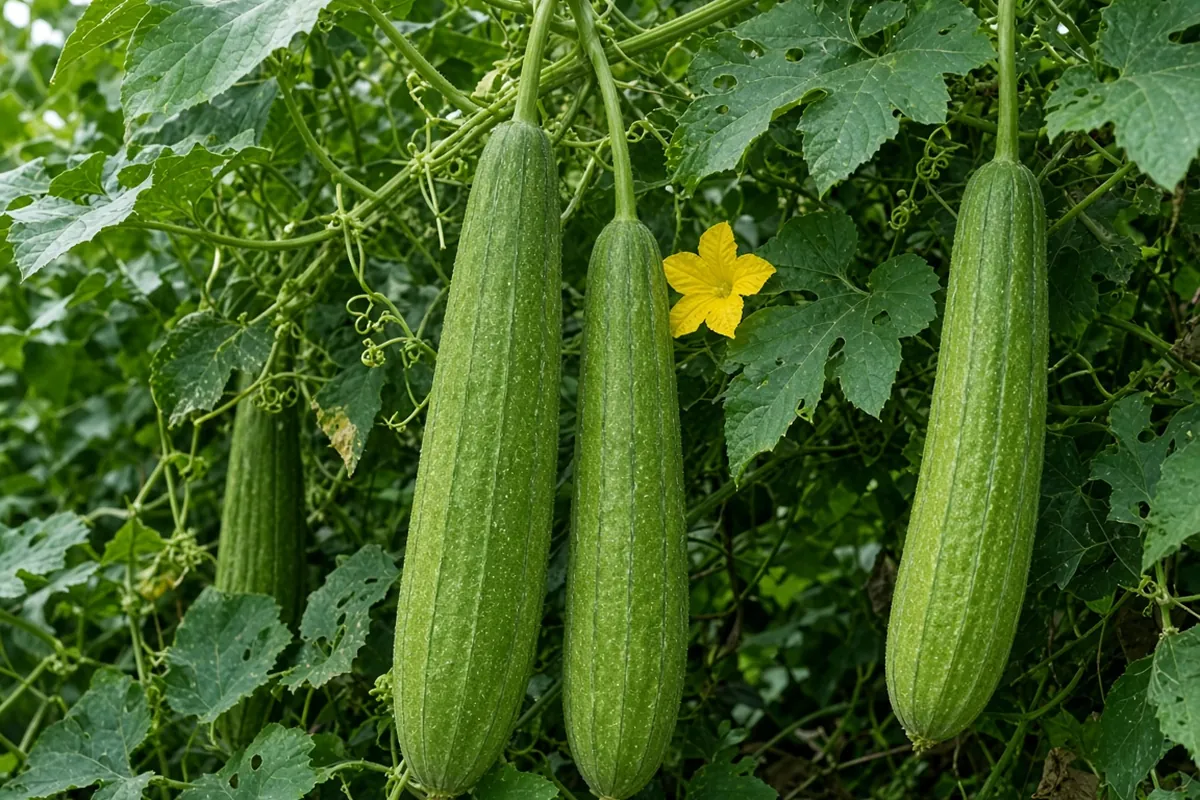
Time and heat. NC State Extension describes the luffa sponge gourd as a tropical annual vine closely related to cucumber. It needs well drained soil, full sun and good air circulation. Gaston County Extension says the plant takes around 120 days to develop fruit for sponges.
Germination is slow and uneven, so NC State recommends transplants over sowing straight into the bed. Soak seed in warm water for 24 hours, then grow transplants at 65 to 70 °F for four to six weeks. Gaston County Extension adds that you can also sow directly after the last frost, about half an inch to one inch deep. Young plants need the same gentle move outdoors as any transplant, and hardening off cannabis seedlings walks through the process.
| Stage | What to do | Notes |
|---|---|---|
| Seed | Soak in warm water 24 hours | Germination is slow and sporadic (NC State) |
| Transplants | Grow 4 to 6 weeks at 65 to 70 °F | Set out after all danger of frost (NC State) |
| Planting | Space plants 3 feet apart | Leave 6 feet between rows (Gaston County) |
| Growth | Water deeply at the base | Especially in dry spells (Gaston County) |
| Young fruit | Edible under about 6 inches | Pick early for eating (Gaston County) |
| Sponge harvest | Around 120 days | Gourds turn brown, feel light and rattle (NC State) |
Sources: NC State Extension, Gaston County Extension.
How do you support loofah vines?
Build the trellis before the vines take off. Clemson Extension notes that the vines need a sturdy trellis to hold the fruit off the ground so it does not rot before harvest. NC State Extension describes a vertical trellis similar to those used for cucumbers and pole beans, with string run between top and bottom wires or a nylon mesh to help train the vines.
Let the fruit hang free, off the ground and away from the trellis wires. NC State notes that gourds touching the soil can rot or discolor. Gaston County Extension suggests mulching or trellising to help prevent fruit rot. If you are fitting a tall trellis into a bed, see planning an outdoor cannabis garden layout, and for material ideas read mulch for cannabis.
How do you harvest and dry loofah sponges?
Let the gourds finish first. NC State Extension says mature ones turn brown and dry in autumn. Ready gourds feel light and dry and rattle with loose seeds when shaken. Clemson Extension adds that the skin feels loose and brittle when the sponge is ready.
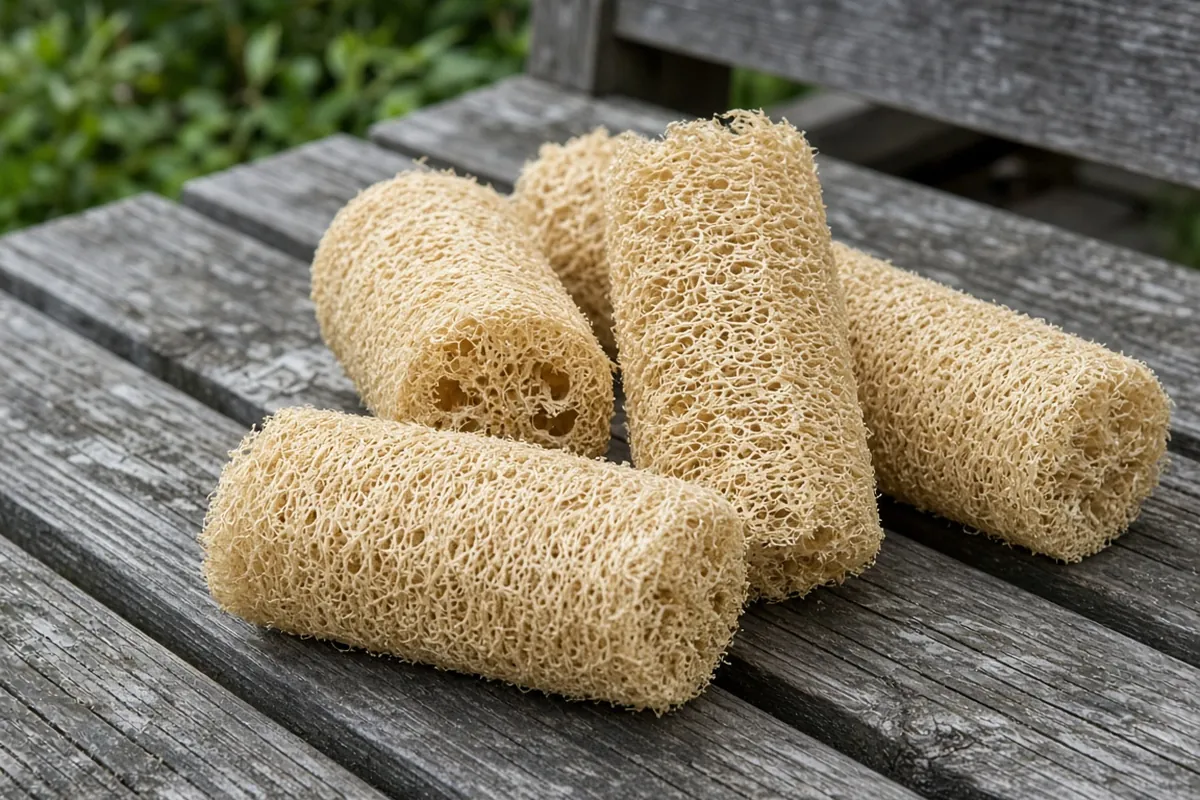
To clean them, NC State suggests soaking dried gourds in warm water for five to twenty minutes until the sponges slip out of the skins. Peel off the skin and shake out the seeds. Gaston County Extension notes that cutting the ends can help with seed removal and that sponges can air dry indoors or outdoors in the sun.
How to: step by step
- Soak seeds in warm water for 24 hours before sowing.
- Start seeds indoors four to six weeks before the last frost.
- Plant out after frost in full sun.
- Train vines onto a sturdy trellis.
- Water deeply during dry spells.
- Harvest dry gourds, peel and shake out the seeds.
Troubleshooting
No fruit: the season is too short. Start seeds earlier indoors so plants have their full 120 days.
Rotting gourds: fruit is lying on the ground. Leave gourds hanging on the trellis.
Weak sponges: picked too early. Wait until the gourds are brown, light and rattle.
A vine that gives you sponges
Loofah’s a slow crop, but few vines are as fun to harvest. The Kind Seed Co blog has more garden projects in the garden layout and care section.
Sources
- Commercial luffa sponge gourd production, NC State Extension
- Growing and harvesting luffa, NC State Extension Gaston County Center
- Growing luffa, Clemson Cooperative Extension Home and Garden Information Center
FAQ
Can you eat loofah?
Young fruit is edible. Gaston County Extension notes that luffa can be eaten when it is not allowed to mature, at no more than six inches long. NC State Extension also describes the fruit as edible when young. Once it matures and turns fibrous, it's grown for sponges instead.
How long does loofah take to mature?
Gaston County Extension says luffa needs a long season and takes around 120 days to develop fruit for sponges. That is why starting transplants indoors four to six weeks before the last frost helps. In autumn, NC State Extension notes, mature gourds turn brown and dry on the vine.
Can loofah grow in a container?
The Extension sources describe growing loofah in the ground on a vertical trellis, with plants about three feet apart. They don't cover containers. Whatever you grow it in, the vines need a long warm season, full sun and a sturdy support that holds the heavy fruit off the ground.
How do you save loofah seeds?
Shake them out of the dried sponge. Gaston County Extension advises saving mature seeds, which are typically dark in color. NC State Extension notes that luffa gourds cross pollinate easily, so seed from plants grown near other luffa types may not come true to the parent plant.
Why do loofah vines need a trellis?
Clemson Extension notes that a sturdy trellis holds the fruit off the ground so it does not rot before harvest. NC State Extension adds that gourds touching the soil can rot or discolor.


