
How to Attract Birds to Your Garden With Food plus Cover
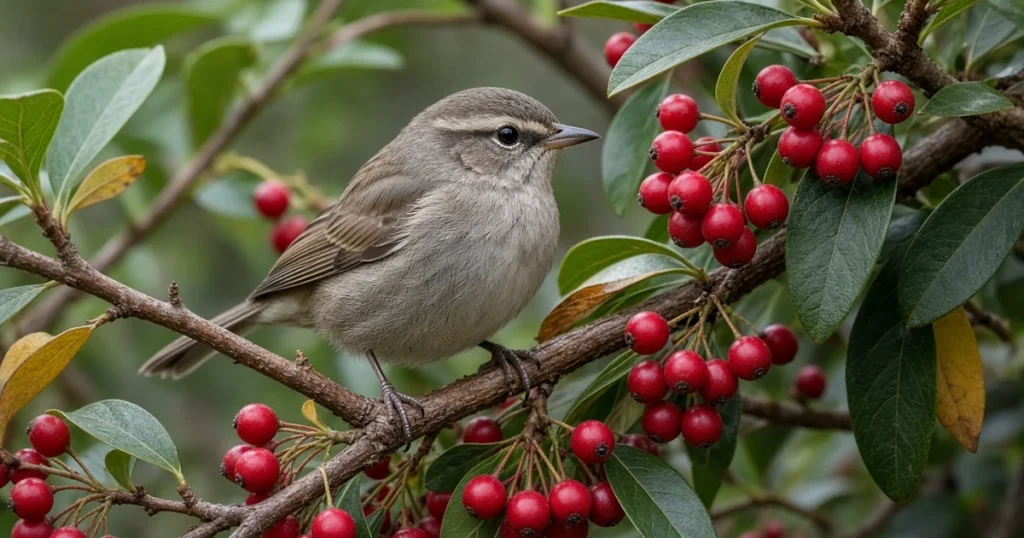
Knowing how to attract birds to your garden starts with four needs. Grow plants that offer seeds, berries plus insects, add a shallow source of clean water plus plant dense cover for shelter plus nesting. University of Illinois Extension notes even small green spaces can provide food, cover, water plus space.
The short answer
To attract birds, grow native trees, shrubs plus perennials that offer seeds, berries plus caterpillars, add a shallow birdbath no more than 2 to 3 inches deep plus plant dense shrubs plus evergreens for cover. University of Illinois Extension notes birds need food, cover, water plus space, so layer plantings densely.
What do birds need from a garden?
University of Illinois Extension lists four needs: food, cover, water plus space. UGA Extension notes multi stem plants that form a dense canopy give both cover plus nesting sites. It also cites references suggesting at least 25 percent of trees plus shrubs be evergreen for year round shelter.
| Need | Garden source | Tip |
|---|---|---|
| Food | Seeds, berries plus caterpillars | Mix plants that fruit in different seasons |
| Cover | Dense shrubs plus evergreens | Aim for about 25 percent evergreen |
| Water | Shallow birdbath or pond | No more than 2 to 3 inches deep |
| Space | Layered, dense plantings | Leave part of the yard unmanicured |
Source: University of Illinois Extension plus UGA Cooperative Extension.
Which plants feed birds through the year?
University of Illinois Extension notes a chickadee pair needs 6,000 caterpillars to raise a clutch, so host trees such as oak, willow, cherry plus birch matter. Serviceberry fruits in early summer. Holly, hawthorn plus crabapple hold fruit all winter. Coneflower, aster, sunflower plus goldenrod supply seeds if left standing until spring.
How should a birdbath be set up?
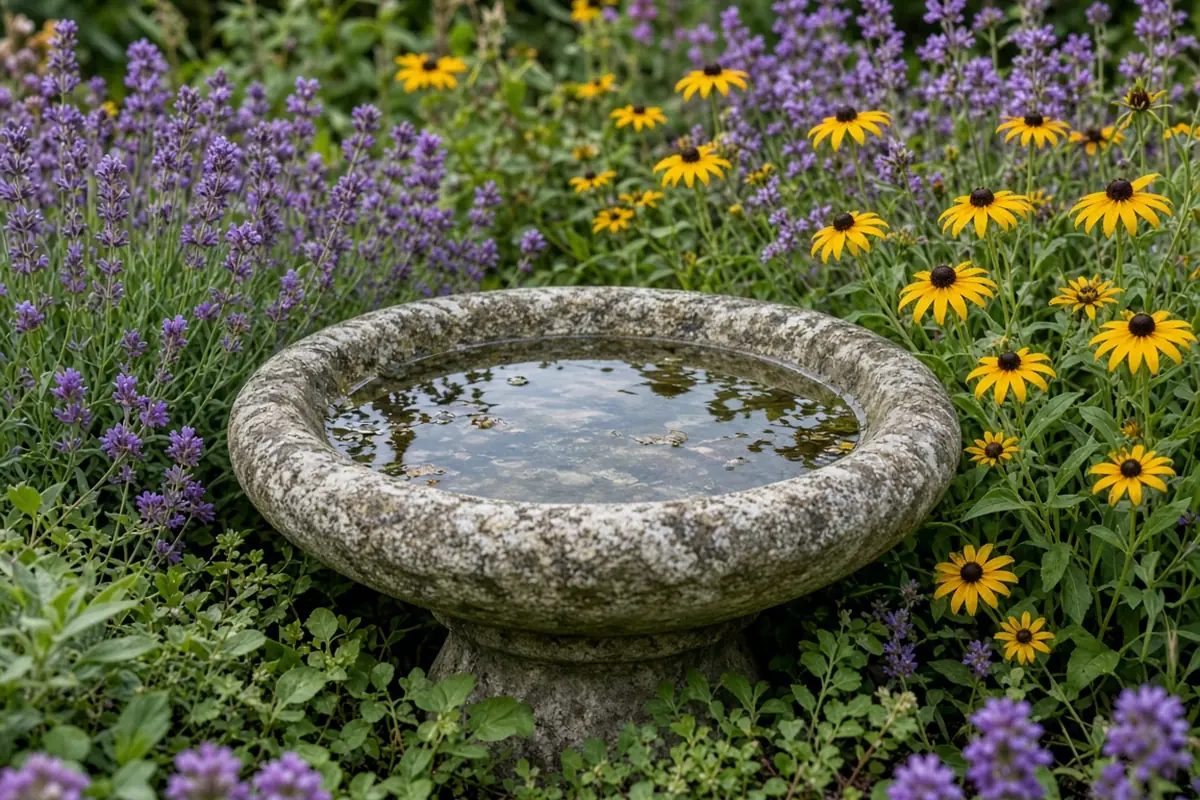
UF/IFAS notes birds need a shallow basin with a rough surface plus gently sloping sides for sure footing. Place it in an open spot with some shade near a tree but not too close to shrubs where predators hide. University of Illinois Extension advises changing the water every two to three days.
How to: step by step
- List the food, water plus cover the garden already offers.
- Plant native shrubs plus trees bearing berries, nuts or seeds.
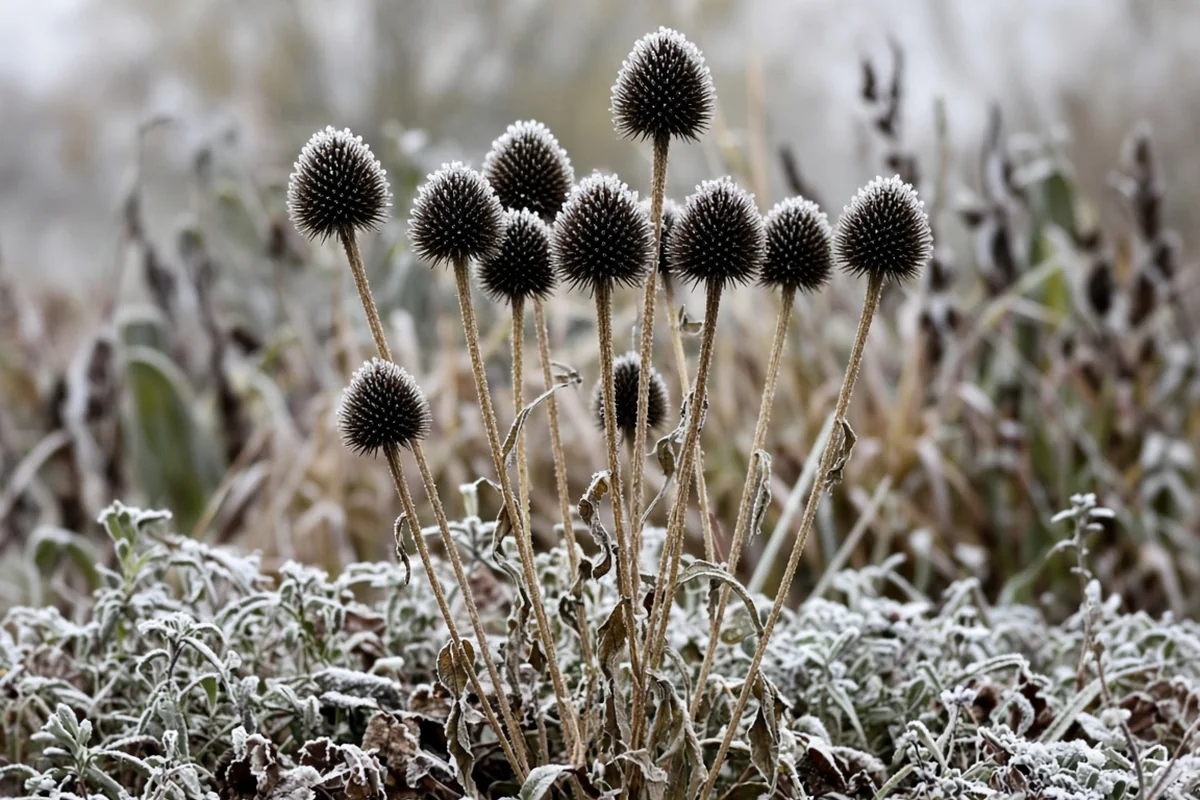
- Let seed heads stand until spring.
- Place a shallow birdbath with a rough surface.
- Change the water every two to three days plus scrub weekly.
- Grow dense shrubs plus evergreens for shelter.
Troubleshooting
Few birds visit: little cover nearby. UGA Extension notes birds prefer multi stem plants with a dense canopy, plus a mix of evergreen plus deciduous plants.
Birdbath ignored: water too deep or stale. UGA Extension suggests no more than 2 to 3 inches deep, replaced on a regular basis.
Little food in some seasons: plants fruit at the same time. UGA Extension suggests listing when each plant fruits plus filling seasons with no food supply.
For related reading see companion plants when growing marijuana, what roles do bees play in outdoor cannabis plus windbreaks for outdoor cannabis. Kind Seed Co also stocks cannabis seeds.
Sources
- Create a bird friendly yard, University of Illinois Extension
- Attracting birds to your backyard (C976), UGA Cooperative Extension
- Attracting wildlife to your garden, University of Maryland Extension
- Gardening for birds, UF/IFAS Gardening Solutions
FAQ
What plants attract the most birds?
University of Illinois Extension notes diversity is key. Native trees such as oak, willow, cherry plus birch host many caterpillars that young birds eat. Shrubs such as serviceberry, dogwood, elderberry plus viburnum offer berries. Spruce, pine plus fir supply seeds plus year round shelter, while coneflower plus sunflower give seeds.
Do birds need water in winter?
Yes. UGA Extension notes birds require water year round, so it matters to have a source available even during the winter months. The water should be shallow, no more than 2 to 3 inches deep, plus replaced on a regular basis. Running water such as a shallow fountain is ideal.
Should seed heads be left on flowers?
Yes. University of Illinois Extension notes coneflower, aster, sunflower plus goldenrod provide seeds if left in the garden until spring. These seeds supply calories birds need to prepare for winter or migration. Leaving part of the yard unmanicured also gives birds the layered, dense cover they prefer.
Where should a birdbath go?
UF/IFAS suggests an open spot that receives some shade, near a tree so birds can make a quick getaway. Do not put it too close to shrubs, since predators can hide there. UGA Extension adds that a raised basin or one in an open area cuts predation by cats.
How do I clean a birdbath?
University of Illinois Extension suggests changing the water every two to three days plus scrubbing the bath once a week. UF/IFAS advises washing with soap plus water, then rinsing well with warm water. Cement basins should get soap plus warm water only, since diseases can pass between birds at baths.



