
How to Plan a Garden for Beginners: Spot Size plus Crops
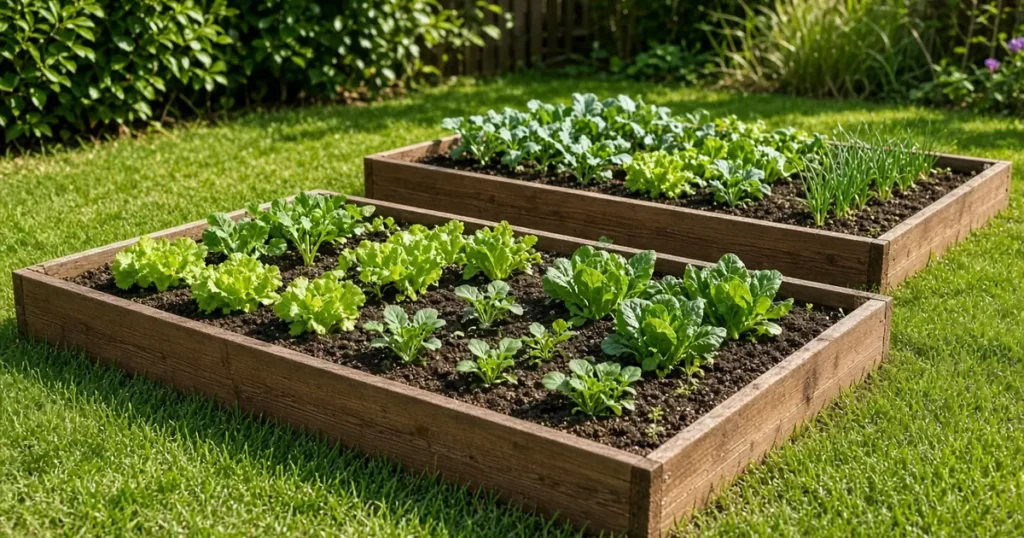
Learning how to plan a garden for beginners comes down to a few early choices. Choose a sunny spot with good drainage plus water nearby, start small, pick a few easy crops plus sketch where each will go. University of Illinois Extension notes it is always a good idea to draw a plan.
The short answer
To plan a first garden, pick a spot with at least six hours of direct sun, good drainage plus a hose nearby. University of Wisconsin Extension suggests starting small with a few easy crops such as beans, lettuce, radishes plus tomatoes. Draw a map to scale so plants are not crowded.
How much sun does a vegetable garden need?
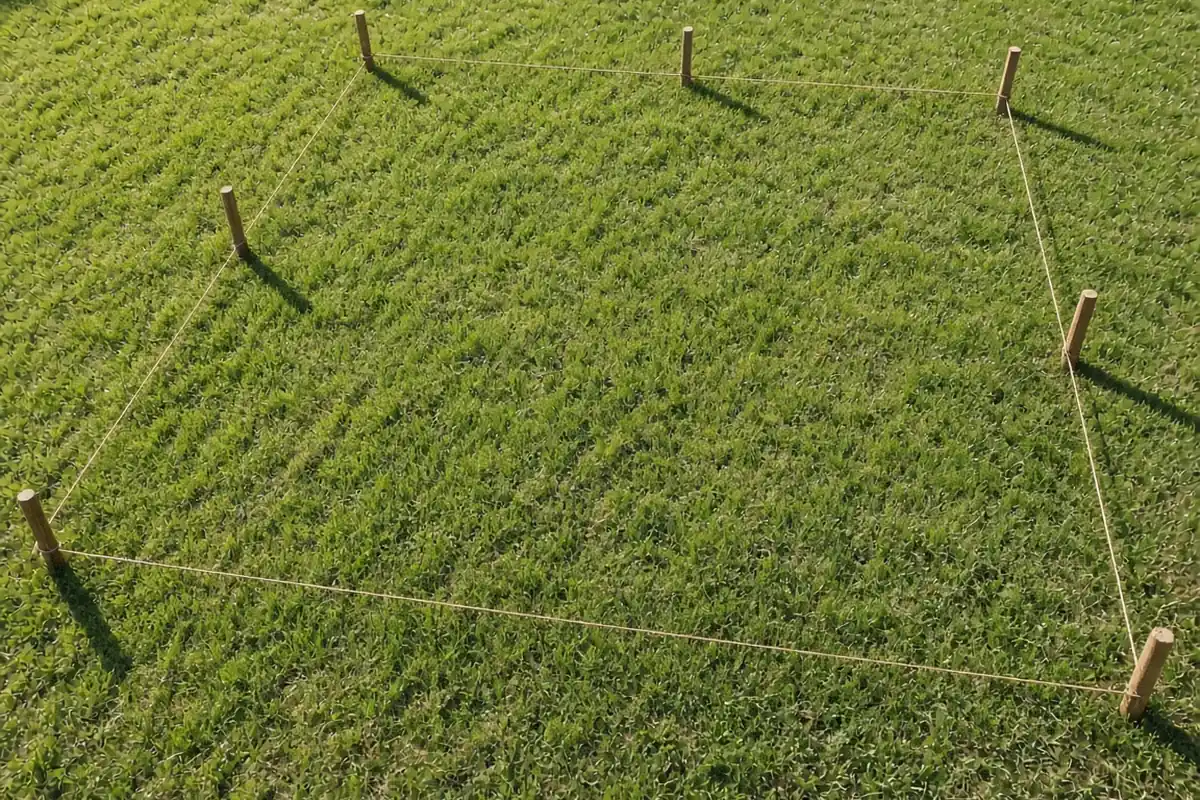
University of Wisconsin Extension notes most vegetables need full sun, meaning at least six hours of direct sunlight each day. Watch the site through the season so trees or buildings do not shade it from late morning through afternoon. University of Illinois Extension adds that beds north of buildings or trees will be shaded in cooler seasons.
| Step | Question to answer | Tip |
|---|---|---|
| Pick a spot | Does it get six hours of sun? | Watch it through the season |
| Check water | Is a hose close by? | Plan for dry spells |
| Set the size | What can you look after? | Start small |
| Choose crops | What will your household use? | Pick a few easy crops |
| Draw a plan | Will plants be crowded? | Map to scale on graph paper |
Source: University of Wisconsin Extension plus University of Illinois Extension.
How big should a first garden be?
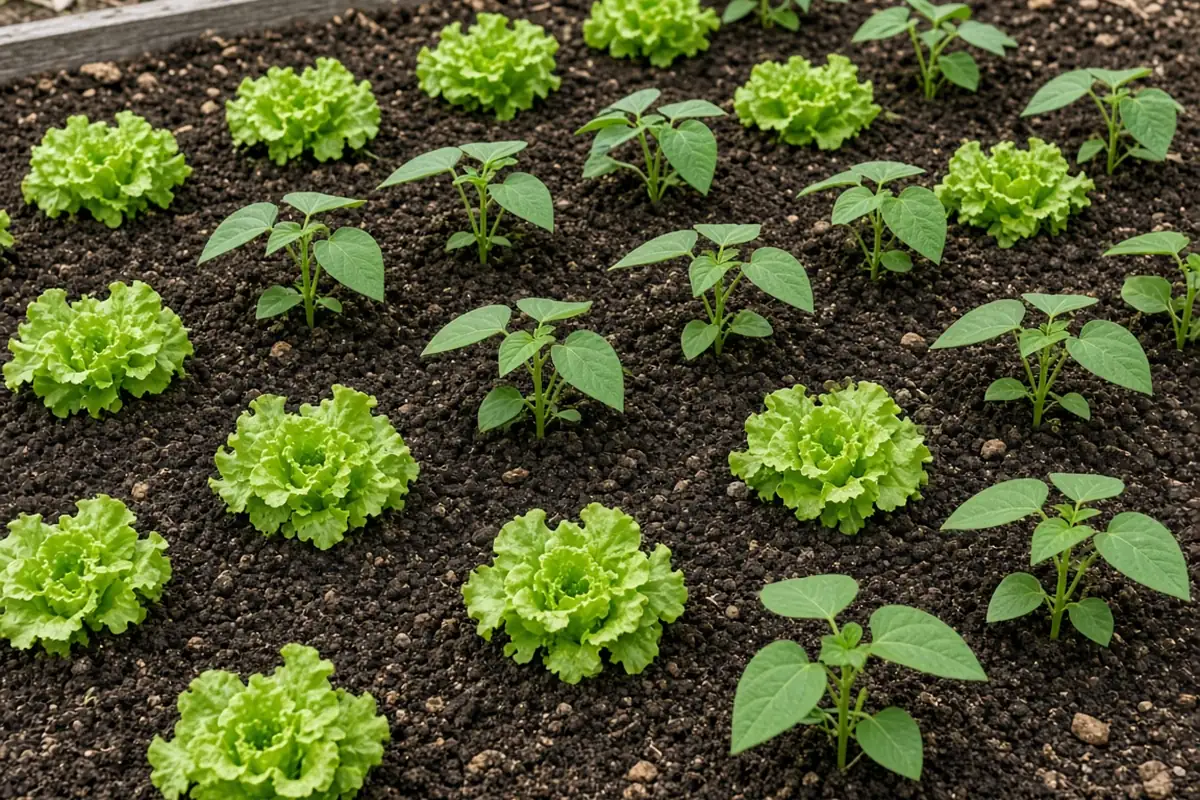
University of Wisconsin Extension advises planning size around what you want to grow plus starting small with a few easy crops. Find out how large each crop grows so plants are not crowded. Crowded plants are less productive, harder to maintain plus more prone to disease. Bush types of squash take much less space than vining types.
Which crops are easiest for beginners?
University of Wisconsin Extension lists beans, beets, herbs, lettuce, onions, potatoes, radishes, squash plus tomatoes as good options for first time gardeners. University of Minnesota Extension notes cool season crops such as lettuce plus peas go in early, while tomatoes, peppers plus squash wait until after the last frost.
How to: step by step
- Observe the yard to find the sunniest spot.
- Confirm a water source sits close by.
- Choose a small size you can manage.
- Pick a few easy crops your household uses.
- Sketch the plan to scale with spacing plus planting dates.
- Send soil to a lab before planting.
Troubleshooting
Garden feels like too much: the plot is too big. University of Wisconsin Extension suggests starting small with just a few crops that are easy to grow.
Plants struggle: too little sun. University of Wisconsin Extension notes most vegetables need at least six hours of direct sun, so move the bed.
Everything ripens at once: one planting date. University of Minnesota Extension notes leaf lettuce, radishes plus kohlrabi can be planted in spring plus again in August for a fall harvest.
For related reading see square foot gardening for cannabis, planning an outdoor cannabis garden layout plus soil checks for cannabis. Kind Seed Co also stocks cannabis seeds.
Sources
- Make a plan, home vegetable gardening, University of Illinois Extension
- Beginning vegetable garden basics: site selection plus soil preparation, University of Wisconsin Extension Horticulture
- Planting the vegetable garden, University of Minnesota Extension
FAQ
What size should a beginner garden be?
University of Wisconsin Extension suggests basing the size on what you want to grow plus starting small with just a few easy crops. Look up how large each crop gets plus leave enough room so plants are not crowded. A map drawn to scale on graph paper shows whether everything will fit.
What are the easiest vegetables to grow?
University of Wisconsin Extension names beans, beets, herbs, lettuce, onions, potatoes, radishes, squash plus tomatoes as good choices for first time gardeners. Bush squash saves space over vining types. Trellised tomatoes, cucumbers plus small squash also take less room. Space row crops such as carrots by the seed packet.
When should I start planning a garden?
University of Wisconsin Extension suggests preparing the site the year before planting when you can. University of Minnesota Extension notes some transplants start indoors very early, with onions in early February plus tomatoes in early April in Minnesota. Planning ahead lets you order seeds plus clear the site in time.
Can I grow vegetables in containers?
Yes. University of Illinois Extension notes a sunny balcony or patio can hold vegetables in containers. Every container must have drainage, since containers with none cause root rot. Use a soilless mix, which drains well plus is light. Container soil dries quickly, so frequent watering is needed.
Does bed direction matter?
University of Illinois Extension notes the old rule that beds should run north to south matters little, so long as crops to the south do not shade plants to their north. Place tall crops such as sweet corn or trellised tomatoes where they will not cast shade over shorter crops.



