
How to Design a Backyard Garden With Zones Paths plus Focus
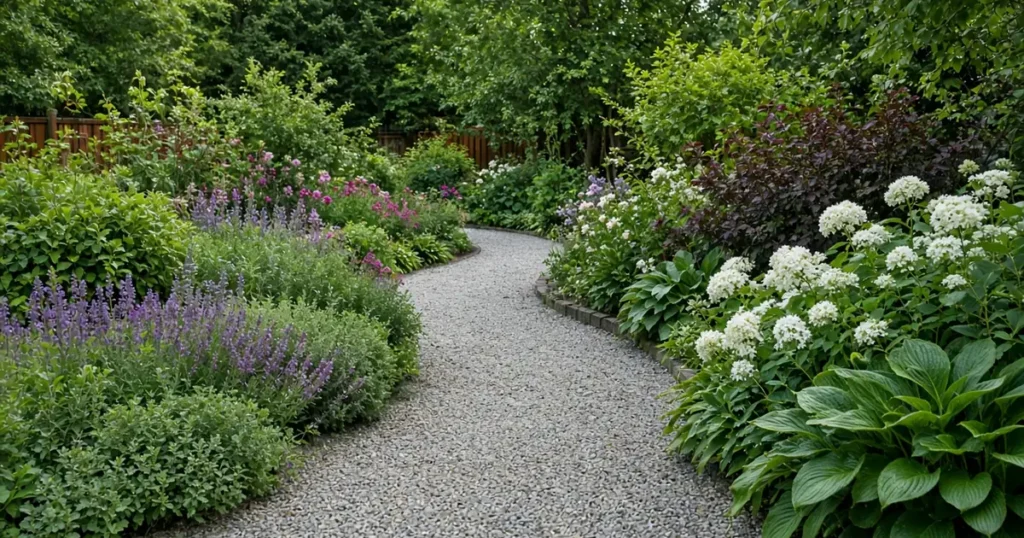
Learning how to design a backyard garden starts with studying the yard. Map sun, shade, slopes plus views, list how you want to use the space, group those uses into zones, connect them with paths plus add a few focal points. NC State Extension notes the site needs study for more than one season.
The short answer
To design a backyard garden, survey sun, wind, soil plus drainage, then list the activities you want. NC State Extension suggests dividing the site into public, private plus service areas, linking them with paths scaled to their use plus adding focal points. You can build the plan in stages over several years.
What is a site analysis?
NC State Extension describes a site survey of sun plus wind exposure, sight lines, sound, soil, water flow, drainage plus existing plants, studied over more than one season. Observe the yard through the day to find full sun, meaning more than six hours, partial sun plus shade. A vegetable bed in partial sun yields little fruit.
| Zone | Use | Notes |
|---|---|---|
| Public | Front yard, drive plus entrance | Front walk at least 4.5 feet wide |
| Private | Patio, play plus vegetable beds | Easy access to indoor living areas |
| Service | Storage, compost plus utility | Often in a back or side yard |
Source: NC State Extension Gardener Handbook.
How are garden zones planned?
NC State Extension suggests first listing what activities will happen in the space. Then divide the site into public, private plus service areas. The private area holds decks, play spaces plus raised beds for vegetables. The service area stores tools, bins plus compost. Bubble diagrams help locate each use before you draw the layout.
How do paths plus focal points shape a yard?
NC State Extension scales paths to their use. A main path should fit two people, about 4.5 to 5 feet wide. Connecting paths run 2.5 to 3 feet, plus minor paths 1 to 2.5 feet. Focal points such as a sculpture, specimen tree or boulder direct the eye plus draw people along a path.
How to: step by step
- Sketch a base plan of the yard to scale.
- Track sun, shade, wind, soil plus drainage across more than one season.
- List the activities the space should hold.
- Group activities into public, private plus service areas.
- Join areas with paths sized to their use.
- Add one or two focal points plus work in stages.
Troubleshooting
Yard feels disjointed: areas are not connected. NC State Extension suggests a clear hierarchy of paths that scale down as they branch from the main path.
Plants struggle: wrong spot for their needs. University of Illinois Extension advises right plant, right place, matching species to sun, moisture plus soil.
Project feels too big: doing it all at once. NC State Extension notes there is no need to develop an entire property at once.
For related reading see garden microclimates for cannabis, planning an outdoor cannabis garden layout plus raised beds for cannabis. Kind Seed Co also stocks cannabis seeds.
Sources
- Extension Gardener Handbook chapter 19, NC State Extension
- Planning a new perennial garden? Plant for the whole garden ecosystem, University of Illinois Extension
- Home landscape design, Mississippi State University Extension
FAQ
What is the first step in garden design?
NC State Extension starts with a base plan of the property, followed by a site survey. Note sun plus wind exposure, sight lines, soil, drainage plus existing plants on a tracing paper overlay. Study the site for more than one season, since sun angles shift through the year plus change which areas get shade.
How wide should garden paths be?
NC State Extension suggests a main path wide enough for two people side by side, about 4.5 to 5 feet. Paths that connect to the main path can be 2.5 to 3 feet wide. Minor paths can run 1 to 2.5 feet. Scaling paths down as they branch guides people through the space.
What makes a good focal point?
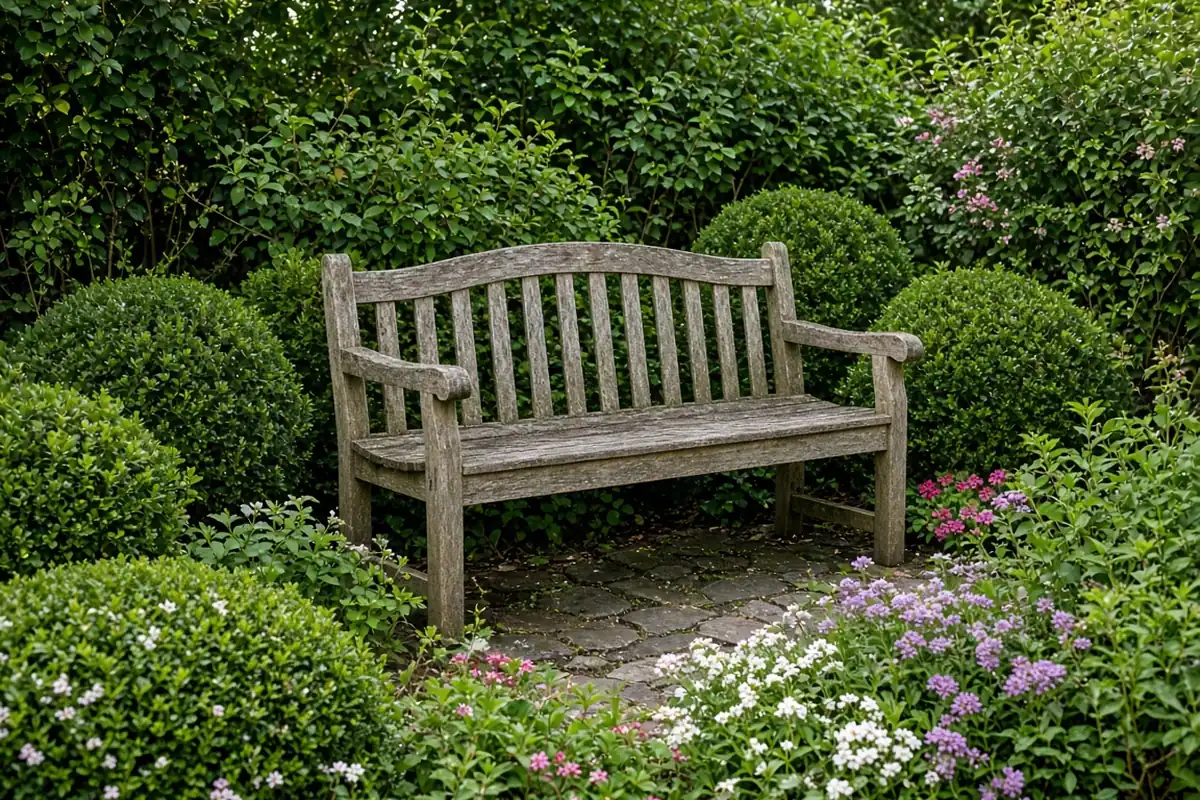
NC State Extension describes focal points as carefully placed objects that direct a person's line of sight plus entice movement. Placed along a path, a focal point foreshadows what comes next. Mississippi State University Extension adds that a focal point can be a specimen tree, a bench or a fountain.
Can I design a garden in stages?
Yes. NC State Extension notes there is no need to develop an entire property at once. Spreading the work over several years can be more affordable plus may improve the design, since you can watch plants mature. Set priorities, such as front yard before backyard or hardscape before large plants.
How should plants be layered in a bed?
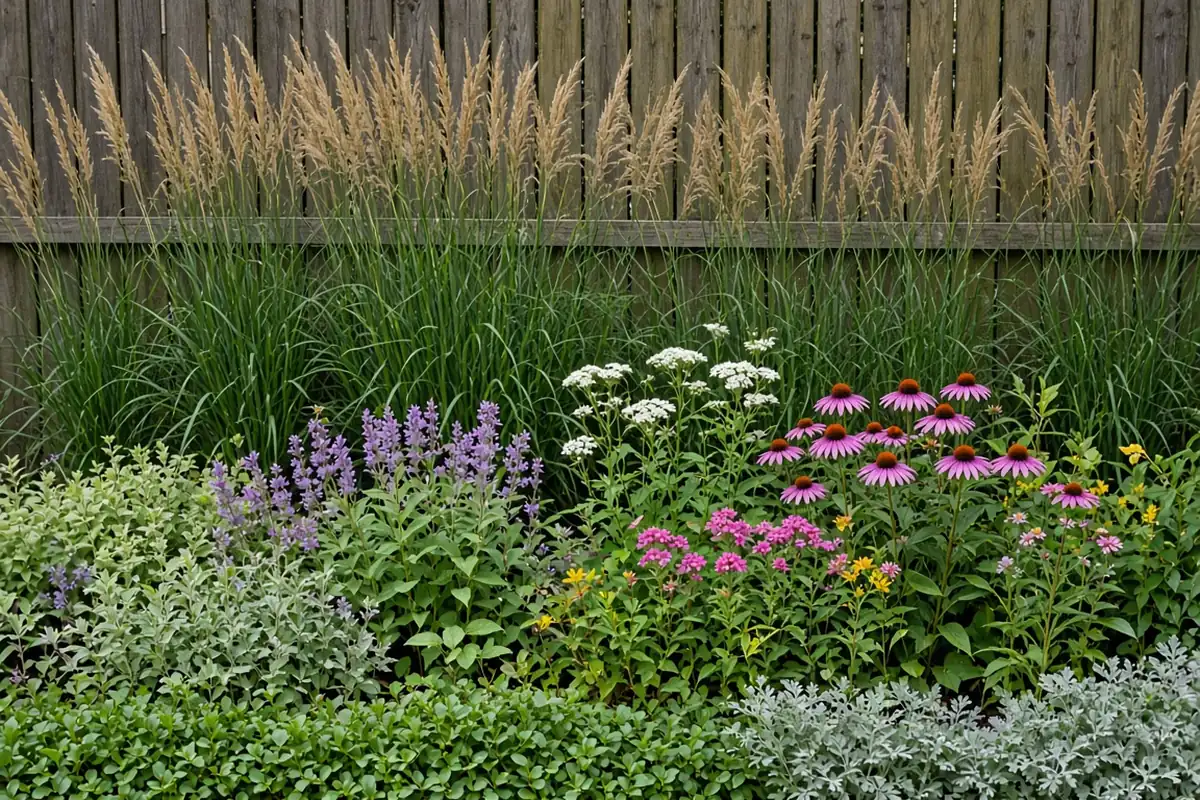
University of Illinois Extension describes three layers. A ground cover layer of low, dense grasses, sedges plus ferns shades out weeds. A structural layer of trees, larger shrubs plus tall grasses forms the year round bones. A seasonal layer of showy bloomers gives color at different times of year.



