
How to Make a Garden Path Cheap: Low Cost Materials
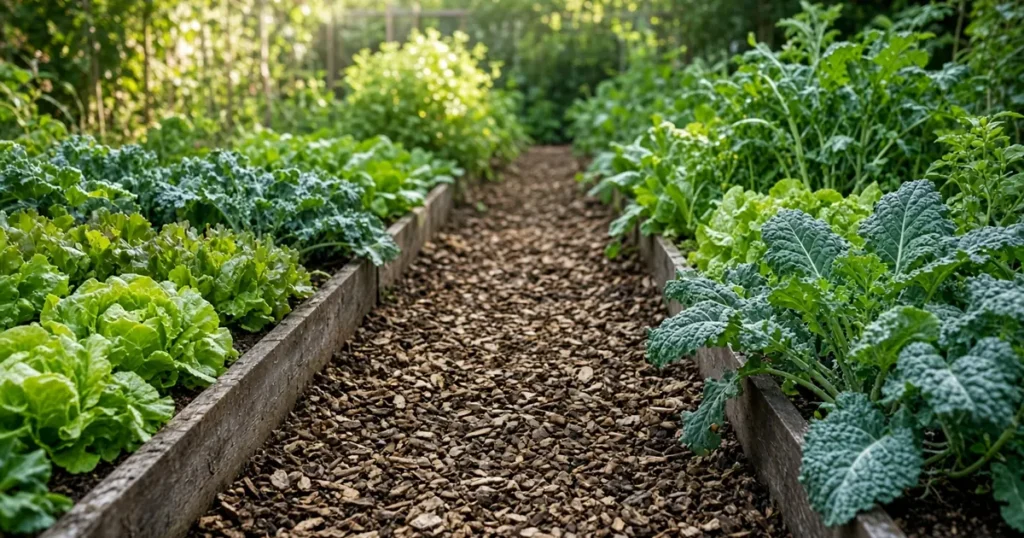
How to make a garden path cheap: start with a low cost surface such as arborist wood chips, mulch, native stone or gravel. Kansas State University Research and Extension rates mulch, gravel plus native stone as inexpensive path materials. Mark the route, clear the ground plus spread a deep layer of your chosen material.
The short answer
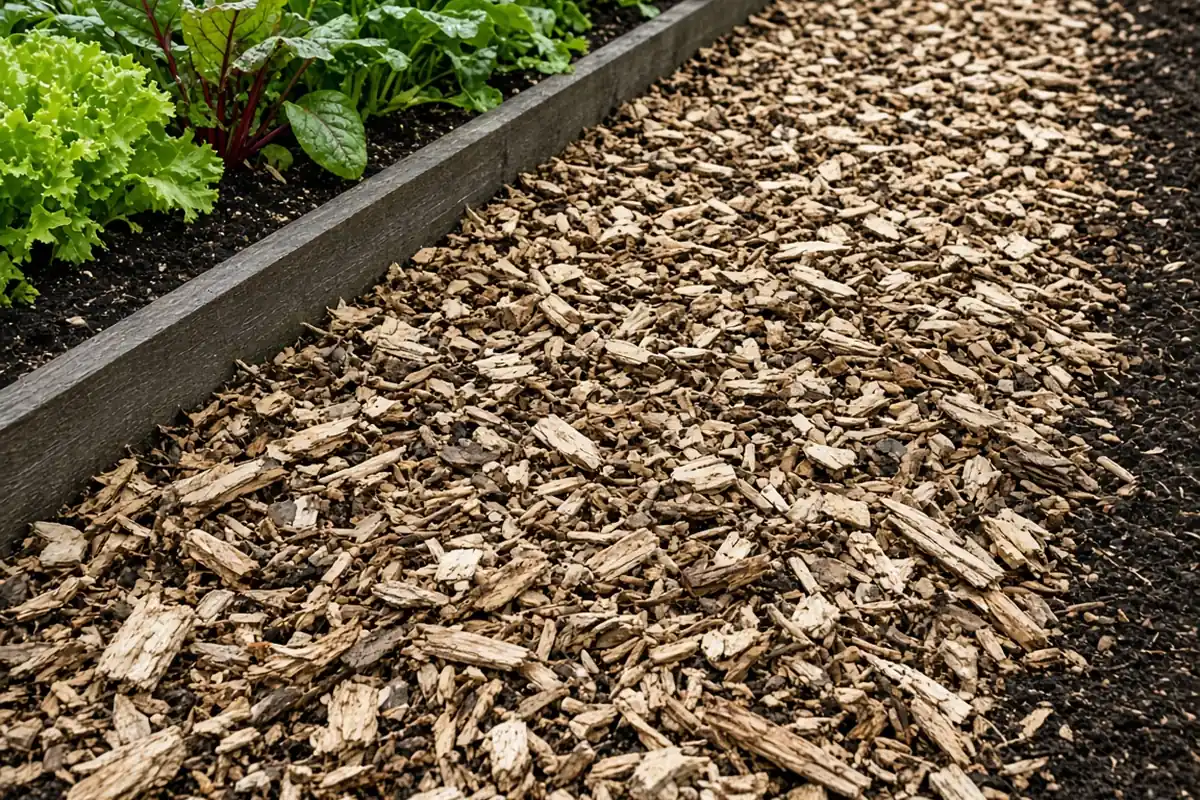
Use arborist wood chips for the lowest cost soft path or gravel where you need a firmer surface. Kansas State University Research and Extension lists mulch, gravel, grass plus native stone among inexpensive materials. Spread chips in a deep layer plus top them up as they break down.
Which path materials cost the least?
Kansas State University Research and Extension groups native stone, mulch, gravel, grass plus molded concrete as inexpensive path materials, with bricks plus pavers in the moderate group and flagstone or poured concrete as expensive.
| Material | Cost level | Notes |
|---|---|---|
| Mulch or wood chips | Inexpensive | Needs edging plus regular top ups (Kansas State University Research and Extension) |
| Gravel | Inexpensive | Permeable but noisy underfoot (Kansas State University Research and Extension) |
| Native stone | Inexpensive | Looks natural but surface is uneven (Kansas State University Research and Extension) |
| Bricks plus pavers | Moderate to expensive | Durable but lots of prep work (Kansas State University Research and Extension) |
| Flagstone | Expensive | Durable with an even surface (Kansas State University Research and Extension) |
Source: Kansas State University Research and Extension.
How long do wood chip paths last?
Chips break down over time. Kansas State University Research and Extension notes mulch paths can wash away plus have to be replaced often. Plan to add fresh chips as the layer thins.
When is gravel worth the extra effort?
Gravel suits wet spots plus busy routes. UC ANR Master Gardeners note gravel is generally less costly than concrete or pavers, lets water soak through plus can be laid without professional help. Angular gravel packs into a nearly solid surface for foot traffic, while 2 inches is a practical minimum depth.
How to: step by step
- Trace the route with a garden hose or rope.
- Pace the route plus set the width.
- Clear sod plus weeds from the path.
- Even out the grade where needed.
- Spread a deep layer of chips or lay gravel.
- Add edging plus top up the path each year.
Troubleshooting
Weeds grow through chips: thin layer. Add chips to thicken it.
Path turns muddy: soft material in a wet spot. Switch to gravel there.
Chips wash into beds: no edging. Edge with log or stone.
For related reading see planning an outdoor cannabis garden layout, mulch for cannabis plus weed control in outdoor cannabis. Kind Seed Co also stocks cannabis seeds.
Sources
- The myth of pathogenic wood chips, Washington State University Puyallup
- Down the garden path, K State Research and Extension, Johnson County
- Gravel pathways in the garden, UC ANR Master Gardeners
FAQ
Are free arborist wood chips fine for garden paths?
Yes. Washington State University Extension notes there is little published evidence that green wood chips spread disease to plant roots. It notes fungi in decomposing chips are generally decomposers. Use chips as a top layer only plus never mix them into soil. Kansas State University Research and Extension rates mulch as an inexpensive path material.
Should a wood chip path touch tree trunks?
No. Washington State University Extension advises that wood chip mulch stay away from the trunks of trees plus shrubs. It notes moist trunk conditions raise the risk of infection. Route the path so the chips stop short of any trunk. Leave a clear gap around the base of each tree or shrub along the way.
Should fabric go under a gravel path?
It is a choice. UC ANR Master Gardeners note fabric under gravel is debated among installers. Fabric suppresses weeds from below plus stops gravel from mixing with the soil while it stays intact. It does not stop seeds on top of the gravel from sprouting. If you use it, they advise the heaviest weight available.
Do stepping stones need a base?
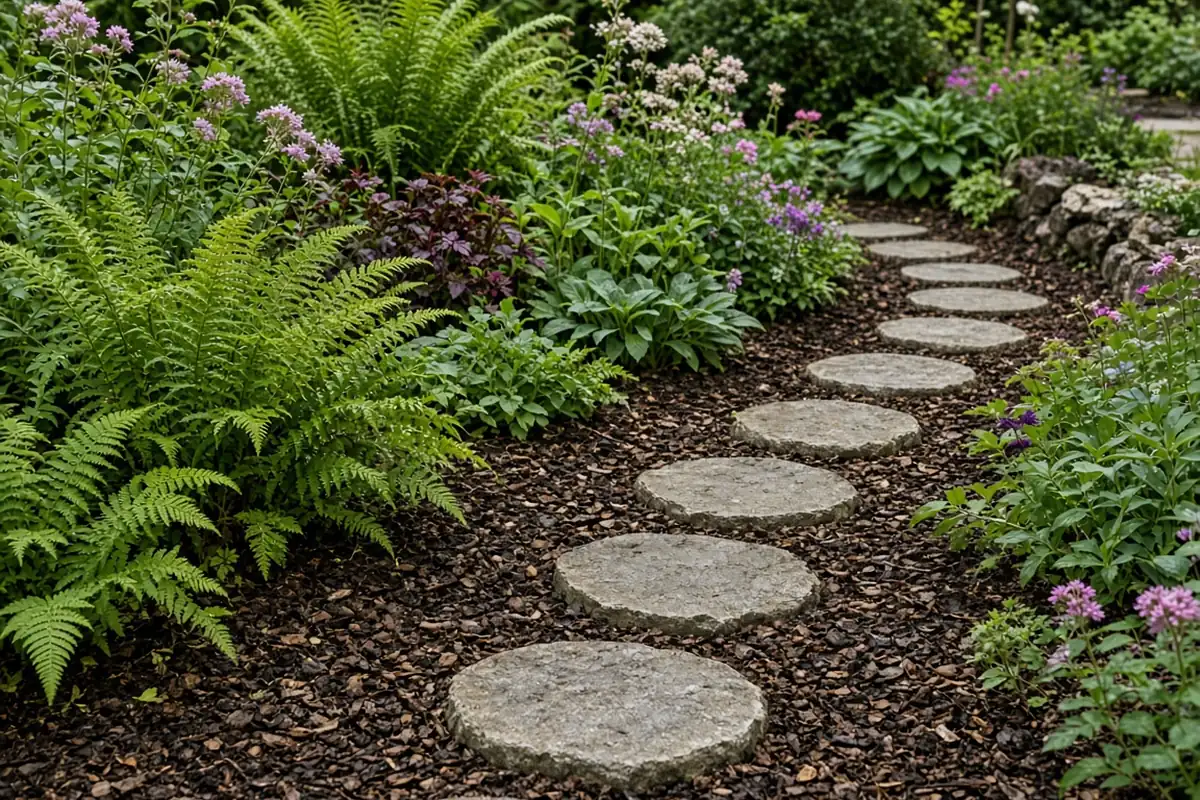
They need a level, cleared bed. Kansas State University Research and Extension advises clearing the ground, leveling the grade plus spacing stepping stones or pavers before the path goes in. UC ANR Master Gardeners note gravel around pavers should be about 4 inches deep, compared with a 2 inch minimum for gravel alone.
How wide should a cheap garden path be?
Kansas State University Research and Extension notes a path for one person should be at least 3 feet wide. A path for two adults side by side or a large cart should be 5 to 6 feet wide. A service path to a compost bin can be 2 to 3 feet wide.



