
How Often to Water a Vegetable Garden: Inches per Week
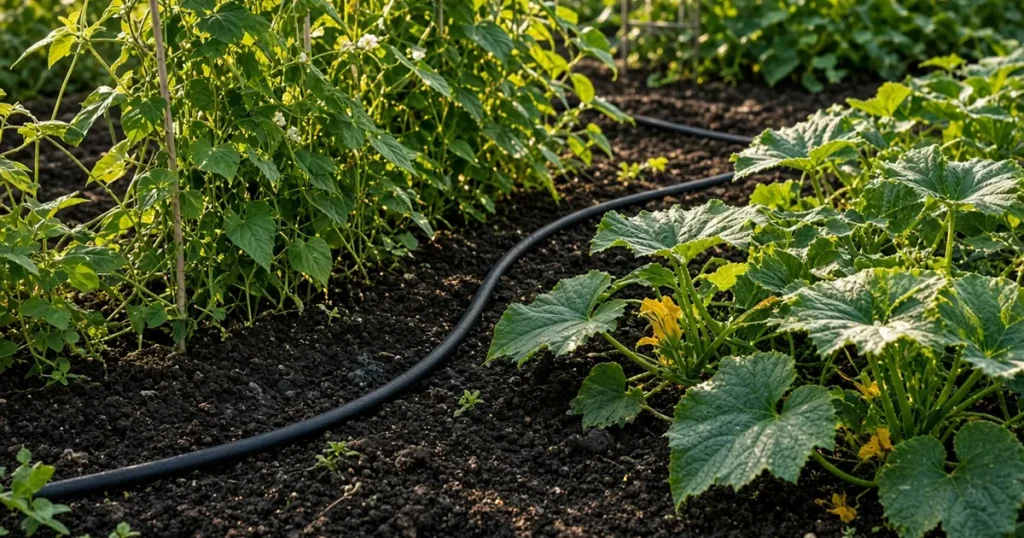
How often to water a vegetable garden depends on soil plus weather, but most need about 1 inch a week from rain plus irrigation. Iowa State University Extension notes sandy soils need more frequent watering than clay soils. University of Minnesota Extension advises watering twice a week on sandy soil plus once a week on soils that hold moisture.
The short answer
Give a vegetable garden about 1 inch of water each week, counting rain. University of Minnesota Extension advises watering twice a week on sandy soil plus once a week on clay or loamy soil. Check soil before watering. If the soil is dry two inches below the surface, it is time to water.
How much water does a vegetable garden need each week?
Iowa State University Extension notes most vegetable gardens need about 1 inch of water per week from rain plus irrigation. Clemson Cooperative Extension notes that inch wets the root zone to 6 to 8 inches. Colorado State University Extension notes vegetables use around a quarter inch per day in typical summer weather.
| Condition | Watering need | Source |
|---|---|---|
| Typical week | About 1 inch from rain plus irrigation | Iowa State University Extension |
| Sandy soil | Water about twice a week | University of Minnesota Extension |
| Clay or loamy soil | Water about once a week | University of Minnesota Extension |
| Summer use | About a quarter inch per day | Colorado State University Extension |
| Every four days | Apply about 1 inch per watering | Colorado State University Extension |
Source: Iowa State University Extension, University of Minnesota Extension plus Colorado State University Extension.
How does soil type change watering?
Sandy soils hold less water. Iowa State University Extension notes sandy soils need more frequent watering than heavier clay soils. University of Minnesota Extension advises watering twice a week on sandy, well drained soil plus once a week on clay or loamy soils rich in organic matter. Mulched soil holds water longer.
How do you check soil moisture by feel?
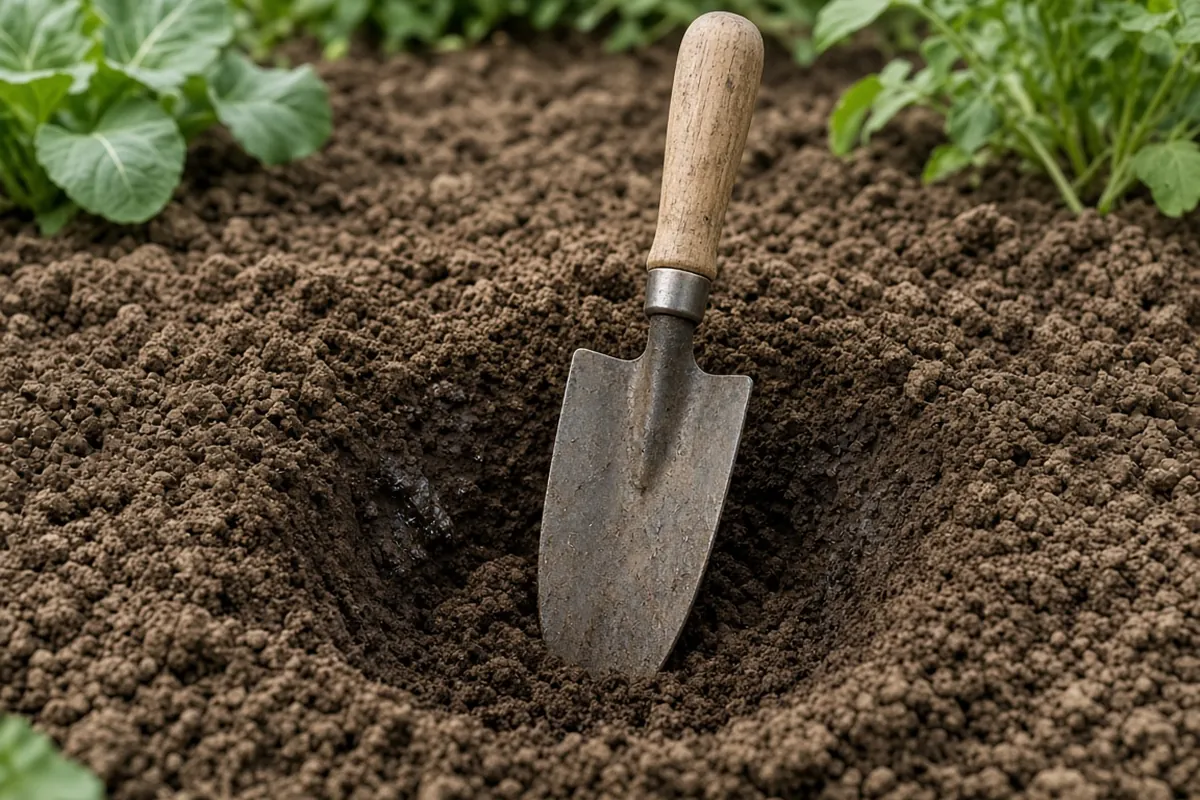
University of Minnesota Extension advises pulling back mulch plus digging in with a trowel. The top inch may be dry, but soil below should feel somewhat moist. If it is dry two inches down, water. Clemson Cooperative Extension advises digging 2 to 4 inches deep plus feeling the soil.
How to: step by step
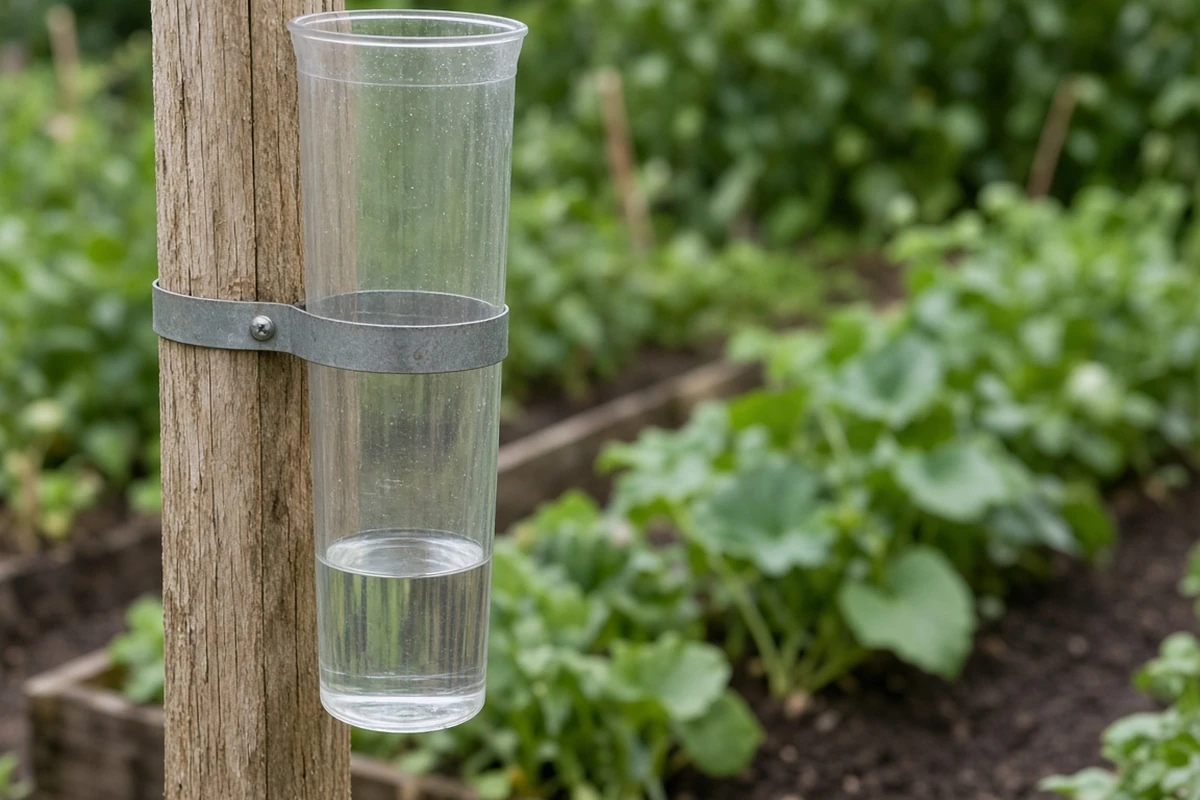
- Place a rain gauge in the garden.
- Note rainfall weekly.
- Dig a trowel 2 to 4 inches into the soil.
- Water deeply when the soil is dry at that depth.
- Water at the base of plants early in the day.
- Mulch to cut evaporation between waterings.
Troubleshooting
Plants wilt in afternoon heat: heat stress. Check soil plus water as soon as possible if it is dry.
Soil soggy plus plants yellow: overwatering. Space out waterings.
Shallow roots plus wilting: light, frequent watering. Soak deeply plus water less often.
For related reading see when to water outdoor cannabis, checking soil moisture by feel plus rain gauges for cannabis gardens. Kind Seed Co also stocks cannabis seeds.
Sources
- Watering the home vegetable garden, Iowa State University Extension and Outreach
- Watering the vegetable garden, University of Minnesota Extension
- Watering the vegetable garden, Clemson Cooperative Extension HGIC
- Irrigating the vegetable garden, Colorado State University Extension
FAQ
Is it better to water in the morning or evening?
Morning is better. Iowa State University Extension notes watering in the morning or early afternoon lets foliage dry quickly plus leaves plants well supplied through the heat of the day. University of Minnesota Extension notes early watering is better practice, but wilting plants should be watered right away, even in the evening.
Does sandy soil need more water?
Yes, more often. Iowa State University Extension notes sandy soils need more frequent watering than heavier clay soils because they hold less water. University of Minnesota Extension notes you may need to water twice a week on sandy, well drained soil. Adding compost raises how much water a soil can hold.
How long should a sprinkler run?
Measure it. Iowa State University Extension advises setting straight sided cans such as tuna cans in the spray area plus stopping when they hold 1 inch. Colorado State University Extension notes pop up spray heads take about 40 minutes to apply 1 inch, while rotor heads take about 120 minutes.
Do vegetables need more water when fruiting?
Yes. Iowa State University Extension lists flowering, fruit set plus fruit development as the most critical water need periods for tomatoes, peppers, beans plus squash. Clemson Cooperative Extension notes eggplant, pepper plus tomato need steady water from flowering until harvest. Drought stress at these stages can cause blossom end rot.
Is drip irrigation worth it for vegetables?
It is efficient. Iowa State University Extension notes drip irrigation delivers water straight to the root zone, often using 30 to 50 percent less water than other methods, plus it leaves foliage dry. With drip or soaker hoses, it advises watering until the soil is wet 10 to 12 inches deep.



