
How to Plant a Fruit Tree: Hole Graft Union plus Stakes
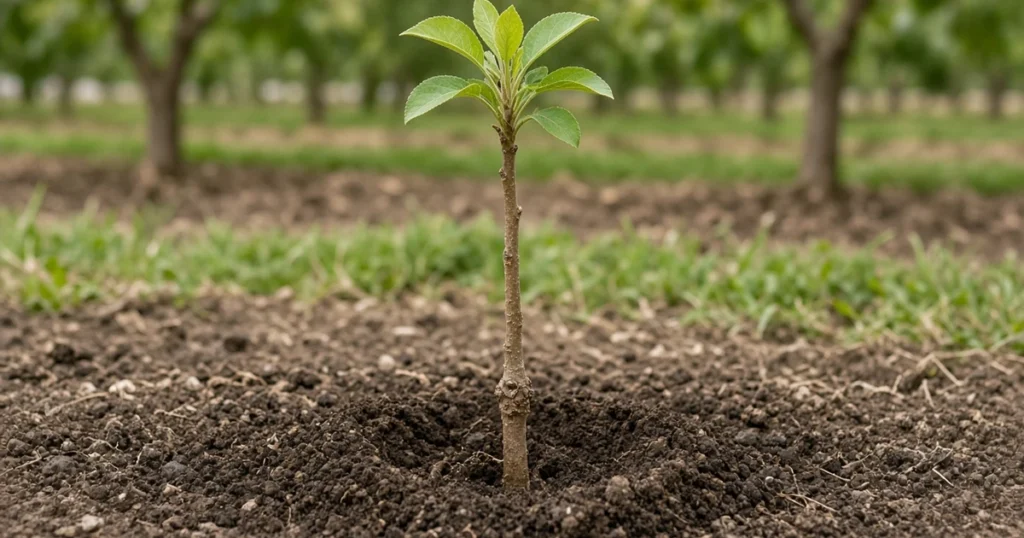
Learning how to plant a fruit tree comes down to timing, depth plus a wide hole. University of Illinois Extension suggests spring planting just after the soil thaws, setting dwarf apple graft unions about 3 inches above ground plus watering before the last of the soil goes in.
The short answer
To plant a fruit tree, dig a hole wide enough for the roots in their natural position, set the tree at the right depth, firm the soil to remove air pockets plus water well. University of Illinois Extension suggests spring planting. Colorado State University Extension advises a saucer shaped hole three times the root ball width.
How wide plus deep should the hole be?
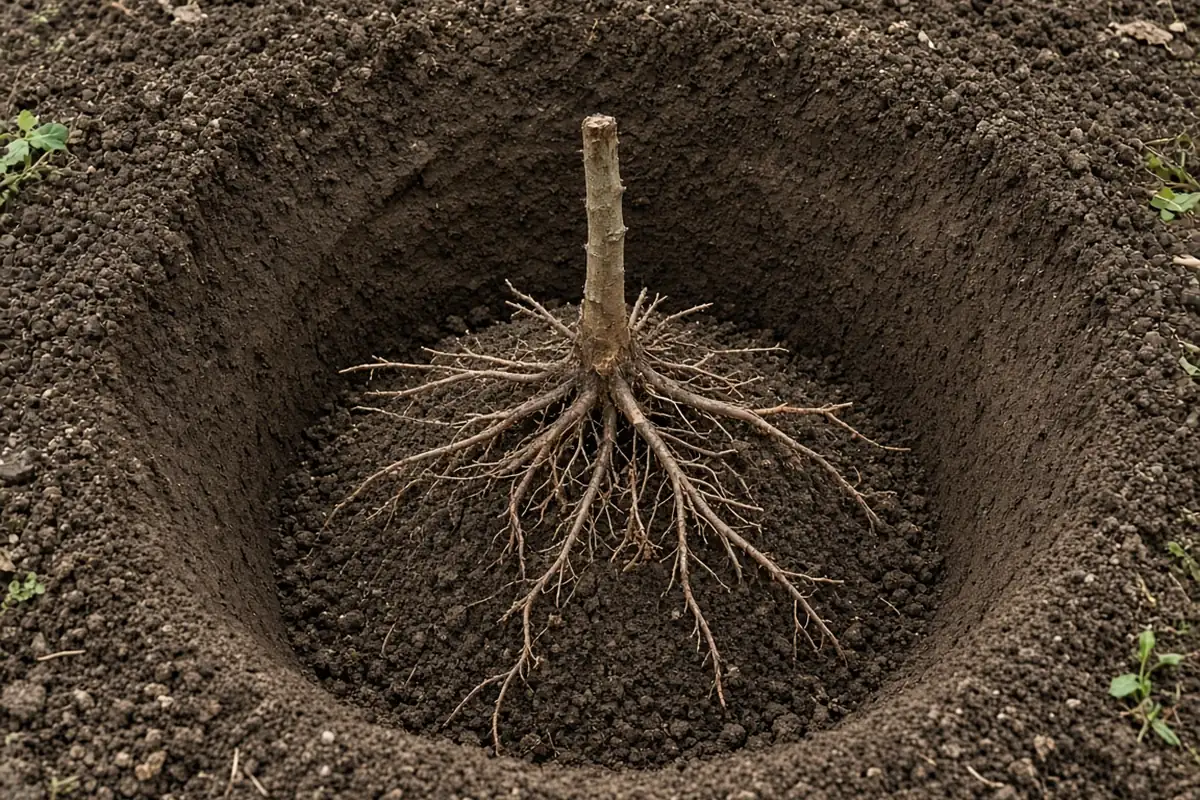
Colorado State University Extension advises a saucer shaped hole three times the root ball diameter, with the root ball resting on undug soil so it does not sink. UMass Amherst Extension adds that the hole should be no deeper than the root ball, measured from the trunk flare down.
| Tree size | Root ball top above grade | Hole depth x width |
|---|---|---|
| 1 inch caliper | 1 inch | 11 x 60 inches for a 12 inch ball |
| 2 inch caliper | 2 inches | 16 x 72 inches for an 18 inch ball |
Source: Colorado State University Extension, Table 1.
Where should the graft union sit?
University of Illinois Extension notes fruit trees, except those on dwarfing rootstocks, should sit about 2 inches deeper than they grew in the nursery row. Apple trees on dwarfing rootstocks should be planted with the graft union about 3 inches above the ground. Colorado State University Extension cautions not to mistake the swollen graft union for the root flare.
Does a fruit tree need staking?
UMass Amherst Extension notes staking may not be necessary for all trees. Rigidly staked trees may develop a smaller root system plus less trunk taper. If the root ball is stable it may not need stakes. If staking is required, attach stakes low on the trunk, allow some sway plus remove them after one growing season.
How to: step by step
- Plant in spring just after the soil thaws, before growth starts.
- Soak bare roots in water for 2 days at most.
- Dig a wide hole that fits the roots in their natural position.
- Prune broken or damaged roots plus spread the rest out.
- Place the tree at the right depth for its rootstock.
- Firm the soil to remove air pockets, water, then add the rest of the soil.
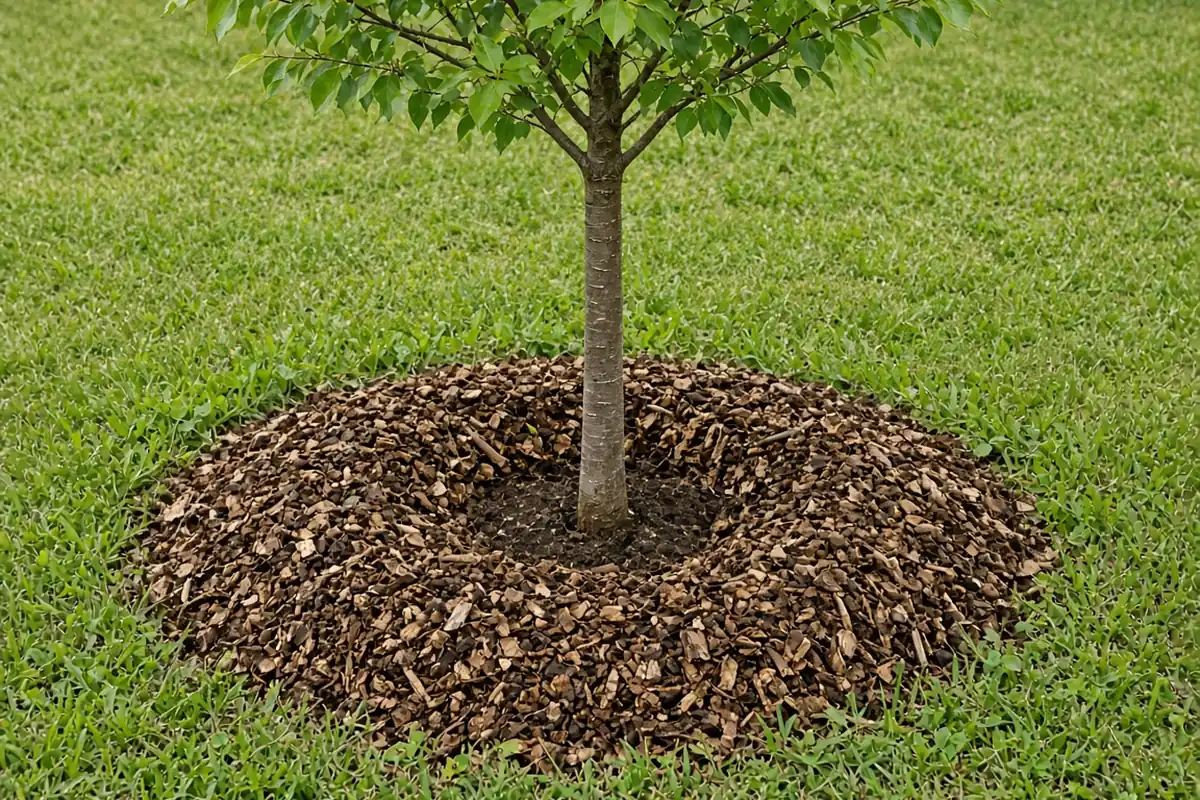
- Mulch 2 to 3 inches deep, away from the trunk.
Troubleshooting
Tree sinks after planting: hole dug too deep. Colorado State University Extension advises setting the root ball on undug soil.
Tree declines years later: planting too deep. Colorado State University Extension notes trunk girdling roots can cause decline 12 to 20 years after planting.
Bare roots dried out: delayed planting. University of Illinois Extension advises heeling trees into a shaded trench if planting waits more than 2 days.
For related reading see growing cannabis near trees, mulch for cannabis plus plant hardiness zones and cannabis. Kind Seed Co also stocks cannabis seeds.
Sources
- Planting, fruit trees for home gardens, University of Illinois Extension
- Tree planting steps, Colorado State University Extension
- Guidelines for planting trees plus shrubs, UMass Amherst Extension
- Selection of fruits, fruit trees for home gardens, University of Illinois Extension
FAQ
When is the right time to plant a fruit tree?
University of Illinois Extension notes spring planting is preferred in all Illinois areas, though late fall planting suits southern Illinois. The ideal time is just after the soil thaws plus before growth starts. That means March for southern Illinois plus April for northern Illinois, so adjust the timing for your own climate.
Should I add compost to the planting hole?
Use little. UMass Amherst Extension notes backfilling with soil dug from the hole is often preferable to mixing in large amounts of peat moss or compost. Colorado State University Extension adds that backfill amended to about five percent organic matter by volume is acceptable, while far higher amounts may hinder root growth.
How far apart should fruit trees be planted?
University of Illinois Extension notes soil, climate, care, variety plus rootstock all shape spacing. Apple trees on M 9 or Bud 9 rootstock suit 8 x 14 to 10 x 16 feet. Standard seedling apples need 20 x 30 to 25 x 35 feet. Closer spacing calls for more careful pruning to hold trees in place.
Should I fertilize at planting?
University of Illinois Extension suggests applying one eighth of a pound of mixed fertilizer to each newly planted tree. Spread it in a circular band 1 to 2 feet from the trunk rather than against it. Water the tree after planting so the soil settles around the roots plus air pockets close.
Should I prune a fruit tree at planting?
Yes. University of Illinois Extension notes pruning the top at planting time is necessary to start the training process. Medium sized nursery trees are most satisfactory for apple, pear, cherry plus plum, because large trees need more severe pruning at planting plus recover more slowly from transplanting.



