
How to Plant a Native Plant Garden: Site Fit plus Less Lawn
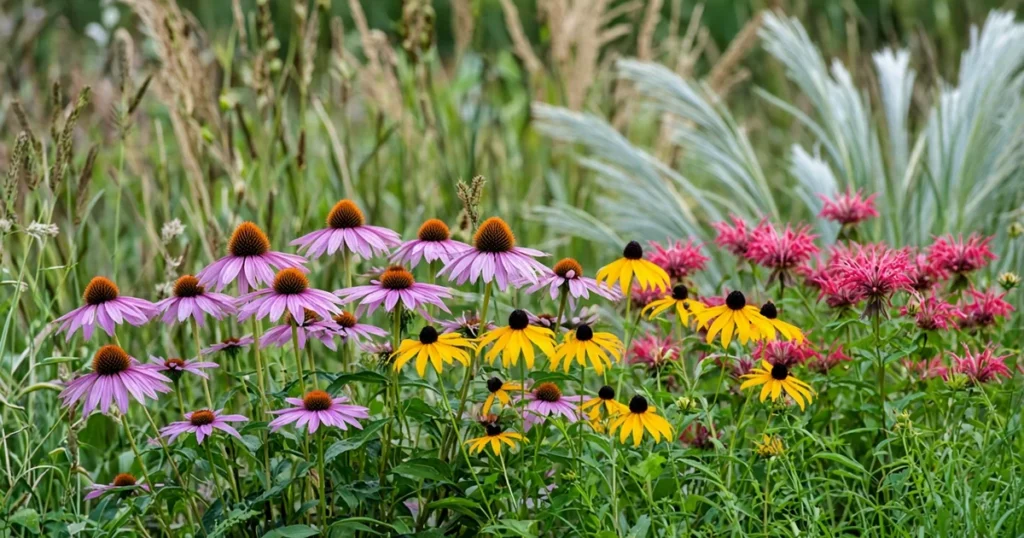
Learning how to plant a native plant garden starts with plants from your own region. University of Maryland Extension notes native plants occur naturally in their ecoregion plus habitat. NC State Extension notes native plants provide well adapted food plus cover for wildlife. Replace lawn one section at a time.
The short answer
Learn which plants are native to your ecoregion. Map sun, shade plus soil moisture. Choose natives that suit each spot. Smother a section of lawn with cardboard plus compost. Plant, then water while plants establish. Add a neat edge plus expand over a few years.
What counts as a native plant?
University of Maryland Extension notes a plant is native only in relation to a place. Native plants occur naturally in their ecoregion plus habitat. Over evolutionary time they adapted to local conditions plus co evolved with other species. State lines do not define them.
Origin matters within a species too. Red maple is native from Florida to Canada. Yet red maples that evolved in Florida cannot survive a Maryland winter. The US Forest Service recommends sourcing native plants within the same EPA Level III ecoregion.
How do you match natives to a site?
Start with growing conditions. University of Maryland Extension advises considering moisture, soil texture, pH plus deer. In shade, ask what kind of shade you have. Full shade on the north side of a building calls for plants that tolerate deep shade.
Look at wild areas nearby. Many plants in moist valleys need more water. If you plant them in dry shade, you may need to irrigate. Plants from hilltops suit dry shade with less upkeep.
| Site | Plant type | Example |
|---|---|---|
| Dry, full sun to part shade | Perennial | Butterfly weed |
| Moist, full sun | Perennial | Orange coneflower |
| Moist, part shade to shade | Perennial | Beebalm |
| Wet to moist, sun to shade | Shrub | Winterberry |
| Moist to dry, sun to part shade | Small tree | Eastern redbud |
| Dry shade | Wildflower | Virginia bluebells |
Source: NC State Extension plus University of Maryland Extension.
How can lawn be replaced in stages?
University of Maryland Extension suggests starting small. Remove just a 4 by 4 foot area of grass in one year. Expand the bed in later years. Spreading the job over a few years can ease your budget plus your back.
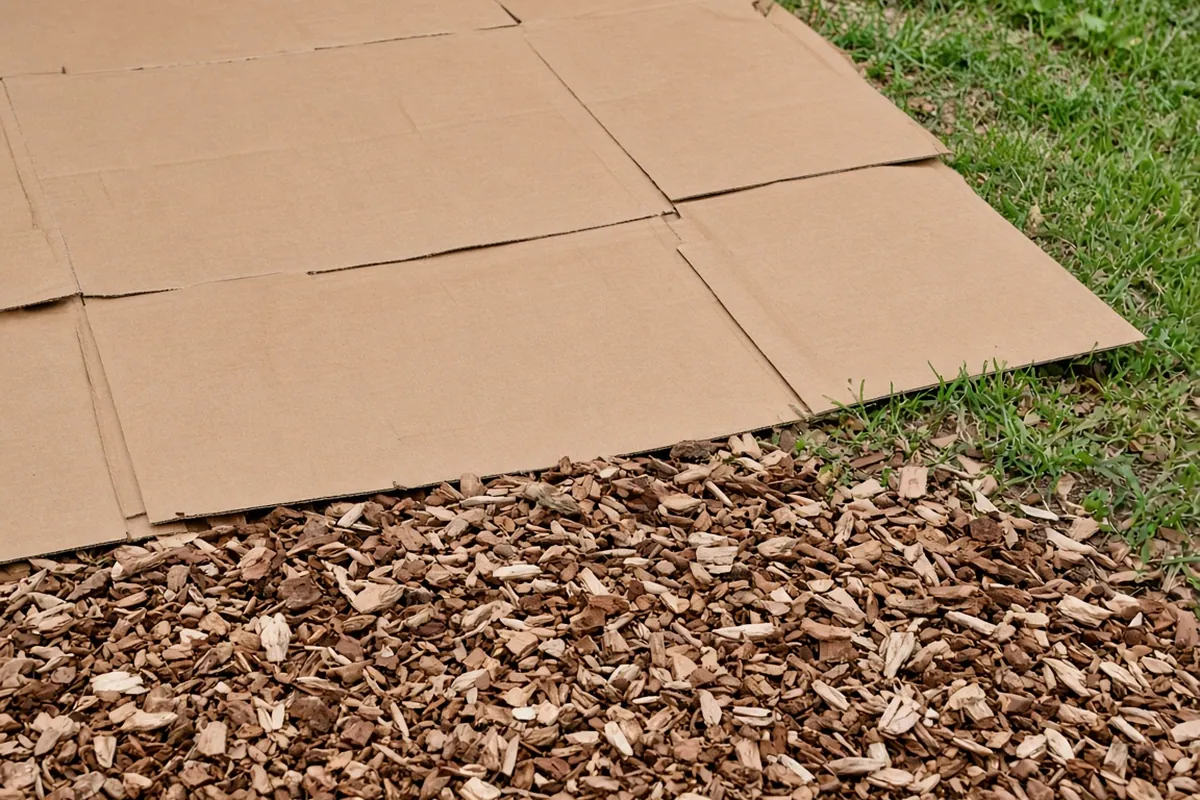
To smother turf without digging, lay several sheets of newspaper or one layer of overlapping unwaxed cardboard. Add 4 to 8 inches of shredded leaves or grass clippings. Top it with 2 to 4 inches of compost. Another option is to cover sunny areas with a reusable tarp for two to three months. Then add 2 to 4 inches of compost.
How to: step by step
- Find out which plants are native to your ecoregion.
- Note where sun, shade plus moist soil fall in the yard.
- Pick natives that suit each spot.
- Cover a patch of lawn with cardboard plus compost to smother the grass.
- Set natives into the prepared bed.
- Water as plants establish.
Troubleshooting
Plants fail: wrong site match. Shift them to conditions that suit them.
Evergreens die over winter: fallen leaves cover them. Uncover evergreens every few weeks, fall through spring.
Garden looks messy: no edges. Add a tidy border or edge to show the garden is maintained.
For related reading see what roles do bees play in outdoor cannabis, garden microclimates for cannabis plus planning an outdoor cannabis garden layout. Kind Seed Co also stocks cannabis seeds.
Sources
- What is a native plant, University of Maryland Extension
- Native plants for wildlife, NC State Extension
- Lawn alternatives, University of Maryland Extension
- Native plants for shade, University of Maryland Extension
FAQ
Do native plants need less water?
It depends on the match. University of Maryland Extension notes many plants from moist valleys need irrigation in dry shade. Plants from hilltops suit dry shade with less upkeep. NC State Extension notes lawn areas need frequent water. Choose natives that fit your site so they need less help once established.
Where can I buy native plants?
NC State Extension notes many conventional nurseries carry few native species. The number of reputable nurseries that specialize in natives is rising. Be wary of deals on natives like orchids plus trilliums, which often signal plants collected from the wild. Ask vendors where their seed was collected so plants suit your ecoregion.
How do I remove lawn for a garden?
University of Maryland Extension describes a no till method. Lay several sheets of newspaper or overlapping unwaxed cardboard. Add 4 to 8 inches of shredded leaves or clippings, then 2 to 4 inches of compost. Or cover sunny areas with a tarp for two to three months, then add compost.
Do native gardens attract wildlife?
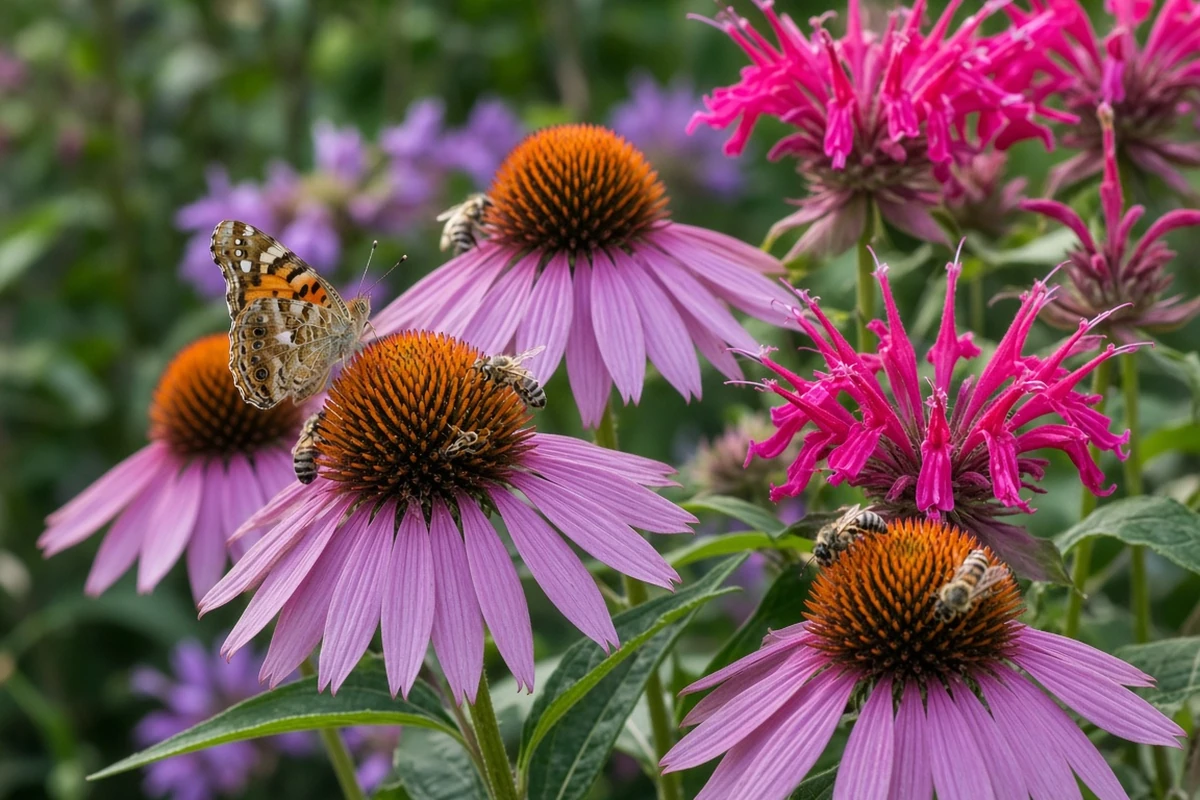
Yes. NC State Extension notes native plants provide food plus cover for wildlife. They offer seeds plus fruits for birds, nectar for hummingbirds plus butterflies, along with host plants for caterpillars. Many caterpillars eat only specific host plants. Layering shrubs plus trees gives birds places to feed plus nest.
Should I rake leaves in a native garden?
Often not. University of Maryland Extension notes woodland plants are adapted to an undisturbed blanket of leaves. Many insects overwinter in fallen leaves, plus whole leaves make an excellent weed barrier. Do uncover evergreen plants like Christmas fern every few weeks from fall through spring, since leaf litter can kill them.


