
How to Make a Xeriscape Garden: Low Water Beds plus Zones
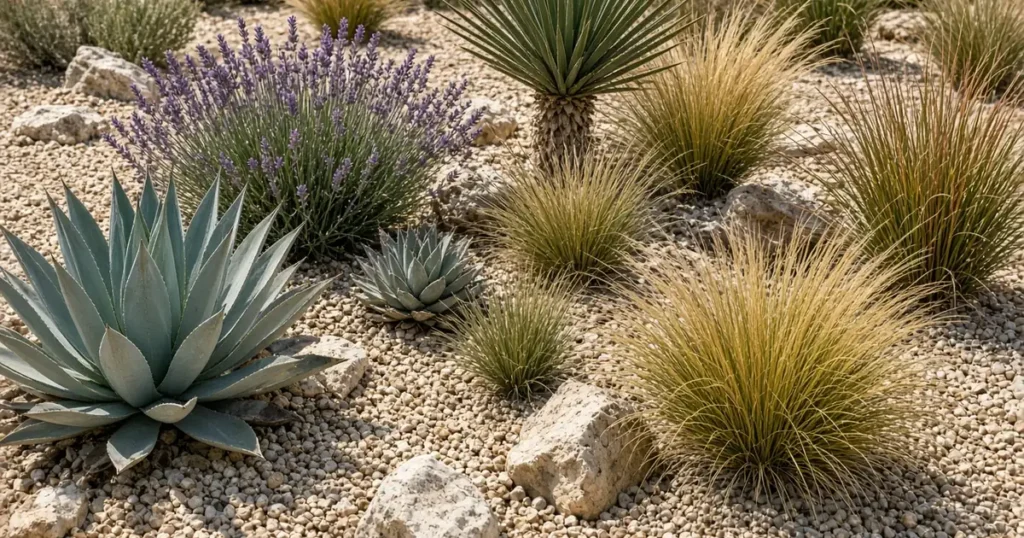
Knowing how to make a xeriscape garden starts with grouping plants by water need. University of Georgia Extension lists seven steps, from planning plus soil work to efficient watering plus mulch. It notes a well designed xeriscape is just as attractive as a traditional yard.
The short answer
Map sunny, shady, wet plus dry areas. Group plants into high, moderate plus low water zones. Loosen compacted soil. Choose drought tolerant plants for dry zones. Use drip irrigation plus mulch. Shrink lawn to play areas plus spots that are easy to water. Water new plants until they establish.
What are the main xeriscape principles?
University of Georgia Extension lists seven steps. They are planning plus design, soil analysis plus improvement, plant selection, practical turf areas, efficient irrigation, mulch plus maintenance. It notes the seven steps work in any climate.
Colorado State University Extension notes compaction is among the largest challenges to overcome. Avoid walking or driving on beds when the soil is wet. Loosen compacted soil gently with a spading fork. Most drought tolerant plants need no soil amendments. They do better in leaner soils that resemble the region’s natural conditions.
How do water zones work?
Utah State University Extension advises grouping plants with similar water needs in the same area or irrigation zone. This helps meet plant needs while conserving water. It also notes smaller plants tend to need less water than larger plants.
| Zone | Water need | Example plants or spots |
|---|---|---|
| High | Watered as needed | Small, highly visible areas such as the home entrance |
| Moderate | Watered only when plants wilt plus turn gray green | Transition beds between high plus low zones |
| Low | Watered only during establishment | Drought tolerant shrubs such as manzanita plus rockrose |
Source: University of Georgia Extension plus Oregon State University Extension.
University of Georgia Extension advises zoning no more than 10 percent of the yard for high water use. It suggests 30 percent or less for moderate use plus 60 percent or more for low use.
Is xeriscape only rocks plus cactus?
No. Colorado State University Extension notes drought tolerant plants can be used in any garden style. Choose plants that complement one another in bloom time, texture, form plus scale. Oregon State University Extension research has grown California lilac, rockrose, manzanita plus ground cover shrubs without summer irrigation.
Turf still has a place. Colorado State notes play areas for children plus pets often suit turf that takes heavy wear. It suggests removing lawn on slopes, along fences plus in narrow strips that are hard to water.

How to: step by step
- Sketch the yard, marking sunny, shady, wet plus dry spots.
- Sort plants by water needs.
- Loosen packed soil where needed.
- Put drought tolerant plants in the driest zones.
- Water with drip irrigation, then add a layer of mulch.
- Limit turf to the areas you use.
Troubleshooting
Plants falter: mixed water needs. Replant them by zone.
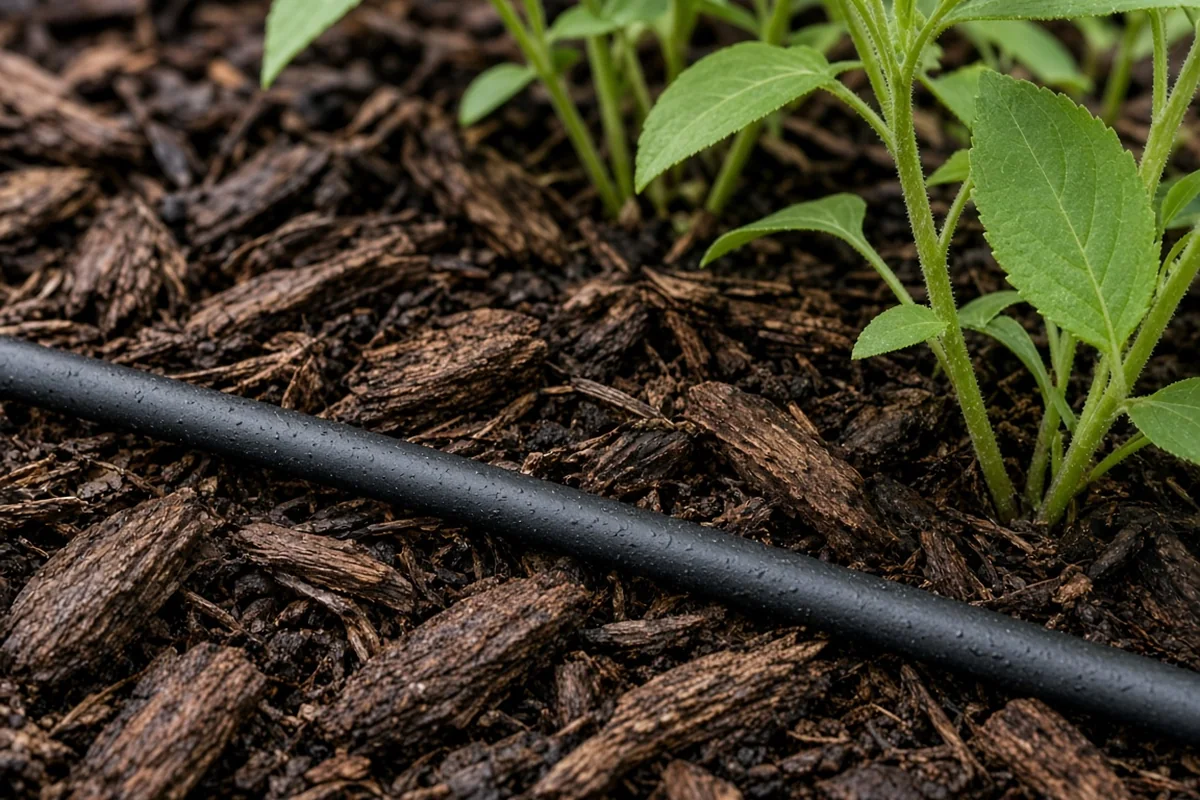
Soil dries quickly: bare soil. Utah State notes mulch prevents crusting, compaction plus water evaporation.
New plants wilt: not yet established. Colorado State notes even drought tolerant plants need regular water after planting until established.
For related reading see watering cannabis during drought, mulch for cannabis plus checking soil moisture by feel. Kind Seed Co also stocks cannabis seeds.
Sources
- Xeriscaping: retrofit your yard, Colorado State University Extension
- Xeriscaping: trees plus shrubs, Colorado State University Extension
- Principles of water wise gardening, Utah State University Extension
- Drought tolerant plants for western Oregon: site selection plus preparation, Oregon State University Extension
- Xeriscape: seven steps to a water wise yard, University of Georgia Extension
FAQ
Does xeriscape mean no lawn?
No. University of Georgia Extension lists practical turf areas as one of its seven steps. Colorado State University Extension notes play areas for children plus pets often suit turf that takes heavy wear. It suggests removing lawn on slopes, along fences plus in strips narrower than 8 feet, which are hard to water.
Which plants suit xeriscape gardens?
Choose plants adapted to your region. Oregon State University Extension has grown California lilac, rockrose plus manzanita without summer irrigation in western Oregon. Colorado State University Extension notes native plus adapted plants save water. Rocky Mountain juniper is a native evergreen on its list. Ask your local Extension office for regional lists.
How much water does a xeriscape need?
It depends on the zone. Utah State University Extension describes zones from no irrigation to twice a week. University of Georgia Extension notes low zones get water only during establishment. Colorado State University Extension notes even drought tolerant plants need regular water after planting until they establish, so plan for that.
Can xeriscape work in humid areas?
Yes. University of Georgia Extension notes the seven steps work in any climate. It also notes overwatering is more of a problem than drought in Georgia yards. Drip irrigation uses 30 to 50 percent less water than sprinklers. Group plants by water need so wet zones get water only as needed.
When should a xeriscape be planted?
Oregon State University Extension notes the ideal time to plant an unirrigated bed in western Oregon is autumn after fall rains begin. If you plant in spring or summer, plants will need extra water the first growing season. Colorado State University Extension notes container grown shrubs can go in any time during the growing season.


