
How to Plant a Perennial Border: Heights plus Bloom Times
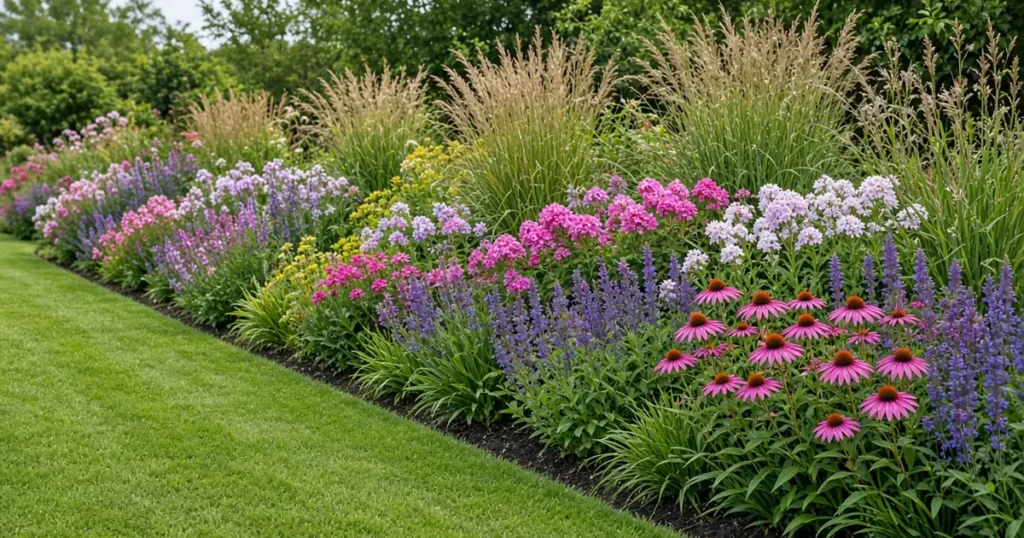
Learning how to plant a perennial border starts with soil, height plus bloom season. University of Missouri Extension notes perennials are often used in border plantings. Careful planning can ensure a succession of bloom through the seasons. Its plant tables list each plant’s height plus bloom period.
The short answer
Prepare the bed early, ideally in fall before spring planting. Check drainage plus work in organic matter. List plants by mature height plus bloom period. Put taller plants toward the back plus small plants in front. Plant in groups of three or five. Divide clumps once they crowd.
How are heights layered in a border?
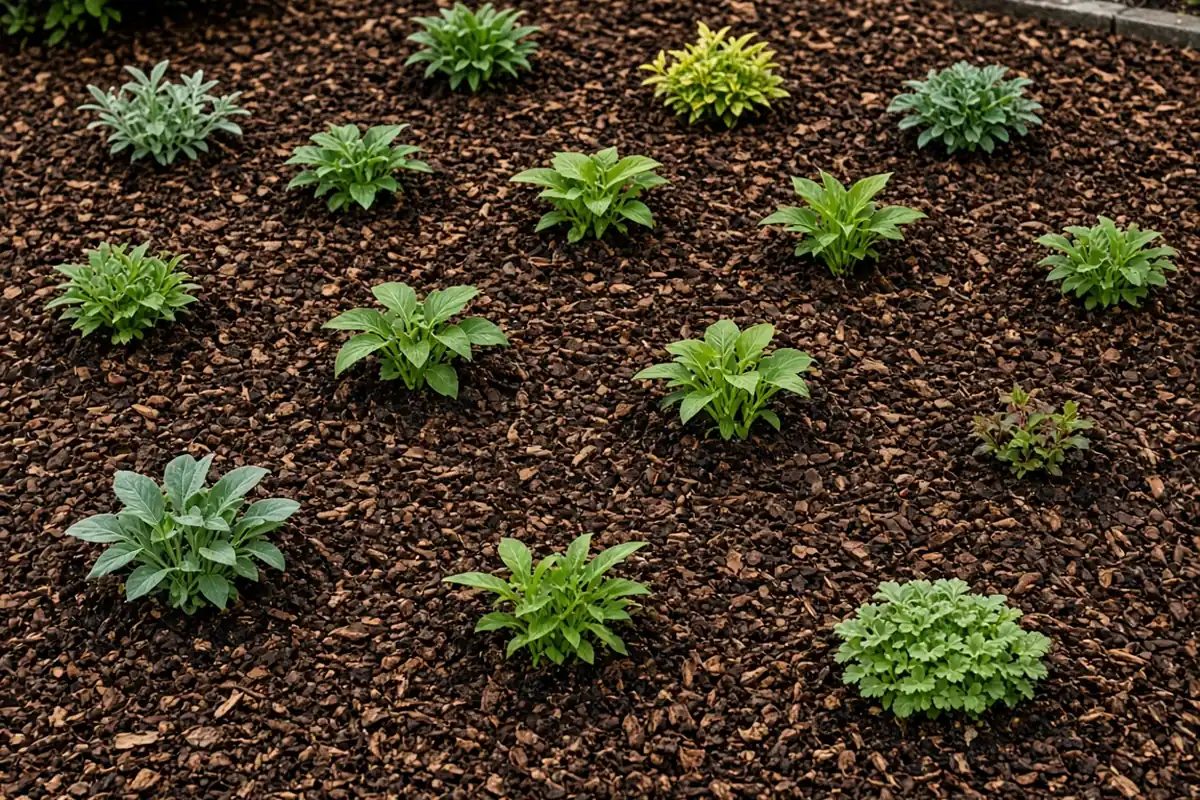
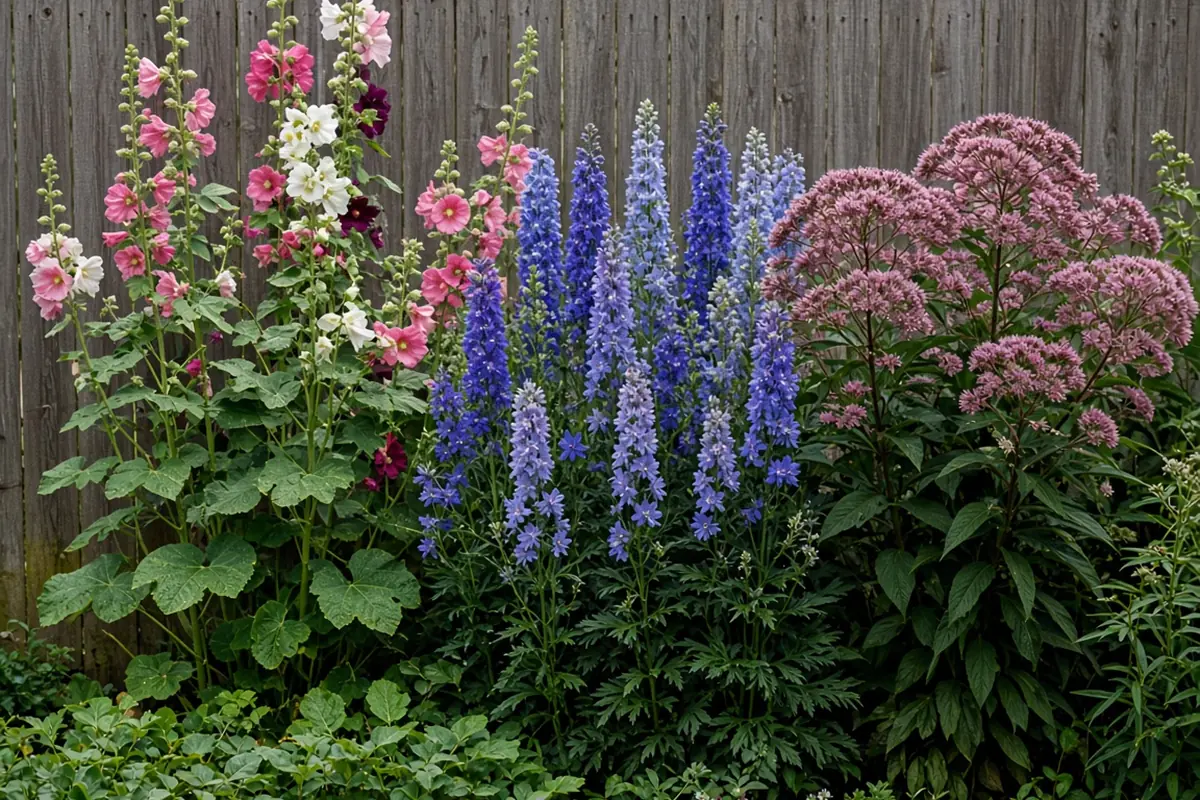
NC State Extension advises considering both mature height plus spread before adding a plant. If plants remain small at maturity, they may look out of place as a background border. So place taller plants behind shorter ones.
University of Illinois Extension describes three layers. A groundcover layer of low, dense plants shades out weeds. A structural layer of tall forbs, grasses plus shrubs forms the bones of the garden. Use single plants or groups of three or five there. A seasonal layer of showy bloomers has more appeal in larger groups.
| Layer | Height | Example plants |
|---|---|---|
| Front | 3 to 5 inches | Creeping phlox, blooms April to May |
| Front | 6 to 10 inches | Lily turf, blooms August |
| Middle | 18 to 24 inches | Coral bells, blooms June |
| Middle | 24 to 36 inches | Black eyed Susan, blooms June to July |
| Middle | 24 to 36 inches | Purple coneflower, blooms August to October |
| Back | 24 to 48 inches | Boltonia, blooms August to September |
| Back | 12 to 72 inches | Aster, blooms July to frost |
Source: University of Missouri Extension.
How do you plan bloom times?
University of Missouri Extension lists a bloom period for each plant. Mix early, middle plus late bloomers to stretch color. Creeping phlox blooms in April plus May. Peony blooms in May plus June. Daylily blooms from June to September. Aster blooms from July to frost.
Illinois Extension advises planning for seasonality. Include spring ephemerals, summer bloomers, fall color plus winter visual interest. Know your site’s sun, moisture plus soil, then choose plants that suit it.
How far apart should perennials go?
University of Maryland Extension advises allowing plenty of space between plants so they have room to develop. Illinois Extension notes groundcover plants may go as little as 12 inches apart, depending on the species. Space taller plants by their mature spread.
Crowding shows up later. University of Minnesota Extension notes overcrowded plants compete for nutrients plus water. Restricted airflow can lead to disease. Smaller blooms, a bald center or stems that fall over are signs it is time to divide.
How to: step by step
- Pick a site plus note its sun, moisture plus soil.
- Ready the bed in fall plus check drainage.
- Work in 1 to 2 inches of organic matter.
- Sort plants by height plus bloom period.
- Set taller plants toward the back.
- Plant in groups of three or five, then water each hole.
Troubleshooting
Gaps in bloom: plants share one bloom time. Include early or late bloomers from the bloom period lists.
Tall plants flop: no support. Iowa State Extension advises putting grids or rings in place early in the season.
Crowded plants: clumps have grown. Divide them when they bloom less or die out in the middle.
For related reading see what roles do bees play in outdoor cannabis, mulch for cannabis plus planning an outdoor cannabis garden layout. Kind Seed Co also stocks cannabis seeds.
Sources
- Flowering perennials: characteristics plus culture, University of Missouri Extension
- Planting annuals plus perennials, University of Maryland Extension
- Staking perennials, Iowa State University Extension plus Outreach
- Dividing perennials, University of Minnesota Extension
- Extension Gardener Handbook, chapter 19, NC State Extension
- Planning a new perennial garden, University of Illinois Extension
FAQ
When should perennials be planted?
University of Maryland Extension advises planting late summer or fall flowering perennials in spring. Plant spring flowering perennials in late summer or early fall. Check exact dates for each plant. Whatever the timing, give perennials enough time to establish before they bloom or before cold weather arrives in your area.
How deep should a border be?
The sources give no set depth, so plan by plant size. NC State Extension advises checking each plant's mature height plus spread first. University of Missouri Extension lists heights from a few inches for creeping phlox to six feet for some asters. Leave room for front, middle plus back plantings.
Do perennials need staking?
Some do. Iowa State Extension notes some perennials need support to stop them flopping on neighbors or snapping in wind. Grids plus peony rings go in early when plants are a few inches tall. Single stakes suit lilies plus delphiniums. Tie stems loosely in a figure 8 with soft twine.
How often should perennials be divided?
It varies by plant. University of Missouri Extension notes coral bells divide every 3 years plus asters every other year. University of Minnesota Extension advises dividing when a plant dies out in the middle, makes smaller flowers or blooms less. Divide fall bloomers in spring plus spring or summer bloomers in fall.
How do I prepare soil for a perennial border?
University of Maryland Extension suggests preparing the bed in fall for spring planting. Check drainage by filling a hole about 10 inches deep with water twice. Water should not remain more than eight hours. Dig in 1 to 2 inches of organic matter, then rake the surface smooth before planting.


