
How to Plant Around a Mailbox: Small Bed Plus Low Plants
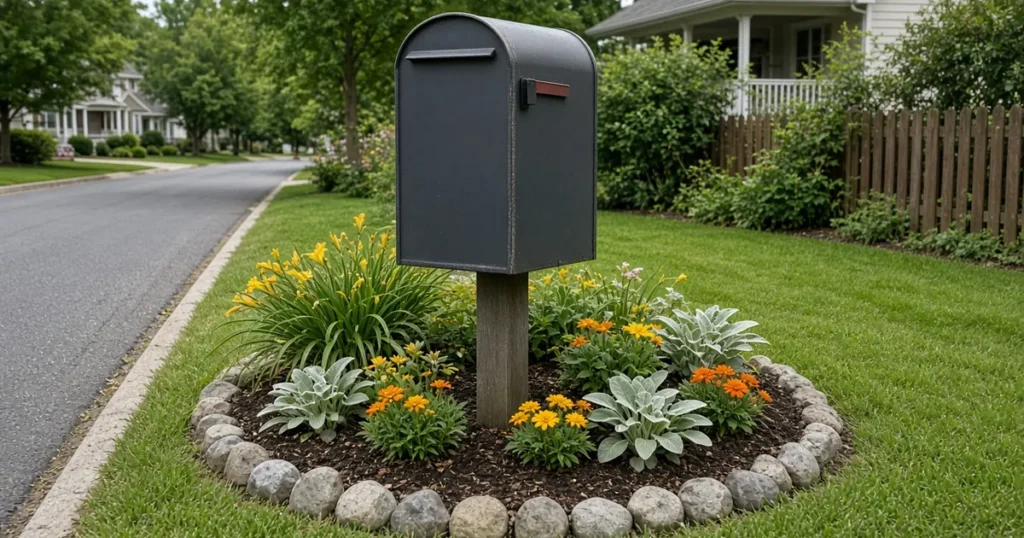
Knowing how to plant around a mailbox starts with a small, well prepared bed. A mailbox bed sits in the public area of the yard. University of Missouri Extension notes that this area gives visitors their first impression of a home.
The short answer
Prepare the soil, check drainage plus add organic matter. Choose plants by their mature height plus spread so they stay in scale with the post. Repeat a few plant types for unity. Mix evergreens with flowering plants so the bed has interest through the year.
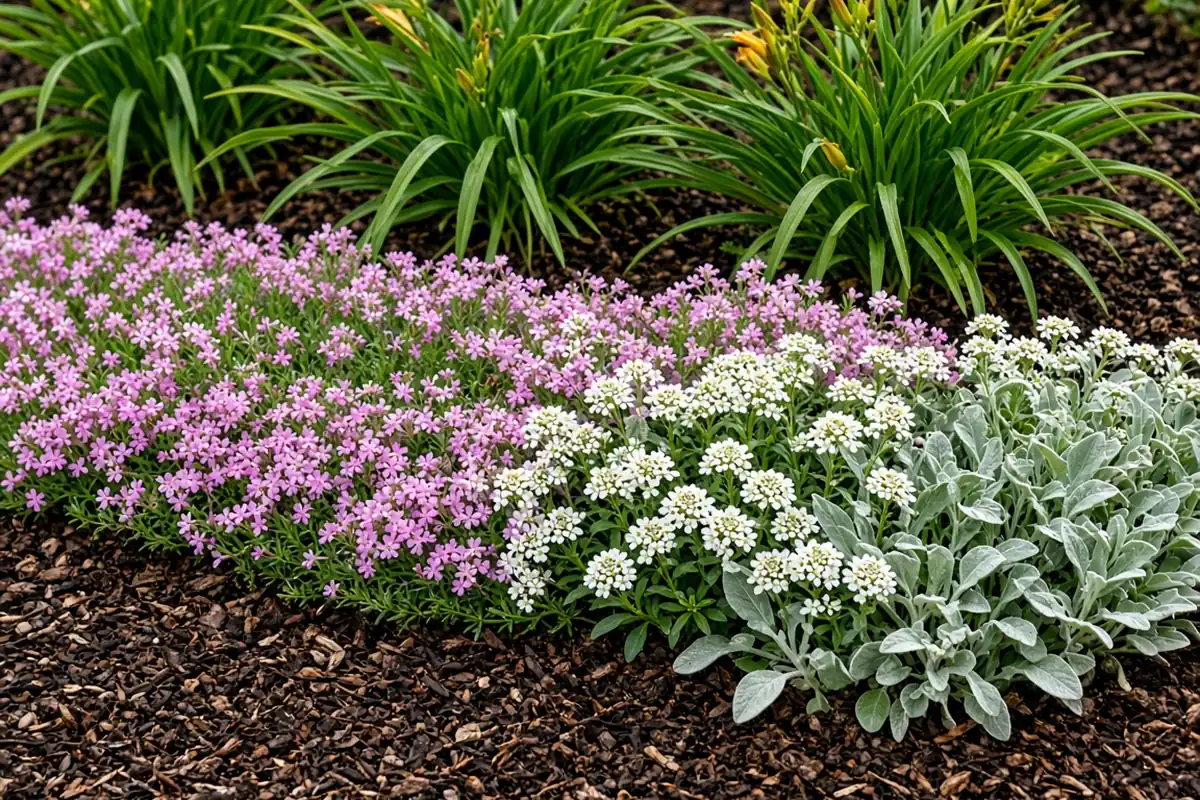
How do you prepare a mailbox bed?
University of Maryland Extension suggests preparing a flower bed in fall to get a head start on spring. Check drainage by digging a hole about 10 inches deep plus filling it with water. Refill it the next day. The water should drain within eight hours.
Dig the bed plus add about 1 to 2 inches of organic matter to improve soil structure. Wood or masonry borders around a raised bed reduce erosion during rain.
Which plants fit near a mailbox?
NC State Extension advises considering both mature height plus spread before adding a plant. Scale compares the size of a plant with what is around it, so small plants suit a small post. LSU AgCenter suggests a mix of evergreen plus deciduous plants so the bed does not look bare in winter.
| Zone | Height | Plant type |
|---|---|---|
| Back of bed | Taller | Evergreen shrubs for winter interest |
| Middle | Medium | Perennials with staggered bloom times |
| Front edge | Low | Annual bedding plants set out after the last frost |
Source: LSU AgCenter plus University of Maryland Extension.
How do you make the bed look unified?
University of Missouri Extension notes that unity comes from choosing plants that complement each other plus repeating elements. NC State Extension notes that too many ideas in a small space lack unity.
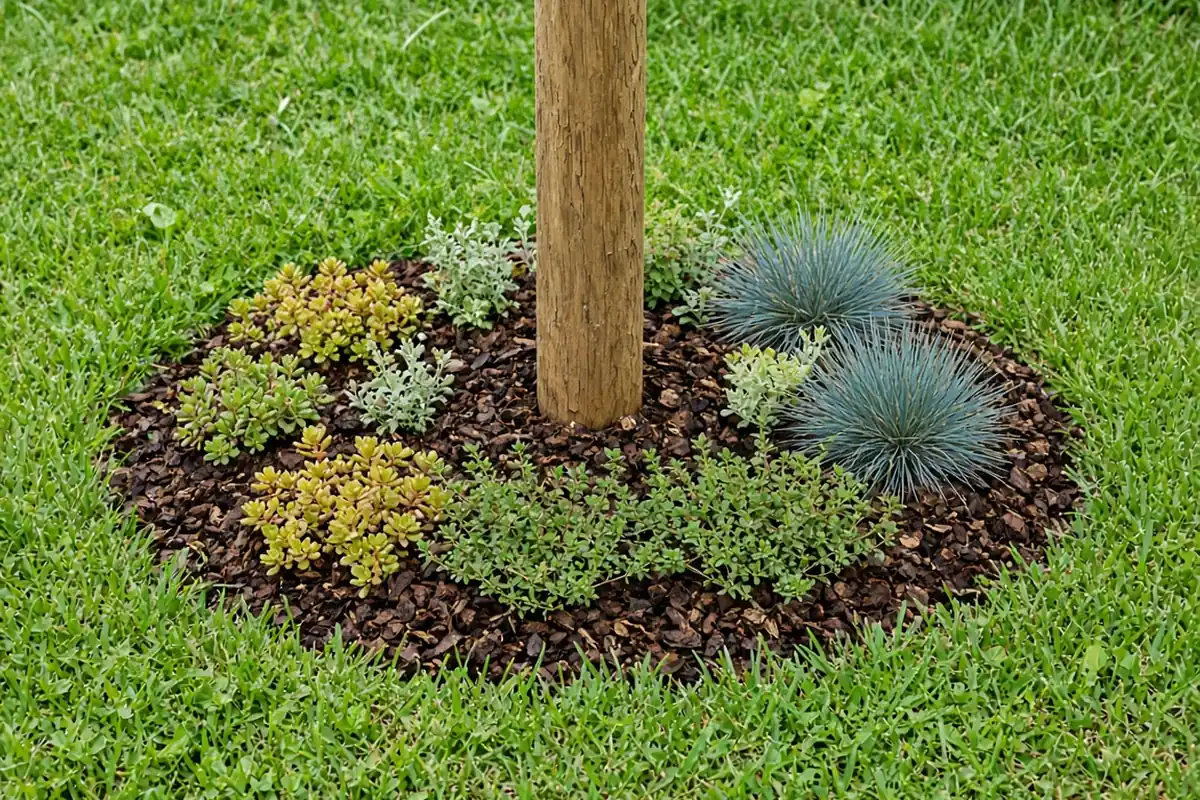
How to: step by step
- Outline the bed around the post.
- Gauge drainage with a water filled hole.
- Mix 1 to 2 inches of organic matter into the soil.
- Pick plants by mature height plus spread.
- Plant annuals after the last frost date.
- Allow room between plants to develop.
Troubleshooting
Water stands in the bed: poor drainage. University of Maryland Extension suggests digging furrows beside the bed to raise it.
Bed looks bare in winter: all deciduous plants. Add evergreens.
Bed looks cluttered: too many plant types. Repeat a few.
For related reading see planning a garden layout, mulch for beds plus soil drainage in beds. Kind Seed Co also stocks cannabis seeds.
Sources
- Residential landscaping (MG11), University of Missouri Extension
- Extension Gardener Handbook chapter 19, NC State Extension
- Designing and planting foundation beds, LSU AgCenter
- Planting annuals and perennials, University of Maryland Extension
FAQ
When should a mailbox bed be planted?
University of Maryland Extension advises setting out annual plants after the last frost date for your area. Plant late summer or fall flowering perennials in spring. Plant spring flowering perennials in late summer or early fall. Allow perennials time to establish before they bloom or face cold weather.
How can a mailbox bed bloom all year?
LSU AgCenter suggests considering the bloom time of each plant so there is interest each season. Some improved cultivars bloom more than once, such as repeat blooming roses. Include selections that bloom in spring, summer, fall plus winter. Evergreens add structure when few plants are in flower.
Should a mailbox bed be symmetrical?
Either style can work. University of Missouri Extension notes that symmetrical balance mirrors plants on both sides plus gives a formal look. Asymmetrical balance uses unequal elements placed with care. NC State Extension adds that a large plant can be balanced by a cluster of smaller plants on the other side.
How should transplants be readied?
University of Maryland Extension advises hardening off transplants by leaving them outside for gradually longer periods. The plants receive more light plus cooler temperatures, which improves their vigor. When planting, dig a hole large enough for the root system plus set the plant at the same level it grew before.
How much space should plants have?
University of Maryland Extension advises allowing plenty of space between plants to give them room to develop. NC State Extension adds that mature height plus spread should be considered before a plant is added. Checking these sizes early stops plants from crowding the post or each other as they grow.


