
How to Start a Garden in Spring: Bed Prep Plus First Plants
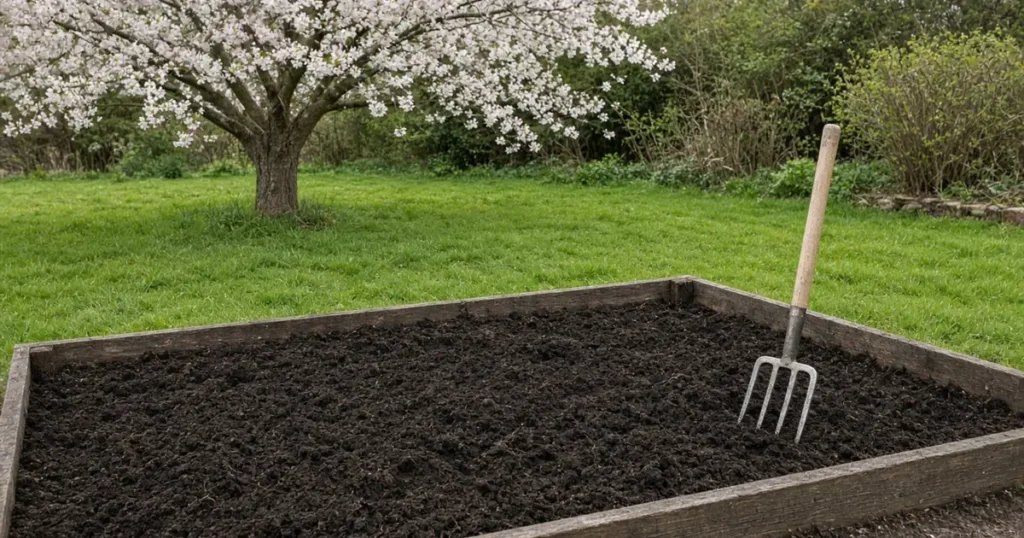
Knowing how to start a garden in spring begins with the site. University of Wisconsin Extension notes that most vegetables need full sun, meaning at least six hours of direct sunlight each day. The site should drain well plus sit near a water source.
The short answer
Pick a sunny, well drained site away from trees. Clear grass plus weeds, then work two to three inches of compost into the soil at least a month before planting. Plant cool season crops early in spring. Plant warm season crops after the last spring frost.
Where should a spring garden go?
University of Wisconsin Extension advises watching a site through the season so trees or buildings do not shade it from late morning through afternoon. Avoid low spots where frost settles plus steep slopes where runoff could occur. NC State Extension notes that fruiting crops such as tomatoes do better with 10 hours of sun.
How do you prepare the soil?
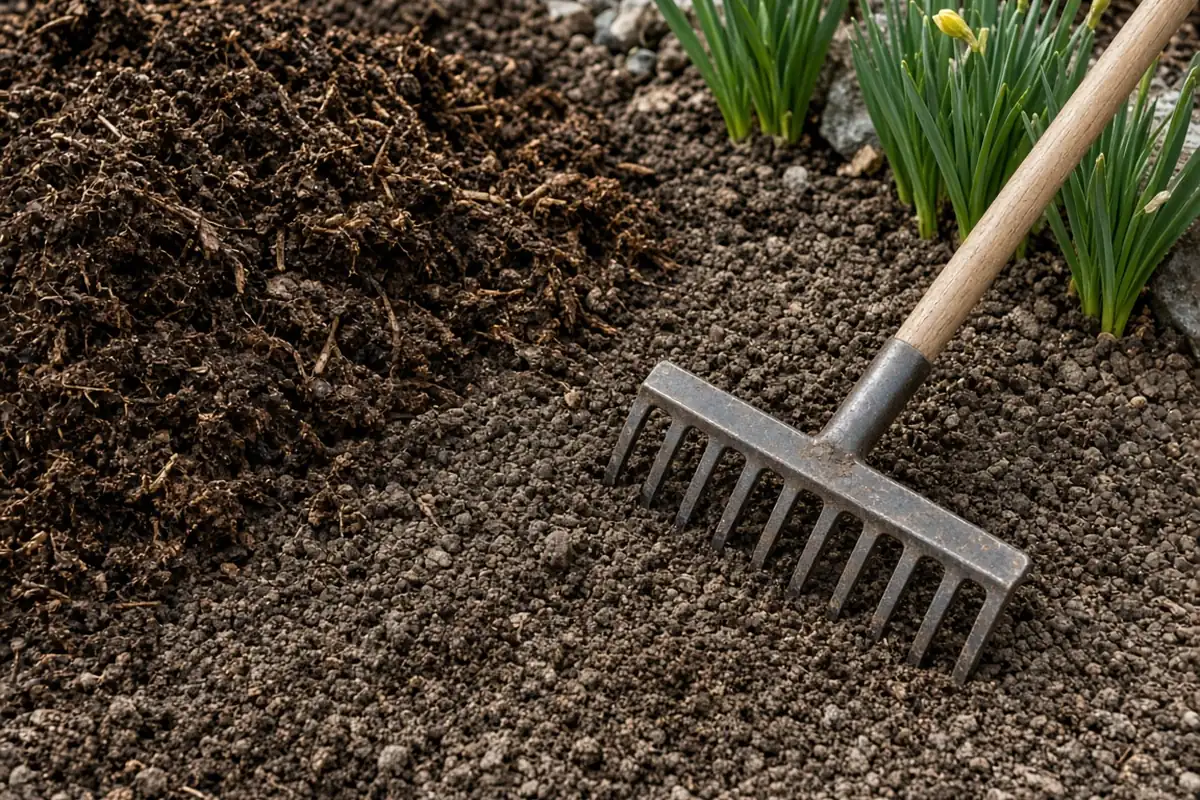
University of Wisconsin Extension suggests starting the year before planting if you can. Remove grass, then cover the area with cardboard, a tarp or black plastic to smother what is left. Compost helps sandy soils hold water plus makes clay soils lighter.
A soil analysis from a lab reports soil type, pH plus organic matter. The same source notes that most vegetables grow well at a pH between 6.0 and 7.2.
Which crops go in first?
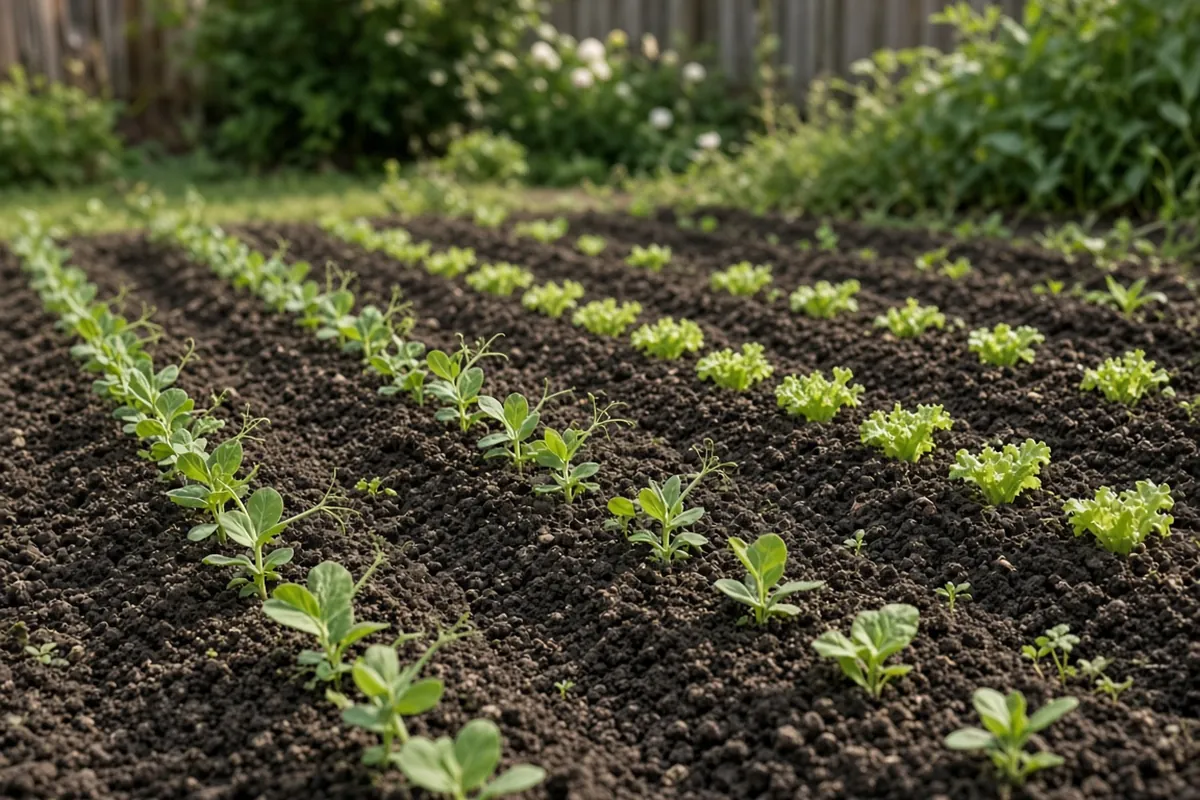
NC State Extension groups vegetables by season. Cool season crops grow well below 70°F, while warm season crops need soil that has warmed after the last frost.
| Crop group | When to plant | Examples |
|---|---|---|
| Cool season | Early spring | Lettuce, peas, spinach plus radishes |
| Warm season | After the last spring frost | Beans, squash, peppers plus tomatoes |
| Long season | Start indoors in early spring | Varieties that need more days than the season allows |
Source: NC State Extension plus UMN Extension.
How to: step by step
- Pick a site with at least six hours of direct sun.
- Remove grass plus weeds from the bed.
- Mix two to three inches of compost into the soil.
- Mail a soil sample to a lab.
- Sow cool season crops in early spring.
- Sow warm season crops after the last frost.
Troubleshooting
Crops shaded part of the day: trees or buildings nearby. Pick a site with sun from late morning through afternoon.
Water puddles in the bed: poor drainage. Avoid low spots plus add compost.
Lettuce bolts early: NC State Extension notes that cool season crops bolt as days lengthen plus temperatures rise. Plant them earlier.
For related reading see when soil is ready to work, soil analysis plus raised beds. Kind Seed Co also stocks cannabis seeds.
Sources
- Beginning vegetable garden basics, University of Wisconsin Extension Horticulture
- Vegetable gardening: a beginner’s guide, NC State Extension
- Starting seeds indoors, UMN Extension
- Planting and Growing a Home Garden, Penn State Extension
FAQ
When should spring planting start?
Cool season crops such as beets, lettuce, peas plus spinach go in early spring, according to NC State Extension. Warm season crops such as beans, squash plus tomatoes wait until after the last spring frost when soils have warmed. UMN Extension adds that many long season vegetables must be started indoors in early spring.
What should a first garden include?
University of Wisconsin Extension suggests starting small with a few crops that are easy to grow. Beans, beets, herbs, lettuce, onions, radishes, squash plus tomatoes are named as good choices for first time gardeners. Check how large each crop grows so plants are not crowded, since crowding lowers yields.
Why add compost before planting?
Compost improves the structure plus fertility of most garden soils, according to University of Wisconsin Extension. It helps sandy soils hold moisture plus nutrients, while clay soils become lighter plus better drained. The same source suggests working two to three inches into the soil at least a month before planting.
Raised beds or in ground?
Either can work. NC State Extension notes that soil in raised beds warms more quickly in spring plus stays warm longer into fall. Raised beds also need more frequent watering than an in ground garden. Penn State Extension adds that raised beds are an option when soil quality is a concern.
How much water does a new garden need?
NC State Extension notes that vegetables need about one inch of water per week on average. You only need to supply what rain does not. Water the soil, not the plant, since many diseases spread by water splashing on leaves. Place the garden near a water supply to make watering easier.


