
How to Plant a Winter Garden: Hardy Crops Plus Covers
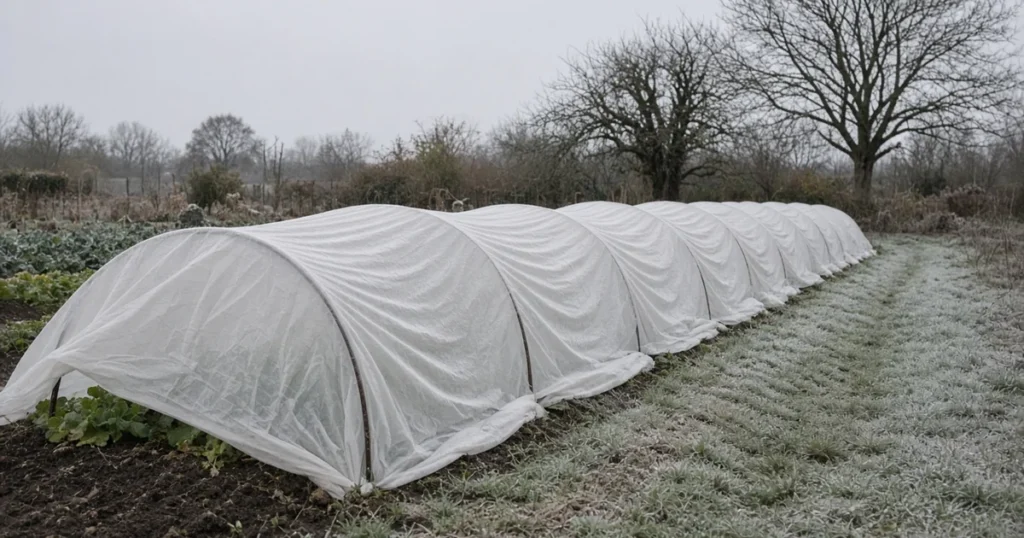
Learning how to plant a winter garden pays off most in mild areas. WSU Extension notes that mild winters on the North Olympic Peninsula let gardeners grow plus pick many crops through the cooler months.
The short answer
Choose crops suited to short days plus cold, such as leafy greens, root crops plus cole crops. WSU Extension notes that most winter crops there are planted from mid July through August. Pick a warm, sheltered spot. Cover crops with a cold frame or row cover in heavy rain or cold.
Which crops handle winter cold?
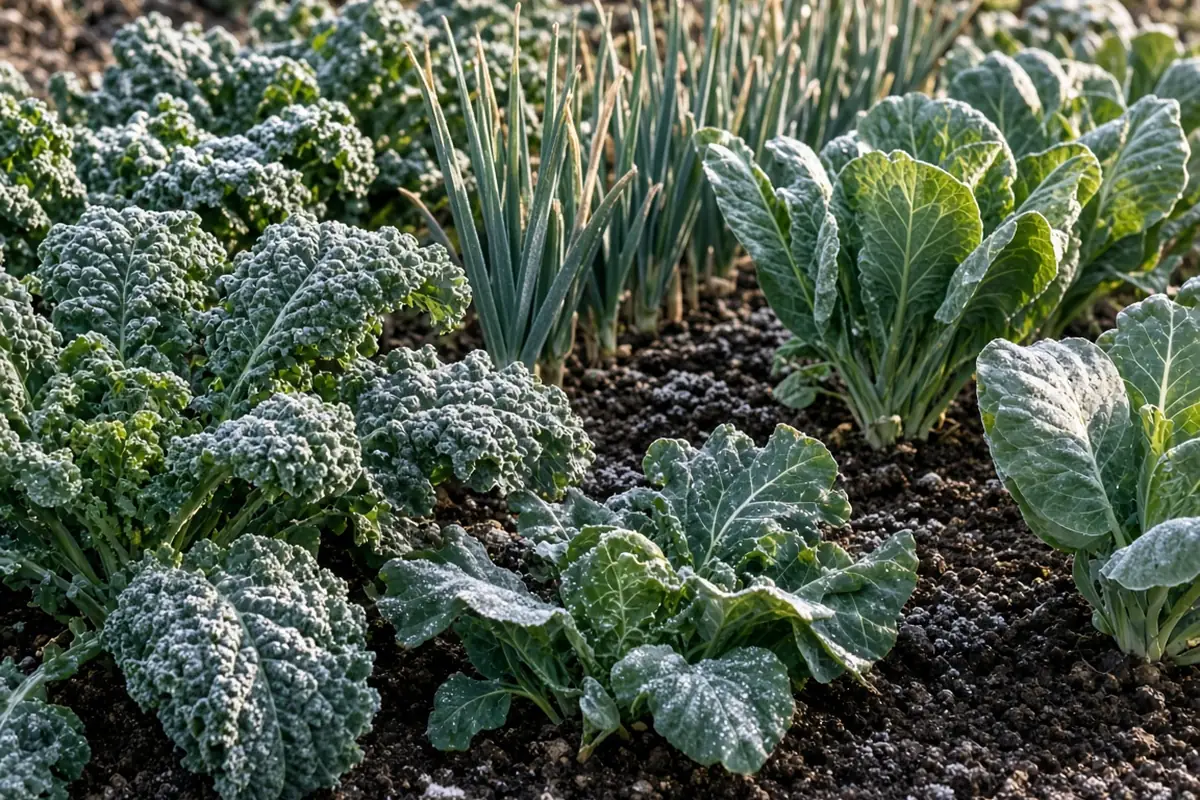
WSU Extension names leafy greens, root crops plus cole crops as well suited to winter gardens. Its planting chart lists kale sown July to August for picking October to May. Spinach sown August to September can be picked October to February.
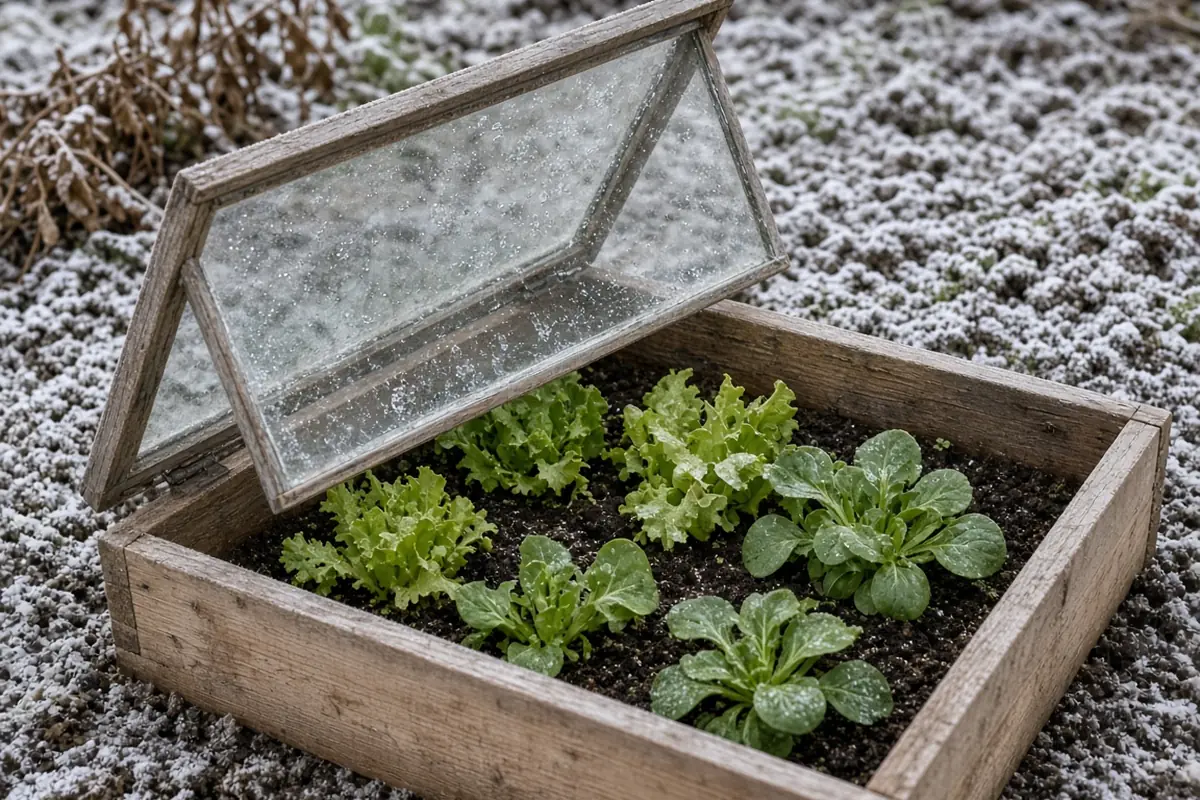
Nebraska Extension lists many crops grown through winter in a cold frame. These include arugula, carrots, kale, lettuce, spinach plus Swiss chard.
Why plant before short days arrive?
Plants need to be well established by the first frost. WSU Extension advises planting late enough that crops do not mature in warm weather, but early enough to settle in before frost. NC State Extension adds that higher nitrogen levels leave plants soft plus less hardy.
| Crop | Sow | Pick |
|---|---|---|
| Kale | July to August | October to May |
| Spinach | August to September | October to February |
| Chard | August to September | November to January |
Source: WSU Extension plus Nebraska Extension.
How do covers shelter crops?
WSU Extension notes that cold frames plus row covers shield plants from frost, heavy rain plus cold winds. Nebraska Extension notes that a cold frame can raise air temperature by 5 to 10 degrees or more. UNH Extension notes that a light row cover may give 2°F of frost shelter, while a heavy one may give 6°F to 10°F.
How to: step by step
- Learn your area’s winter lows plus frost dates.
- Pick the warmest, wind free spot in the garden.
- Blend compost to improve drainage.
- Start cold hardy crops from midsummer on.
- Add row covers or cold frames on cold nights.
- Open cold frames on warm days.
Troubleshooting
Crops stop growing: short days plus cold. Plant earlier so crops size up before winter.
Slugs plus leaf disease after heavy rain: wet soil. WSU Extension suggests covering crops to shed rain.
Heat builds in a cold frame: no venting. WSU Extension advises venting when temperatures rise above 45°F.
For related reading see frost damage, mulch for beds plus garden microclimates. Kind Seed Co also stocks cannabis seeds.
Sources
- Fall and winter gardening, WSU Clallam County Master Gardener Program
- Season extension: introduction and basic principles, NC State Extension
- Using row covers in the garden, UNH Extension
- Extend your growing season with a hotbed or cold frame, Nebraska Extension
FAQ
Can vegetables grow all winter?
In mild areas many can. WSU Extension notes that mild winters let gardeners grow plus pick many crops through the cooler months. Its chart lists fall lettuce plus spring greens that can be picked all winter if covered. Growth slows in short days, so plants should be sized up before winter.
What is a cold frame?
Nebraska Extension describes a cold frame as a simple unheated structure that shelters plants from wind plus cold. It is heated only by the sun, which passes through a lid of clear plastic, glass or fiberglass. Wood plus cinder block are the most common frame materials, according to WSU Extension.
Do row covers stop frost?
They soften it. UNH Extension notes that a lightweight row cover might give 2°F of frost shelter, while a heavy one might give 6°F to 10°F. NC State Extension adds that a covered crop may develop less cold hardiness than an uncovered one, since the air under the cover stays mild.
Which greens handle the most cold?
WSU Extension lists kale sown in July or August for picking from October into May. Its chart also lists spinach plus arugula for picking into February, which shows how long these greens last in mild winters. Nebraska Extension lists the same greens among crops grown through winter in a cold frame.
Where should a winter garden go?
WSU Extension suggests the warmest, wind free location you can find, which is often a south facing plot. Good soil drainage matters, along with easy access for winter picking. Amend the soil with compost to improve drainage plus restore nutrients used by summer crops.


