
Jade Plant Leaves Falling Off? Water Swings Plus Cold
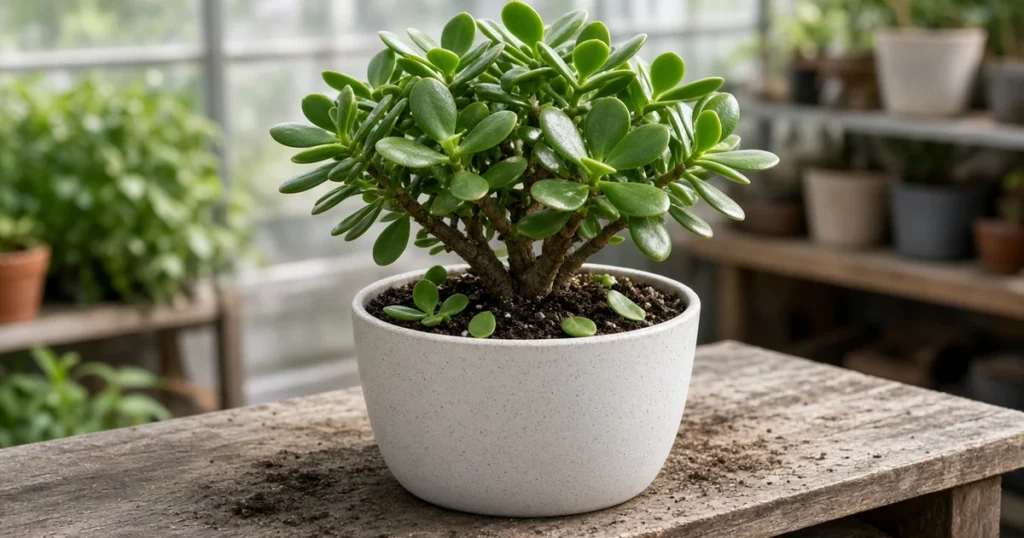
Jade plant leaves falling off usually trace back to watering at one extreme or the other. Penn State Extension notes that extremely dry or wet conditions can cause leaf drop. Water only when the soil is dry, give plenty of light plus shelter the plant from frost.
The short answer
Leaf drop on a jade most often comes from water at an extreme. Penn State Extension notes that extremely dry or wet conditions cause leaves to fall. UW Madison Extension adds that overwatering can rot the stem. Water only when the soil is dry plus hold back further in winter.
What makes jade leaves drop?
UW Madison Extension notes the lower leaves slowly drop off naturally. Leaves burnt by sunburn or frost also die plus fall, but new leaves sprout. Beyond that, water is the common cause. UW Madison notes overwatering causes leaves to drop plus the stem to rot, while plants that dry out too much can also drop leaves.
| Cause | Sign | Fix |
|---|---|---|
| Overwatering | Leaves drop plus the stem softens | Water only when the soil is dry |
| Too dry for too long | Leaves drop | Water thoroughly once the soil is dry |
| Frost or sunburn | Damaged leaves die plus fall | Move the plant plus wait for new growth |
| Low light | Light green leaves with no red edges | Move to a sunny window |
| Natural aging | Lower leaves drop slowly | No fix needed |
Source: UW Madison Extension plus Penn State Extension.
How should a jade be watered?
Penn State Extension advises watering infrequently plus only when the soil is completely dry, in a cactus or succulent mix. UW Madison Extension notes plants can be watered more freely in spring plus summer but should not sit in water. NC State Extension advises reducing water from fall to late winter.
Does cold make jade leaves fall?
Frost can. UW Madison Extension notes jade may tolerate light frost but will be killed by freezing, plus that frost burnt leaves die plus fall off. Plants summered outdoors must return indoors before frost. NC State Extension lists bright light plus average to cool indoor temperatures for good growth.
How to: step by step
- Feel the soil plus water only when it is completely dry.
- Use a cactus or succulent mix in a pot that drains.
- Drain the saucer after watering.
- Give four or more hours of direct sun each day.
- Ease off on water from fall to late winter.
- Bring outdoor plants inside before frost.
Troubleshooting
Leaves drop with soft, dark stems: overwatering plus possible stem rot. Allow the soil to dry plus water less often.
Leaves fall while the soil is bone dry: the plant stayed dry too long. Penn State Extension notes extremely dry conditions can cause leaf drop. Water thoroughly once the soil is dry.
White fluffy spots where leaves meet stems: mealybugs. Penn State Extension suggests a cotton swab dipped in rubbing alcohol to wipe them off.
For related reading see a guide to overwatering and cannabis growth, underwatering cannabis plus what cannabis leaves can tell you. Kind Seed Co also stocks cannabis seeds.
Sources
- Jade plant, University of Illinois Extension
- Jade plant, a no fuss houseplant, Penn State Extension
- Jade plant, Crassula ovata, UW Madison Extension
- Crassula ovata (jade plant), NC State Extension Gardener Plant Toolbox
FAQ
Are jade leaves meant to fall off?
Some leaf loss is normal. UW Madison Extension notes the lower leaves of a jade will slowly drop off naturally as the stems mature plus turn woody. Worry only when many leaves drop quickly or the stem feels soft, which points to a watering problem or damage from frost or sunburn.
How much light does a jade need?
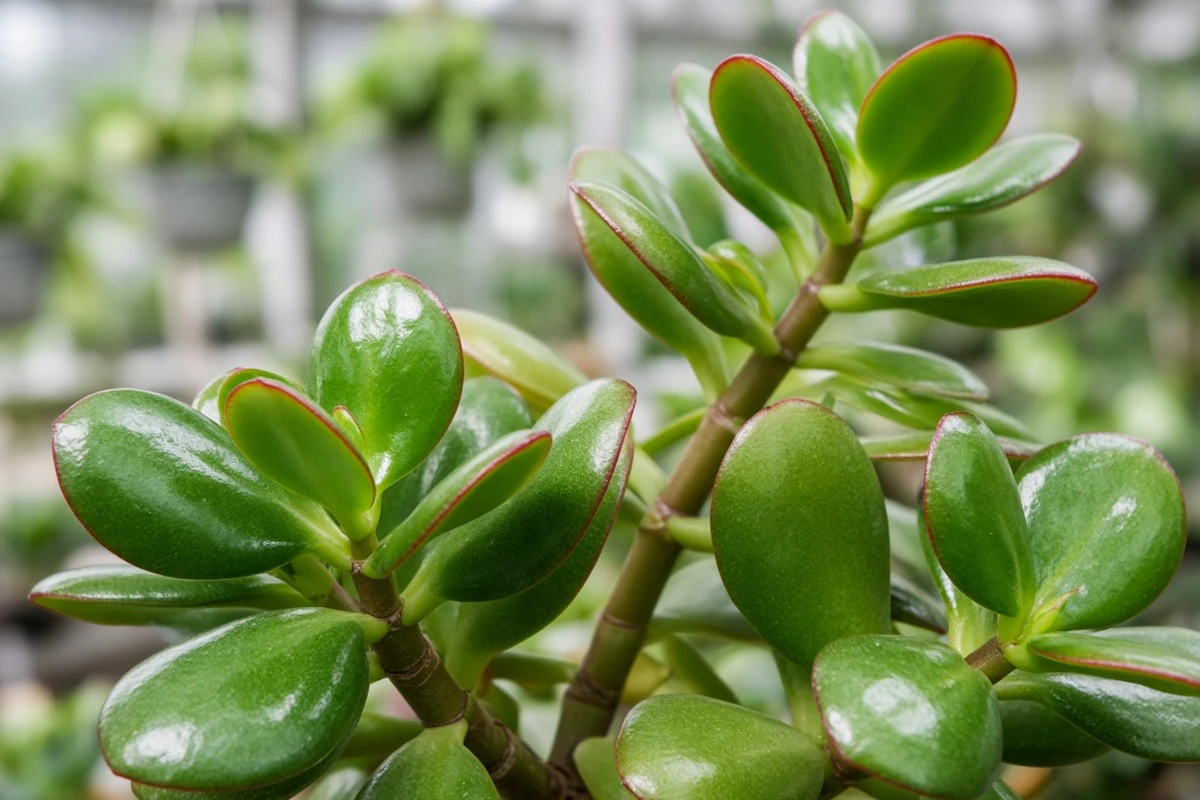
University of Illinois Extension notes jade plants do well with four or more hours of direct sun but also seem to grow in bright, indirect light. Penn State Extension notes leaves show red margins when they receive enough sunlight, so a jade with plain green leaves may need a brighter window.
Can fallen jade leaves grow new plants?
Yes. UW Madison Extension notes leaves or pieces that break off will root in a few weeks. It advises letting cuttings dry for a few days so the cut surface dries over plus is less likely to rot, then inserting the cut end into fairly dry, well drained soil to speed rooting.
What are the dots on jade leaves?
Penn State Extension notes you may see tiny white or black dots on jade leaves. These are water transferring pores called hydathodes plus are not a sign of disease. They differ from mealybugs, which are white, fluffy insects that gather where leaves join the stem plus can deform new growth.
How often should a jade be fertilized?
Penn State Extension suggests fertilizing two to three times during spring plus summer but cautions against overdoing it, since that can make the plant leggy. If you repot your jade, it advises waiting four months before you apply fertilizer. Jade plants are happy root bound plus may be repotted every two to three years.



