
Leaving Habitat Snags: Dead Trees for Birds
The short answer
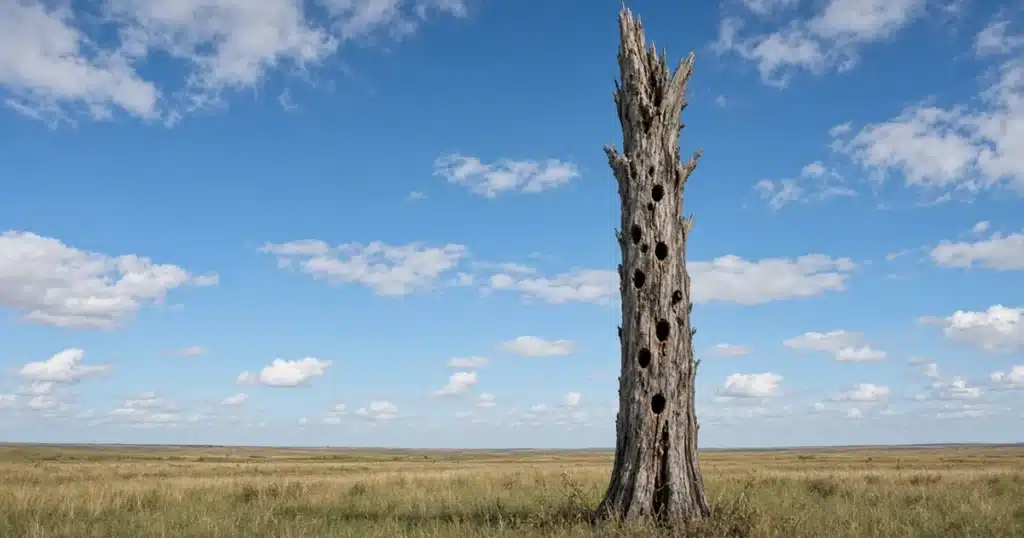
Leaving habitat snags, or standing dead trees, gives woodpeckers, owls and many other animals places to nest, perch and feed. UF/IFAS Extension says snags suit remote corners away from people, buildings, vehicles and utilities. Near targets, an arborist can cut the tree down to a shorter wildlife pole instead of removing it.
What is a habitat snag?
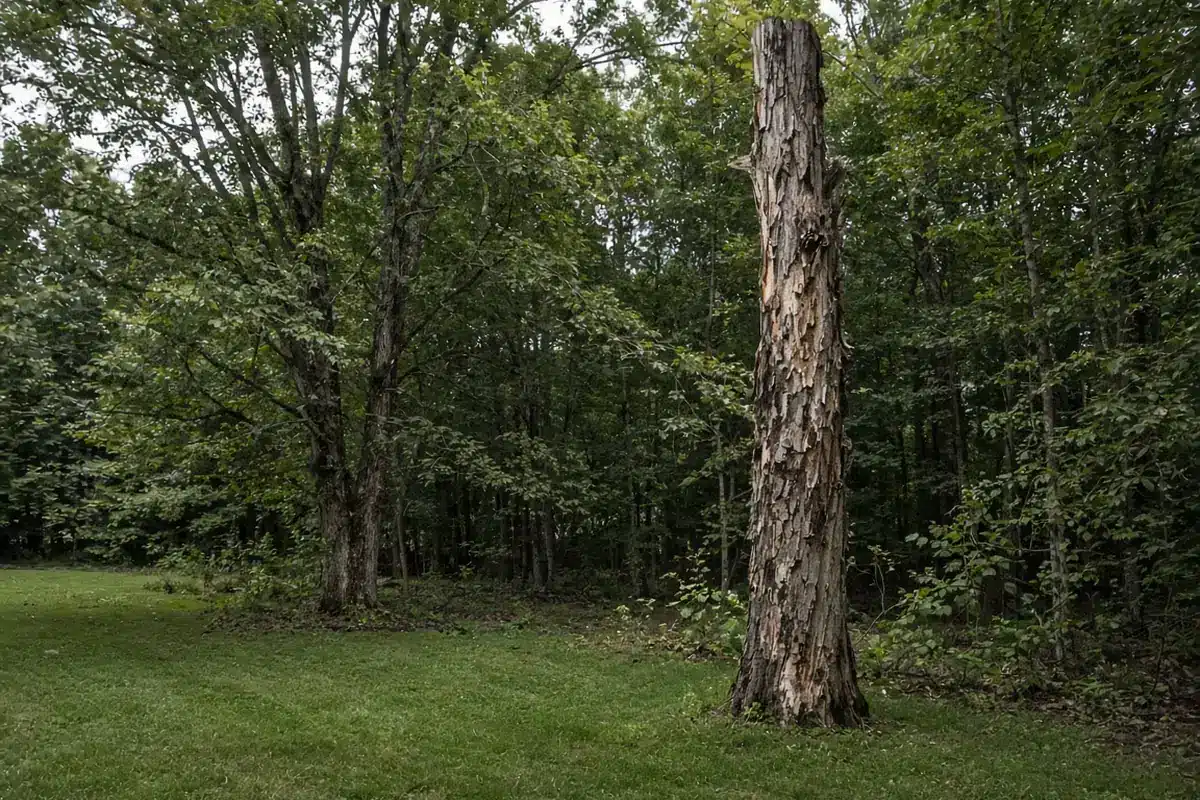
UF/IFAS Extension says standing dead trees, called snags or wildlife trees, provide critical habitat for many insects, reptiles and mammals to forage, hunt and reproduce. It also describes wildlife poles, or woodpecker poles, which are the main trunk or a high stump left after the top of a snag or dying tree is cut off.
A snag changes over time. UF/IFAS says it gives different habitat and food to a series of organisms as it ages, and its value increases with decay. Dead wood also helps the soil. A snag, stump or log helps hold soil on slopes and slowly returns organic matter and nutrients.
Which wildlife uses snags?
Mississippi State University Extension says cavity nesting birds such as woodpeckers and owls need snags they can hollow out for a nest, and it says dead trees provide homes for more than 400 species of birds, mammals and amphibians. UF/IFAS says 25 of Florida’s bird species need dead branches or rotting cavities for nesting, including the pileated woodpecker and white breasted nuthatch.
Different parts of a snag serve different animals. UF/IFAS says hollow cavities can house flying squirrels and nesting birds, gaps under loose bark can shelter lizards, frogs and bats, and dead treetops serve as perches for songbirds and lookouts for raptors and owls. University of Illinois Extension says that when a dead tree falls, or even before, small mammals and snakes move into the spaces in and under the bark. For more on birds around a garden, see birds and cannabis symptoms and solutions.
Where should a dead tree stand?
UF/IFAS says every snag breaks apart in time, so location decides everything. Illinois Extension says to leave dead trees and old stumps where falling wood hits nothing of value.
UF/IFAS describes a fall zone around a tree. An arborist may mark a circle with a radius up to 1.5 times the tree’s height. Movable items such as a swing set or table can be relocated. For a house or utility line, the tree can be cut to a height that shrinks the circle until those items sit outside it.
| Location | Status | Option |
|---|---|---|
| Remote corner, no targets | Quiet | Leave it to decay |
| Near a table or swing set | Movable target | Move the target |
| Near a house or utility line | Fixed target | Cut down to a short pole |
| Busy path or driveway | Busy | Remove the tree |
Source: UF/IFAS Extension.
UF/IFAS suggests a certified arborist to help pick which snags to keep. Trees and shade also change growing conditions nearby. See growing cannabis near trees.
How to: step by step
- Identify dead or dying trees on your property.
- Picture a circle 1.5 times the tree’s height around each one.
- List any people, buildings, vehicles or lines inside it.
- Move what you can, such as tables or play sets.
- Have an arborist assess trees near fixed targets.
- Cut tall snags down to a short pole if needed.
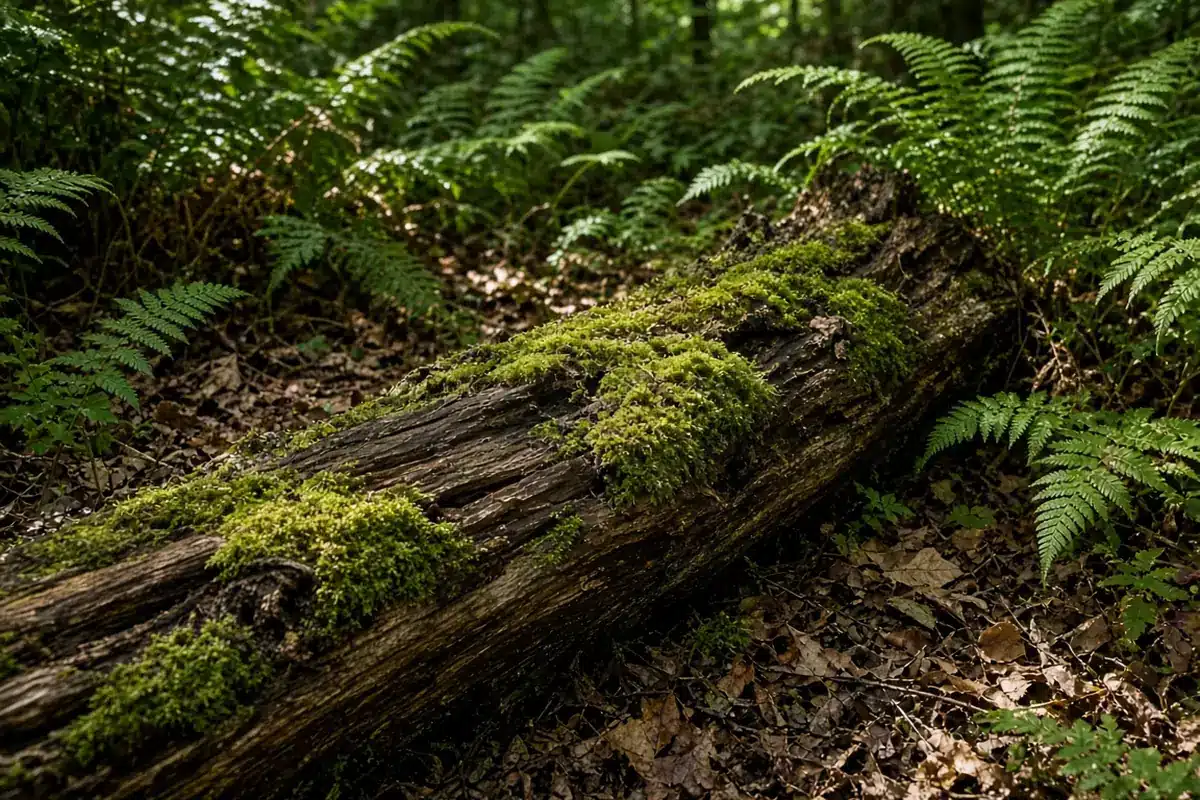
- Leave fallen logs, stumps and brush piles where nothing is nearby.
UF/IFAS says even a short pole or stump is ecologically better than no dead wood at all. Native trees are more valuable to local wildlife than non native ones, and harder wood lasts longer as habitat. Snags also shape light and wind in a yard. See garden microclimates for cannabis.
Troubleshooting
Snag near the house: too close. Have it cut down to a short pole or removed.
Snag over a busy path: poor spot. Reroute the path or remove the snag.
Unsure which snags to keep: UF/IFAS suggests a certified arborist to help pick.
Neighbors object: UF/IFAS suggests talking about the benefits and hanging a sign such as “woodpecker habitat”.
No room for a standing snag: keep logs, stumps or a brush pile instead. UF/IFAS says many animals use such shelter to overwinter.
Dead wood, placed with care
A snag in a quiet corner can host birds and other wildlife for years. Near a home, a short pole still adds habitat. The Kind Seed Co blog has more garden help for plants beyond cannabis.
Sources
- Woodpecker poles and habitat wood in your yard (FR482), UF/IFAS Extension
- Create natural habitat, University of Illinois Extension
- Establishing a backyard wildlife habitat (P2402), Mississippi State University Extension
FAQ
Do snags attract termites to the house?
Not usually. UF/IFAS Extension says most termites in Florida are subterranean and reach new wood through dead roots, so prevention should focus on soil around the house. It suggests at least three feet between your house and any dead wood and never stacking wood against a building.
How tall should a snag be?
It depends on what stands nearby. UF/IFAS Extension says an arborist may mark a circle up to 1.5 times the tree's height. Cutting the tree lower shrinks that circle. Even a short pole or stump still adds habitat.
Is a short stump still worth keeping?
Yes. UF/IFAS Extension says even a short pole or stump is ecologically better than no dead wood. Logs, stumps and brush piles shelter turtles, snakes, fungi and insects. Leaving a high stump can also mean fewer cuts and less hauling, so removal may cost less.
Which trees make the most useful snags?
UF/IFAS Extension gives two guidelines. Native trees are more valuable to local wildlife and fungi than non native trees, even after they die. The harder the wood, the longer the snag will serve as a wildlife refuge.
Should fallen logs stay in the yard?
Where space allows, yes. University of Illinois Extension says small mammals and snakes move into the spaces in and under the bark of fallen trees. UF/IFAS Extension says logs and brush piles give many animals shelter to overwinter.


